
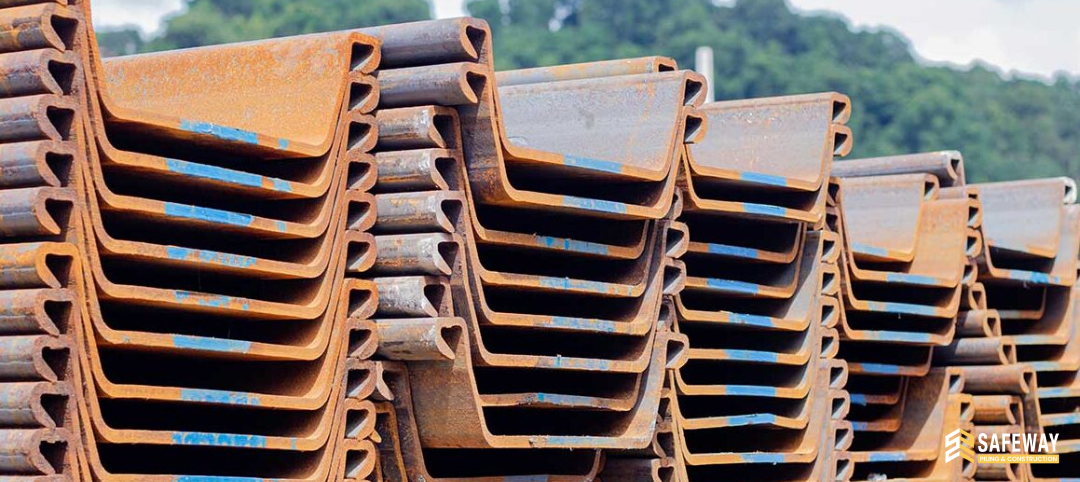
Sheet pile wall cost depends on material, installation, and site conditions—learn what drives prices to plan your project effectively. Sheet pile walls are commonly used in marine construction, excavation support, flood protection, and soil retention projects. Their cost can vary widely depending on multiple factors. Understanding these cost drivers is essential for accurate budgeting and project planning.
Key factors that influence sheet pile wall cost:
- Material Type – The choice of steel, vinyl, composite, or timber sheet piles greatly affects the price. Steel piles are the most common but also among the most expensive, while vinyl and timber options tend to be cheaper for light-duty projects.
- Wall Height and Depth – Taller walls require longer piles, more material, and often heavier equipment to install. The deeper the embedment required for stability, the higher the cost.
- Soil and Ground Conditions – Soil density, hardness, and the presence of rock or groundwater can influence the installation method and equipment required, directly impacting costs.
- Temporary vs. Permanent Design – Temporary sheet pile walls may use lighter materials and simpler installation, while permanent structures often need corrosion protection, coatings, or reinforced piles, which add to expenses.
- Location and Accessibility – Urban sites with limited space, remote marine areas, or projects requiring barge-mounted equipment can increase mobilization and labor costs.
How does sheet pile wall cost vary by material type?
Different materials have unique cost profiles:
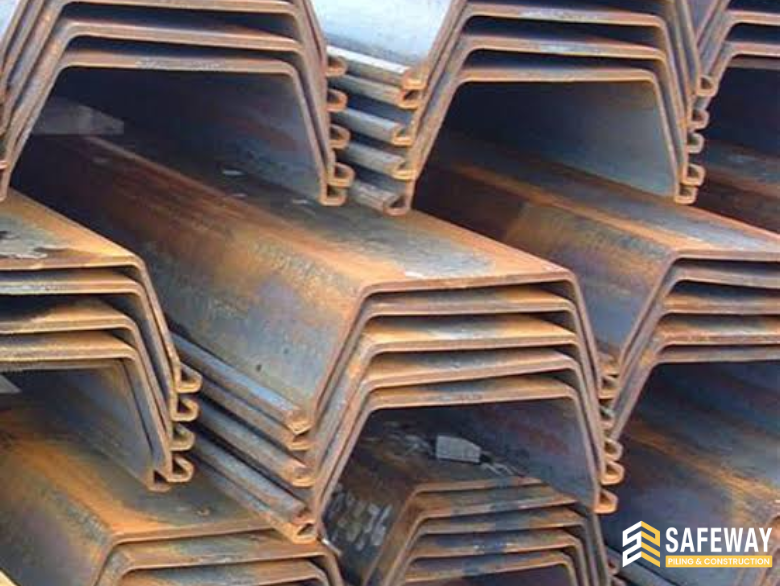
- Steel Sheet Piles – Strong, durable, and suitable for high-load applications. They are the most widely used but also the most costly, especially when corrosion protection is required.
- Vinyl (PVC) Sheet Piles – Lightweight, corrosion-resistant, and less expensive. Suitable for light retaining walls and shoreline protection, but not ideal for heavy structural loads.
- Composite Sheet Piles – Made of fiberglass or polymer blends, these are mid-range in cost. They provide good durability and corrosion resistance but can be pricier than vinyl.
- Timber Sheet Piles – Among the cheapest options, typically used for small-scale or temporary works. However, durability is limited, especially in water-exposed environments.
Safeway Piling and Construction helps clients choose the right material that balances durability, performance, and budget.
What is the average sheet pile wall cost per linear foot?
The average cost per linear foot depends on the material and project scale:
- Steel Sheet Piles: ৳6,960 – ৳13,920 per linear foot
- Vinyl Sheet Piles: ৳2,900 – ৳5,220 per linear foot
- Composite Sheet Piles: ৳4,640 – ৳8,120 per linear foot
- Timber Sheet Piles: ৳1,740 – ৳4,060 per linear foot
These estimates include material and basic installation but can rise significantly if the project requires deeper driving, difficult soil conditions, or specialized equipment. Safeway Piling and Construction provides project-specific cost assessments to ensure clients receive accurate and competitive pricing.
How does the sheet pile wall cost differ between temporary and permanent structures?
- Temporary Structures – Usually cheaper because they can use lighter sheet piles, minimal corrosion protection, and simplified installation methods. The focus is on functionality rather than long-term durability. In some cases, piles may even be extracted and reused, lowering overall lifecycle costs.
- Permanent Structures – Require more robust materials (often steel or composites), additional treatments like galvanization or epoxy coatings, and stricter engineering standards. These factors increase both material and installation expenses but ensure long service life.
What role does wall height play in determining sheet pile wall cost?
Wall height has a direct impact on cost because taller walls require the following:
- Longer sheet piles: Longer sections of steel or vinyl significantly increase material costs.
- Deeper embedment: Stability requires piles to be driven deeper, increasing equipment use and labor time.
- Stronger materials: Taller walls face higher lateral pressures, demanding thicker, higher-grade piles.
- More complex support systems: Tiebacks, anchors, or bracing may be necessary, further adding to costs.
As a general rule, doubling the wall height can more than double the total cost due to these compounded factors.
Influence of Soil Type on Overall Pricing
Soil type is one of the most important cost determinants:
- Soft or loose soils – Easier to drive piles, reducing equipment wear and labor hours. Costs are generally lower.
- Dense sands or clays – Require stronger installation equipment (vibratory or impact hammers), raising costs.
- Rocky conditions – Extremely challenging; may require pre-drilling or specialized techniques, significantly increasing expenses.
- Groundwater presence – Adds complexity, requiring dewatering, sealing, or corrosion-resistant materials, which raises costs further.
Safeway Piling and Construction conducts thorough soil investigations to determine the best installation method and minimize unnecessary expenses.
Extra Costs in Marine and Waterfront Applications
Sheet pile walls used in marine and waterfront environments are generally more expensive than those built on land. The increase in cost is primarily due to the harsh conditions and logistical challenges of working near or in water. Marine projects often require corrosion-resistant materials, such as galvanized or coated steel, or composite piles that can withstand saltwater exposure. Additionally, installation may need barge-mounted cranes or floating equipment, which adds to mobilization and labor expenses.
Waterfront projects also face stricter engineering standards since the walls must resist hydrostatic pressure, tidal movements, and wave impact. These additional design and safety requirements make marine sheet pile walls significantly more costly than land-based applications of similar size.
Effect of Installation Methods on Project Budget
The installation method is a critical factor influencing the overall cost of sheet pile walls. Several techniques are used, depending on soil type and project requirements:
- Vibratory Hammers – One of the most common methods, relatively cost-effective, and suitable for many soil conditions. However, it may cause noise and vibration issues in urban settings.
- Impact Hammers – More expensive due to the powerful equipment required, but essential for driving piles into dense soils or harder layers. This method increases costs but ensures greater stability.
- Hydraulic Pressing – A silent and vibration-free method often used in sensitive areas near existing structures. It is more expensive than a vibratory installation but may be necessary in urban or delicate environments.
- Pre-Drilling – Sometimes required in rocky soils or dense strata. While it facilitates installation, it adds significant costs due to extra equipment and labor.
In short, the harder and more complex the soil or environment, the higher the installation cost due to the need for advanced or specialized techniques. Safeway Piling and Construction selects the most cost-effective installation approach tailored to site conditions and project requirements.
Sheet Pile Walls vs. Concrete Retaining Walls: A Cost Comparison
Both sheet pile walls and concrete retaining walls are popular for soil retention and structural support, but their costs vary based on use case.
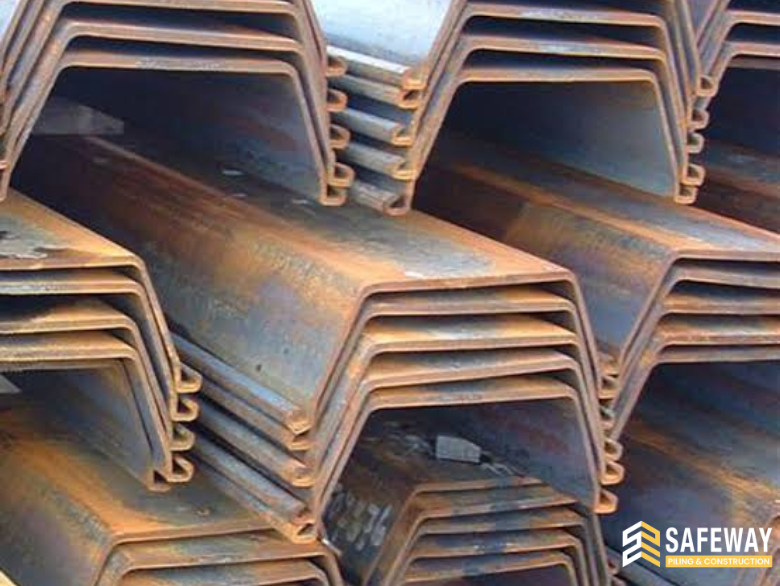
- Sheet Pile Walls: Typically range from ৳2,900 to ৳14,000 per linear foot, depending on material and site conditions. They are more cost-efficient for temporary structures, marine applications, and deep excavations because they can be installed quickly with less excavation and material use.
- Concrete Retaining Walls: Generally cost ৳4,600 to ৳17,300 per square foot, depending on thickness, reinforcement, and finishing. While concrete walls are durable and aesthetically versatile, they often require more excavation, formwork, and curing time, making them more expensive for deep or large-scale projects.
For waterfront and excavation projects, sheet piles are usually more economical, while concrete is preferred where aesthetics and permanent structural mass are prioritized.
Using Recycled Steel Piles to Reduce Expenses
Yes, using recycled steel piles can reduce overall costs, but the savings depend on availability and project specifications. Recycled steel sheet piles are often reclaimed from temporary works or surplus inventory. They are usually priced lower than brand-new piles and can still provide adequate strength for many applications.
However, there are trade-offs to consider. Recycled piles may have surface wear, reduced section modulus, or slight deformations from prior use. For temporary or small-scale projects, this may not be an issue, but for permanent marine structures requiring corrosion protection, new piles are typically favored. When suitable, recycled steel piles can provide cost savings of 10–30%, making them an attractive option for budget-conscious projects.
Safeway Piling and Construction offers both new and recycled steel pile options, helping clients find affordable solutions without compromising quality.
How Do Project Size and Scale Influence Overall Pricing?
The scale of a project has a direct effect on cost efficiency:
- Small Projects: Higher per-unit costs due to mobilization, equipment transport, and labor setup. Contractors often need to charge a premium since overhead is spread over fewer linear feet.
- Large Projects: Benefit from economies of scale. Bulk purchasing of sheet piles reduces material costs, and continuous installation improves labor efficiency. Equipment mobilization is also more cost-effective when spread across a large project.
For example, a small 100-foot wall may have a per-linear-foot cost at the higher end of the range, whereas a 1,000-foot wall may significantly reduce unit costs. However, large projects also demand greater upfront investment and complex logistics, so planning and coordination are key to maximizing savings.
Contact Safeway Piling and Construction for Professional Sheet Pile Services
Looking for a trusted contractor for your next sheet pile project? Safeway Piling and Construction provides complete sheet pile solutions for marine, commercial, industrial, and infrastructure projects. Whether you need a temporary sheet pile wall for excavation support or a permanent retaining structure, our experienced team is ready to deliver reliable, safe, and cost-effective services.
Our Sheet Pile Services
We provide a wide range of sheet pile services, including:
- Steel Sheet Pile Supply
- Sheet Pile Wall Installation
- Temporary Sheet Pile Walls
- Permanent Sheet Pile Walls
- Marine and Waterfront Sheet Piling
- Cofferdam Construction
- Excavation Support Systems
- Soil Retention Solutions
- Sheet Pile Design and Engineering Support
- Project Planning and Technical Consultation
Why Choose Safeway Piling and Construction?
Safeway Piling and Construction focuses on quality, safety, and customer satisfaction. Our skilled team uses modern equipment and proven installation methods to complete every project efficiently. We work closely with our clients to recommend the most suitable sheet pile solution based on site conditions, engineering requirements, and project budget.
When you choose Safeway Piling and Construction, you receive:
- Experienced sheet piling professionals
- High-quality sheet pile materials
- Modern installation equipment
- Competitive pricing
- Reliable project management
- On-time project completion
- Professional technical support
Conclusion
At Safeway Piling and Construction, we recognize that the cost of a sheet pile wall is influenced by several factors, including material type, installation method, soil conditions, wall height, and whether the structure is temporary or permanent. While costs can vary, sheet pile walls remain one of the most efficient and reliable solutions for marine, waterfront, and land-based construction projects. By combining expert planning, quality materials, and advanced installation techniques, Safeway Piling ensures that every project achieves the best balance of durability, safety, and cost-effectiveness.
Whether you are seeking a temporary solution or a permanent retaining structure, our team is committed to delivering value-driven sheet pile wall solutions that meet both technical requirements and budget expectations.
Frequently Asked Questions (FAQs)
1. What factors affect sheet pile wall cost?
Several factors affect sheet pile wall cost, including the material type, wall height, pile length, soil conditions, installation method, project location, and whether the wall is temporary or permanent. Additional requirements such as corrosion protection and special equipment can also increase the overall cost.
2. What is the average sheet pile wall cost?
The average sheet pile wall cost varies depending on the material used and the complexity of the project. Steel sheet piles generally cost more than vinyl, composite, or timber sheet piles because they provide higher strength and durability.
3. Does soil type increase sheet pile wall cost?
Yes. Soil conditions play an important role in determining sheet pile wall cost. Soft soil is easier to work with, while dense clay, rocky ground, and areas with high groundwater often require additional equipment and labor, increasing the overall cost.
4. Are steel sheet piles more expensive than other materials?
Yes. Steel sheet piles usually have a higher initial cost than vinyl, composite, or timber sheet piles. However, they offer excellent strength, durability, and a long service life, making them a cost-effective choice for many construction projects.
5. Is a temporary sheet pile wall cheaper than a permanent wall?
Yes. Temporary sheet pile walls generally cost less because they use lighter materials and require fewer protective treatments. Permanent sheet pile walls often include corrosion protection, stronger materials, and more detailed engineering, which increases the total project cost.