
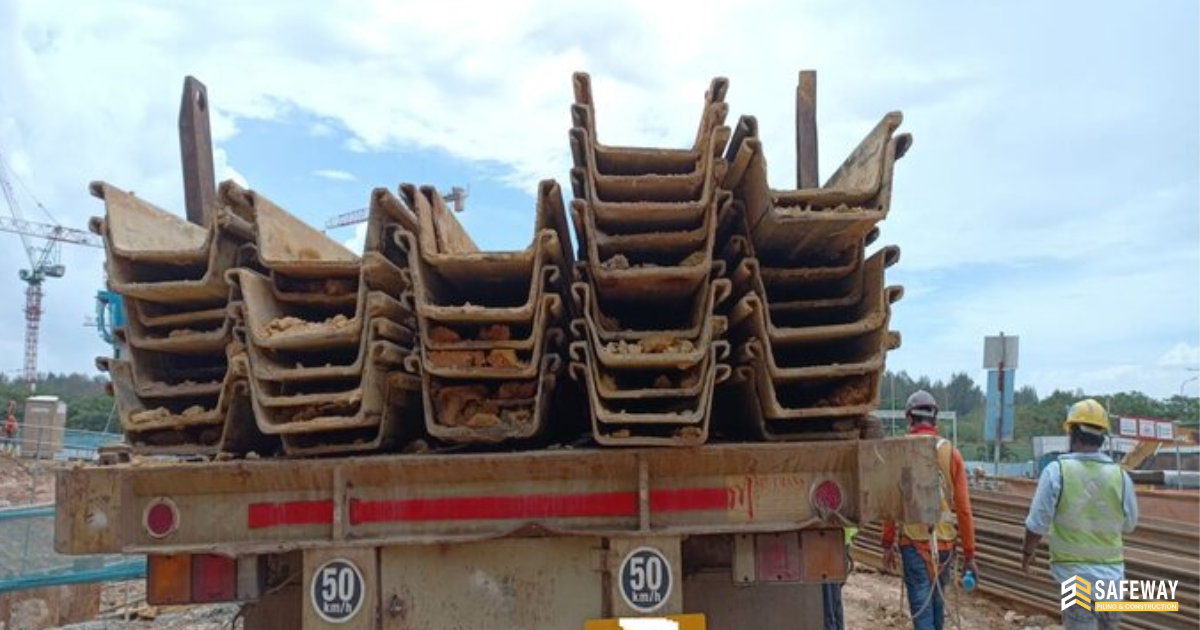
Sheet pile project planning is one of the most important steps before starting any construction project that requires excavation support or soil retention. Good planning helps engineers select the right sheet pile system, reduce construction risks, control project costs, and complete the work safely. Whether you are building a basement, bridge, retaining wall, cofferdam, or riverbank protection system, proper planning improves every stage of the project. It allows the construction team to prepare for site conditions, choose suitable materials, and organize equipment before work begins.
Safeway Piling & Construction provides professional sheet pile solutions for different types of construction projects. Our experienced engineers help clients plan every stage carefully to achieve safe and efficient results.
What Is Sheet Pile Project Planning?
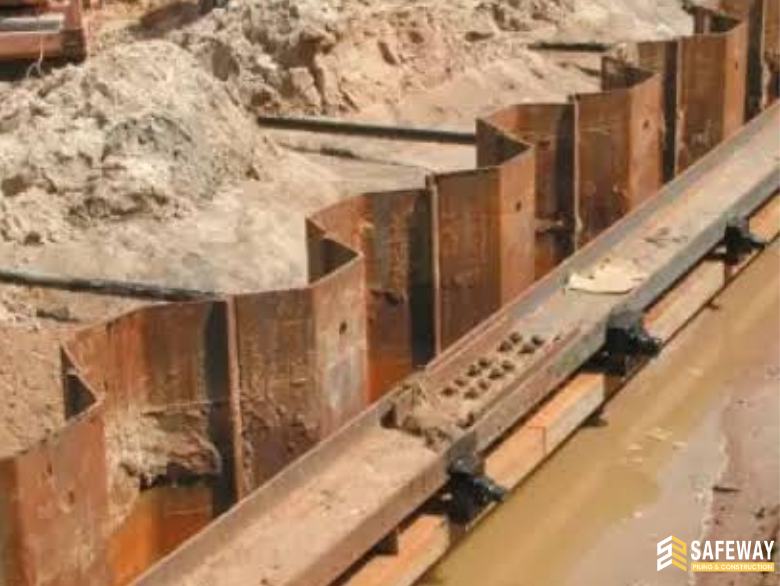
Sheet pile project planning is the process of preparing every stage of a sheet pile installation before construction begins. It includes studying the site, selecting the correct sheet pile type, estimating costs, arranging equipment, and developing a safe installation plan. Proper planning helps contractors reduce unexpected problems and complete projects within the planned schedule and budget.
Why Is Sheet Pile Project Planning Important?
Good planning provides many advantages for construction projects.
- Improves project safety
- Reduces construction delays
- Controls project costs
- Selects suitable sheet piles
- Increases construction efficiency
- Reduces environmental impact
- Improves project quality
- Helps meet project deadlines
Proper planning also helps engineers solve problems before construction starts, reducing costly changes later.
Step-by-Step Sheet Pile Project Planning Guide
- Define Project Objectives: The first step in sheet pile project planning is to clearly define the project objectives. Engineers identify the purpose of the sheet pile wall, project scope, and construction requirements. Clear objectives help the team choose the right design, materials, and installation method.
- Conduct a Site Investigation: A detailed site investigation provides valuable information about the construction area. Engineers examine the site to understand soil conditions, groundwater levels, and nearby structures. This information helps reduce risks and supports accurate project planning.
- Analyze Soil Conditions: Soil conditions play an important role in the performance of a sheet pile wall. Engineers evaluate soil strength, stability, and bearing capacity before selecting the appropriate sheet pile system. Proper soil analysis improves safety and long-term performance.
- Select the Right Sheet Pile Type: Different construction projects require different sheet pile systems. Engineers choose the most suitable type based on the site conditions, structural requirements, and project budget. The correct selection improves durability, stability, and installation efficiency.
- Calculate Design Requirements: Accurate engineering calculations ensure the sheet pile wall performs safely under different loading conditions. Engineers calculate the required dimensions, depth, and structural strength before installation begins. Proper design reduces construction risks.
- Prepare the Project Budget: Budget planning helps control construction costs from the beginning of the project. Engineers estimate material, labor, transportation, equipment, and installation expenses to avoid unexpected costs. A realistic budget supports smooth project execution.
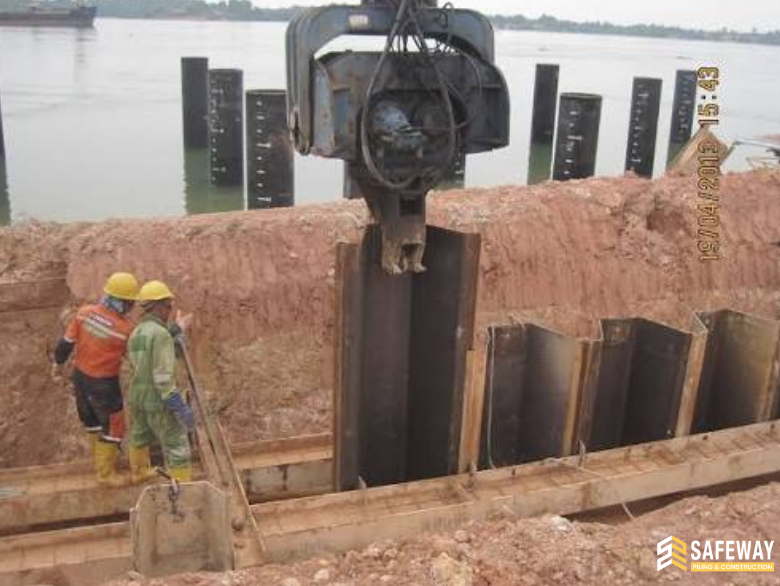
- Select Installation Equipment: Using the right installation equipment improves construction quality and project efficiency. The equipment selection depends on soil conditions, project size, and installation method. Proper equipment also helps reduce construction time.
- Develop a Construction Schedule: A well-planned construction schedule helps organize every stage of the project. It ensures materials, equipment, and workers are available at the right time. Proper scheduling reduces delays and keeps the project on track.
- Prepare Safety Measures: Safety planning protects workers, nearby structures, and the construction site throughout the project. Engineers develop safety procedures before installation begins to reduce accidents and ensure compliance with project requirements.
- Monitor the Installation Process: Project planning continues even after installation begins. Engineers monitor the sheet pile installation to ensure it follows the approved design and quality standards. Regular inspections help identify and solve issues before they become major problems.
Factors That Affect Sheet Pile Project Planning
Several factors influence the planning process.
- Soil Condition: Different soil types require different installation methods and sheet pile sections. Proper soil analysis improves project safety and performance.
- Groundwater Level: High groundwater levels increase water pressure during excavation. Engineers include proper drainage and waterproofing in the project plan.
- Project Size: Large construction projects require more equipment, workers, and planning. Smaller projects often need fewer resources and shorter schedules.
- Environmental Conditions: Weather, nearby rivers, and surrounding buildings affect construction planning. Engineers prepare solutions to reduce environmental risks.
- Budget: The available budget influences material selection, equipment choice, and construction methods. Proper planning helps avoid unnecessary expenses.
Common Mistakes to Avoid
Avoiding common mistakes helps improve project safety, reduce costs, and ensure smooth construction. Careful planning at every stage increases the chances of project success.
- Skipping Soil Investigation: Failing to inspect the soil before construction can lead to unexpected ground problems. A proper soil investigation helps engineers choose the right sheet pile and installation method.
- Choosing the Wrong Sheet Pile: Using the wrong type or size of sheet pile can reduce wall stability and affect project safety. Always select sheet piles based on soil conditions, load requirements, and project design.
- Poor Budget Planning: An inaccurate budget may result in material shortages, project delays, or unexpected expenses. Careful cost planning helps keep the project within budget from start to finish.
- Ignoring Safety Requirements: Ignoring safety procedures increases the risk of accidents and damage to nearby structures. Following proper safety standards protects workers and ensures smooth project execution.
- Poor Project Scheduling: A weak project schedule can delay material delivery, equipment availability, and installation work. A well-planned timeline helps complete the project on time and improves overall efficiency.
Benefits of Proper Sheet Pile Project Planning
Proper planning offers many long-term advantages.
- Improves construction quality
- Reduces project risks
- Saves construction time
- Controls overall costs
- Improves worker safety
- Reduces equipment downtime
- Supports better decision-making
- Increases project efficiency
- Protects nearby structures
- Ensures successful project completion
Why Choose Safeway Piling & Construction?
Safeway Piling & Construction provides reliable sheet pile solutions for residential, commercial, industrial, and infrastructure projects. Our experienced engineers carefully plan every project to deliver safe, efficient, and cost-effective construction solutions.
Why clients choose us:
- Experienced engineering team
- High-quality steel sheet piles
- Modern installation equipment
- Professional project planning
- Competitive pricing
- Reliable technical support
- On-time project delivery
- Strong commitment to safety
Contact Safeway Piling & Construction
Planning a sheet pile project? Let our experienced team help you choose the right solution for your construction needs.
Phone: +880 1711-869459
Website: https://safewaypiling.com
Conclusion
Proper sheet pile project planning is the foundation of a successful construction project. Careful planning helps engineers select the right materials, control costs, improve safety, and complete projects on time. By following each planning step, contractors can reduce risks and achieve better construction results.
Safeway Piling & Construction provides professional planning, quality sheet pile solutions, and experienced engineering support for projects of every size. Our team is ready to help you complete your next project safely and efficiently.
Frequently Asked Questions
1. What is sheet pile project planning?
Sheet pile project planning is the process of preparing the design, materials, equipment, budget, and installation plan before construction begins.
2. Why is sheet pile project planning important?
It improves safety, reduces project delays, controls costs, and helps ensure successful installation.
3. What information is needed before planning a sheet pile project?
Engineers need information about soil conditions, groundwater levels, excavation depth, project size, and construction requirements.
4. What equipment is commonly used for sheet pile installation?
Common equipment includes vibratory hammers, hydraulic hammers, cranes, excavators, and lifting equipment.
5. Why choose Safeway Piling & Construction?
Safeway Piling & Construction offers experienced engineers, quality sheet piles, modern equipment, competitive pricing, and reliable project support.