
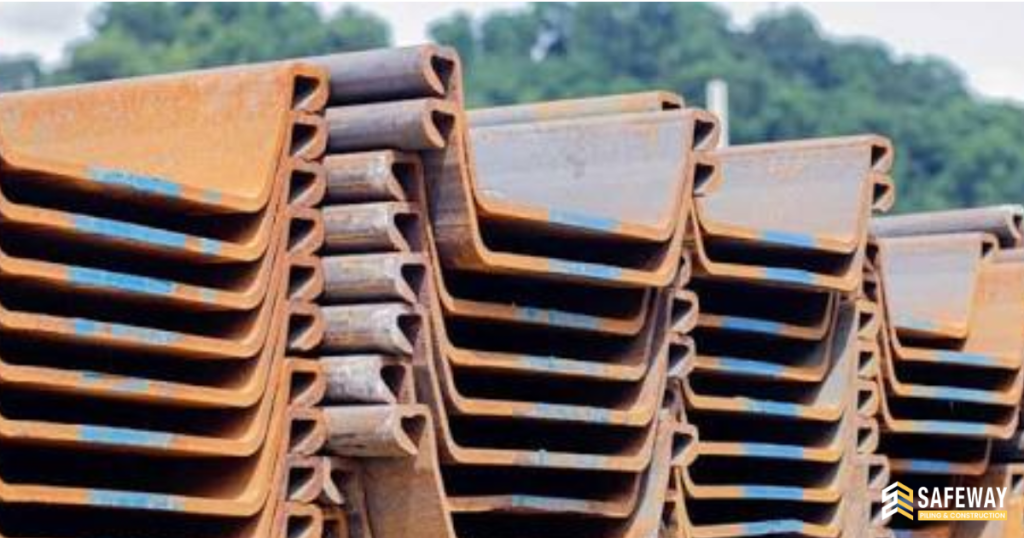
Sheet pile soil conditions play an important role in every sheet pile construction project. Before installing sheet piles, engineers must understand the soil type, soil strength, groundwater level, and site conditions. These factors help determine the right sheet pile type, installation method, and project design.
Safeway Piling & Construction provides professional sheet pile solutions for residential, commercial, industrial, and infrastructure projects. Our experienced engineers evaluate site conditions carefully and recommend the best sheet pile system for every project.
What Are Sheet Pile Soil Conditions?
Sheet pile soil conditions refer to the type, strength, and properties of the ground where sheet piles will be installed. Engineers study these conditions before construction to ensure the sheet pile wall can safely support soil and water pressure.
A proper soil investigation helps engineers select the right sheet pile type, determine the required installation depth, and choose the most suitable installation equipment. This reduces construction risks and improves project performance.
Why Are Sheet Pile Soil Conditions Important?
Understanding soil conditions before construction provides many benefits. Proper soil analysis helps engineers design stronger and safer sheet pile structures.
Benefits include:
- Improves project safety
- Selects the correct sheet pile type
- Reduces construction risks
- Improves wall stability
- Controls project costs
- Prevents soil movement
- Supports safe excavation
- Improves long-term performance
Good soil analysis also helps avoid unexpected problems during installation and reduces expensive project changes.
Common Types of Sheet Pile Soil Conditions
Different soil types require different sheet pile solutions. Engineers evaluate each soil condition before selecting the proper sheet pile system.
- Clay Soil: Clay soil contains a high amount of moisture and holds water for a long time. It is soft, cohesive, and drains water slowly, which can make excavation more challenging. However, it provides good support when designed correctly. Engineers often use strong steel sheet piles in clay soil to improve stability, prevent soil movement, and ensure safe construction.
- Gravel Soil: Gravel soil has excellent drainage and a high bearing capacity, making it suitable for supporting heavy structures. However, its hard ground conditions can make sheet pile installation more difficult. Engineers often use powerful installation equipment to drive sheet piles through gravel safely and efficiently while maintaining project stability.
- Silt Soil: Silt soil contains fine particles and has moderate strength, but it becomes weak when exposed to water. It also has poor drainage, which can affect excavation stability. Engineers carefully assess groundwater conditions and use suitable sheet pile systems to provide proper support and ensure safe construction.
- Rocky Ground: Rocky ground offers excellent stability and a high bearing capacity, making it suitable for heavy construction projects. However, installing sheet piles in rocky soil can be challenging because of the hard ground. Engineers often use special drilling methods and heavy equipment to complete the installation safely and efficiently.
Step-by-Step Guide to Selecting Sheet Piles Based on Soil Conditions
1. Conduct a Soil Investigation
A detailed soil investigation is the first step in selecting the right sheet pile system. Engineers examine the ground to understand its strength, moisture content, and overall condition before construction begins. This information helps ensure safe design, proper installation, and better project performance.
- Soil testing
- Groundwater assessment
- Soil strength analysis
- Site measurements
- Bearing capacity evaluation
2. Identify the Soil Type
After completing the investigation, engineers identify the type of soil at the project site. Different soils require different sheet pile designs and installation methods to ensure safe and efficient construction.
Common soil types
- Clay
- Sand
- Gravel
- Silt
- Rock
3. Measure Groundwater Level
Groundwater has a direct impact on sheet pile performance and installation. Engineers measure the water level to determine the amount of water pressure acting on the sheet pile wall and select suitable construction methods.
Groundwater assessment includes
- Water table depth
- Water pressure
- Drainage conditions
- Seasonal water changes
- Site moisture level
4. Select the Right Sheet Pile Type
Choosing the correct sheet pile is essential for project safety and long-term performance. Engineers compare soil conditions, wall height, load requirements, and project budget before making the final selection.
Selection factors
- Soil condition
- Excavation depth
- Water pressure
- Load requirements
- Project budget
5. Choose the Best Installation Method
The installation method depends on the soil type and project requirements. Using the right equipment improves installation quality, reduces ground vibration, and helps complete the project efficiently.
Common installation methods
- Vibratory hammer
- Hydraulic hammer
- Press-in method
- Excavator assistance
- Crane lifting
6. Calculate Load Requirements
Engineers calculate the expected soil and structural loads before installing sheet piles. Accurate calculations help ensure the sheet pile wall remains stable and performs safely throughout the project.
Load calculations include
- Soil pressure
- Water pressure
- Structural load
- Traffic load
- Safety factor
7. Check Excavation Depth
The depth of excavation affects the length and strength of the sheet piles. Engineers determine the required depth to provide proper support and prevent soil collapse during construction.
Excavation considerations
- Excavation depth
- Wall height
- Ground stability
- Water level
- Safety requirements
8. Review Environmental Conditions
Environmental conditions can affect sheet pile installation and long-term performance. Engineers evaluate weather, nearby structures, and surrounding areas before construction begins.
Environmental factors
- Weather conditions
- Nearby buildings
- Rivers or canals
- Ground vibration
- Noise control
9. Prepare Safety Measures
Safety planning is an important part of every sheet pile project. Engineers prepare safety procedures to protect workers, nearby structures, and the construction site throughout the installation process.
Safety measures include
- Worker training
- Personal protective equipment
- Site barriers
- Emergency procedures
- Daily inspections
10. Monitor the Installation Process
Engineers continue monitoring after installation begins to ensure the sheet piles meet the project requirements. Regular inspections help maintain quality and identify any issues before they become serious.
Monitoring includes
- Vertical alignment
- Installation depth
- Equipment performance
- Quality inspections
- Safety monitoring
Common Challenges in Different Soil Conditions
Different soil conditions can create challenges during sheet pile installation. Understanding these problems helps engineers choose the right solution before construction begins.
- Soft Clay Soil: Soft clay may move during excavation and reduce wall stability. Engineers often use longer sheet piles and careful installation methods to improve safety.
- Loose Sandy Soil: Loose sand can collapse quickly during excavation. Proper sheet pile installation helps stabilize the ground and protect nearby structures.
- High Groundwater Level: High groundwater increases water pressure on the sheet pile wall. Engineers may use dewatering systems or stronger sheet piles to improve performance.
- Hard Gravel or Rock: Gravel and rocky ground make sheet pile installation more difficult. Special driving equipment or pre-drilling may be required to complete the work safely.
- Mixed Soil Conditions: Some construction sites contain different soil types in one location. Engineers perform detailed soil investigations to select the most suitable sheet pile system.
Best Practices for Selecting Sheet Piles
Following the right practices improves construction quality and project safety.
- Perform a Detailed Soil Investigation: Always complete a soil investigation before starting the project. Accurate site information helps engineers choose the correct sheet pile type and installation method.
- Use High-Quality Sheet Piles: Choose durable steel sheet piles that meet engineering standards. High-quality materials improve strength, stability, and long-term performance.
- Select the Right Installation Equipment: Use installation equipment that matches the soil condition. Proper equipment improves efficiency and reduces damage to the surrounding area.
- Follow Engineering Standards: Every sheet pile project should follow approved engineering designs and safety guidelines. This helps maintain quality and reduces construction risks.
- Monitor the Project Regularly: Regular inspections help ensure the sheet piles remain properly aligned and installed. Continuous monitoring also helps solve problems before they affect the project.
Benefits of Proper Sheet Pile Soil Assessment
Proper soil assessment provides many advantages for construction projects.
- Improves Project Safety: Accurate soil information helps engineers design stable sheet pile walls. This reduces the risk of soil collapse and protects workers during construction.
- Reduces Construction Costs: Selecting the correct sheet pile from the beginning helps avoid unnecessary material and equipment costs. It also reduces expensive project changes.
- Improves Installation Efficiency: Understanding soil conditions allows engineers to choose the best installation method. This helps complete the project faster and with fewer delays.
- Increases Wall Stability: The correct sheet pile design provides better resistance to soil and water pressure. This improves the strength and durability of the structure.
- Supports Long-Term Performance: Proper planning and soil analysis help sheet pile walls perform well for many years. This reduces maintenance needs and improves the overall value of the project.
Why Choose Safeway Piling & Construction?
Safeway Piling & Construction provides reliable sheet pile solutions for projects across residential, commercial, industrial, and infrastructure sectors. Our experienced engineers carefully assess soil conditions before recommending the best sheet pile system for your project.
Why clients choose us:
- Experienced engineering team
- High-quality steel sheet piles
- Modern installation equipment
- Professional soil assessment
- Competitive pricing
- On-time project delivery
- Reliable technical support
- Safe construction practices
Contact Safeway Piling & Construction
Need expert advice on sheet-pile soil conditions? Contact Safeway Piling & Construction for professional guidance and reliable sheet pile solutions.
Phone: +880 1711-869459
Website: https://safewaypiling.com
Conclusion
Understanding Sheet Pile Soil Conditions is essential for safe and successful construction. Proper soil investigation, correct sheet pile selection, and professional installation help improve safety, control costs, and increase project efficiency. Every project has unique ground conditions, so careful planning is always important.
Safeway Piling & Construction offers professional sheet pile services backed by experienced engineers, quality materials, and modern equipment. We help clients choose the right solution for every soil condition and construction project.
Frequently Asked Questions
- What are sheet pile soil conditions?
Sheet pile soil conditions refer to the type, strength, and properties of the ground where sheet piles will be installed. These conditions affect the design and installation process.
- Why is soil investigation important before installing sheet piles?
A soil investigation helps engineers understand ground conditions, select the right sheet pile type, and reduce construction risks.
- Which soil type is best for sheet pile installation?
Sheet piles can be installed in clay, sand, gravel, silt, and mixed soils. The best solution depends on the specific site conditions and project requirements.
- How do groundwater levels affect sheet pile projects?
High groundwater levels increase water pressure on the sheet pile wall. Engineers consider groundwater conditions when designing and installing sheet piles.