
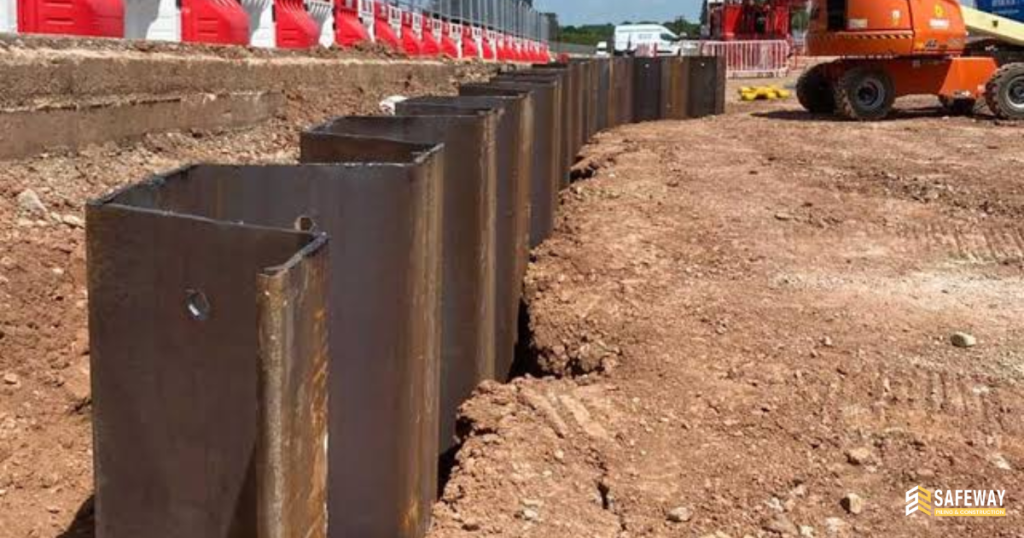
Sheet pile installation cost is one of the first things every project owner should understand before starting a construction project. Whether you are building a basement, retaining wall, bridge foundation, riverbank protection system, or marine structure, knowing the installation cost helps you prepare a better budget and avoid unexpected expenses. Choosing an experienced contractor is also important. A professional team selects the right installation method, uses modern equipment, and completes the work safely and efficiently. This reduces delays, prevents costly mistakes, and improves the quality of the finished project.
In this guide, you will learn everything about Sheet Pile Installation Cost in Bangladesh, the factors that affect pricing, and how you can reduce your overall construction cost while maintaining high quality.
What is Sheet Pile Installation Cost, and why is it important?
Sheet pile installation cost is the total amount required to install sheet piles into the ground. It includes the cost of site preparation, labor, equipment, transportation, installation, alignment, and project completion.
Sheet piles create a continuous barrier that supports soil and controls groundwater during construction. They are widely used for retaining walls, excavation support, flood protection, seawalls, and cofferdams. Proper installation improves safety and prevents soil movement and water seepage during construction. Understanding the installation cost is important because it helps project owners make better financial decisions before construction begins.
Benefits of Understanding the Sheet Pile Installation Cost
- Helps prepare an accurate construction budget.
- Reduces unexpected project expenses.
- Supports better planning and scheduling.
- Helps choose the right installation method.
- Improves project safety and efficiency.
- Reduces future repair and maintenance costs.
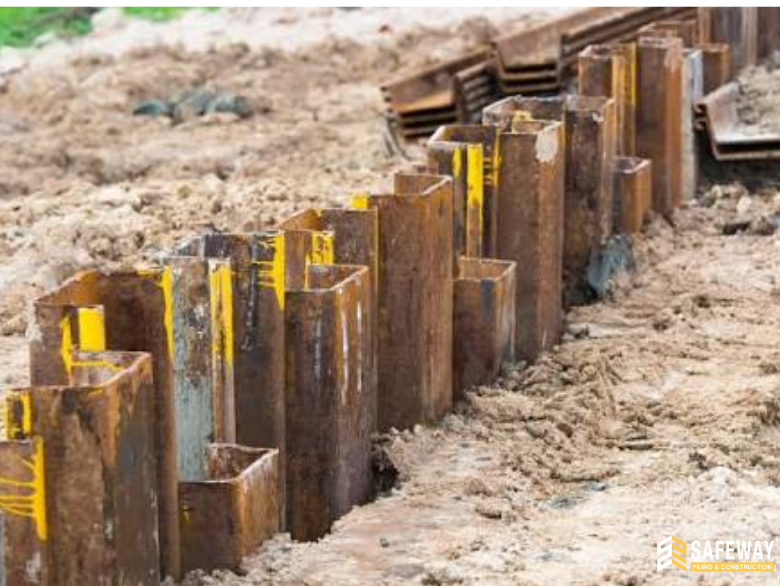
What factors affect the sheet pile installation cost in Bangladesh?
Several factors affect Sheet Pile Installation Cost in Bangladesh. Contractors carefully evaluate the project site before preparing a quotation because every construction project has different requirements. A small project on soft soil may cost less than a large project on hard or rocky ground. The right planning and proper equipment also play an important role in controlling the total installation cost.
Below are the main factors that affect the overall cost of sheet pile installation.
- Soil Condition: Soil condition is one of the biggest factors that affects the installation cost. Soft and sandy soil allows sheet piles to enter the ground more easily. This reduces installation time and lowers equipment and labor costs. Hard clay, dense soil, or rocky ground requires more powerful equipment and longer working hours, which increases the overall project cost.
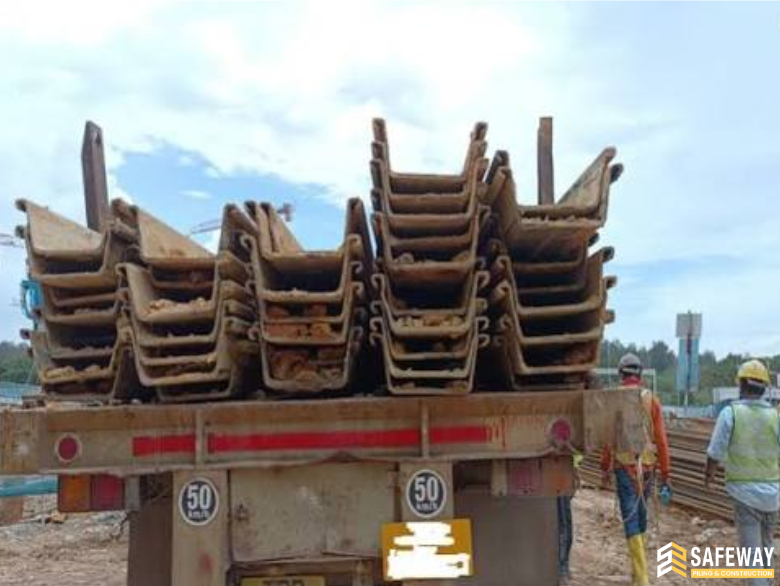
- Type of Sheet Pile: Different types of sheet piles have different installation requirements. Steel sheet piles are the most common choice because they provide high strength and long service life. Vinyl and composite sheet piles are suitable for lighter applications but may not be appropriate for heavy construction projects. The weight, thickness, and length of the sheet pile also affect lifting, transportation, and installation costs.
- Sheet Pile Length and Size: Longer and larger sheet piles require bigger cranes and stronger driving equipment. Large sheet piles also take more time to position correctly and install safely. As the pile size increases, equipment costs, labor costs, and fuel consumption also increase. Selecting the correct pile size helps control unnecessary project expenses while maintaining structural stability.
- Installation Method: The installation method has a direct impact on the total project cost. Different soil conditions require different installation techniques. Contractors select the most suitable method after evaluating the project site, soil condition, and construction requirements. Common methods include vibratory hammer installation, impact driving, hydraulic press-in systems, and water jetting. Some methods complete the work quickly, while others require additional equipment and longer working hours. Choosing the right method improves efficiency and helps reduce unnecessary costs.
- Equipment Requirement: Modern equipment improves installation quality and reduces project time. Common equipment used for sheet pile installation includes:
- Vibratory hammers
- Impact hammers
- Hydraulic press-in machines
- Cranes
- Excavators
- Water jetting systems
- Project Size: Project size also affects the installation cost. Large construction projects often have a lower installation cost per meter because equipment and labor work continuously over a longer period. Small projects usually have a higher installation cost because transportation, setup, and mobilization expenses remain almost the same regardless of project size.
- Project Location: The location of the construction site influences transportation and equipment costs. Projects in busy urban areas may require special traffic management and noise control measures. Remote locations may increase transportation costs for equipment, materials, and workers. Easy site access helps reduce installation time and overall project expenses.
- Labor Cost: Experienced operators and skilled workers play an important role in successful sheet pile installation. Professional teams complete the work safely, maintain proper alignment, and reduce installation mistakes. Although skilled labor may cost more, it often saves money by preventing delays and expensive repairs.
- Project Duration: The length of the project also affects the total installation cost. Small sheet pile projects may finish within a few days, while larger retaining wall, cofferdam, or marine projects may continue for several weeks or months depending on site conditions and project requirements. Efficient planning and equipment selection help reduce the project duration.
How do soil conditions affect sheet pile installation cost?
Soil condition is one of the most important factors that affect sheet pile installation cost. Before starting any sheet piling project, engineers perform a soil investigation to understand the ground condition. The soil report helps them choose the best installation method, equipment, and sheet pile size. Making the right decision at this stage helps reduce unnecessary expenses and improves construction safety. Different soil types require different installation methods. Some soils allow quick installation, while others require more time, stronger equipment, and additional labor. As a result, the installation cost changes from one project to another.
Sandy Soil: Sandy soil is loose and offers less resistance during installation. Contractors often use the vibratory hammer method because it allows sheet piles to enter the ground quickly and efficiently. Water jetting can also help loosen the surrounding sand and reduce driving resistance. These methods improve installation speed and help lower labor and equipment costs.
Clay Soil: Clay soil is denser than sandy soil and creates more resistance during installation. Contractors may need more powerful equipment and additional working time to drive the sheet piles to the required depth. Although installation in clay soil may take longer, experienced contractors can complete the work safely by selecting the correct equipment and installation method.
Gravel Soil: Gravel soil contains stones and coarse particles that increase driving resistance. Sheet piles may not penetrate the ground easily, so contractors often need stronger impact hammers or other specialized equipment.The additional equipment and longer installation time increase the overall project cost.
Rocky Soil: Rocky soil is one of the most challenging ground conditions for sheet pile installation. Contractors may need pre-drilling or other special construction techniques before installing the sheet piles. These additional activities increase labor, equipment, and fuel costs. Projects in rocky areas usually require more planning and experienced operators to complete the work successfully.
Soft Soil: Soft soil allows easy penetration of sheet piles and reduces installation time. Although installation is generally faster, engineers must carefully design the sheet pile wall because soft ground may have a lower load-bearing capacity. Proper planning helps maintain stability and long-term performance.
Why is a Soil Investigation Important?
A professional soil investigation provides valuable information before construction begins. It helps engineers:
- Select the best sheet pile installation method.
- Choose the correct sheet pile length and size.
- Estimate the project cost more accurately.
- Reduce construction delays.
- Improve worker safety.
- Avoid unexpected ground problems.
- Increase the overall quality of the project.
How Does the Right Soil Assessment Reduce Installation Cost?
Choosing the correct installation method after studying the soil condition helps contractors complete the work more efficiently. Some important benefits include:
- Faster installation with less equipment time.
- Lower fuel consumption.
- Reduced labor costs.
- Better sheet pile alignment.
- Fewer construction delays.
- Lower maintenance and repair costs.
How does the sheet pile installation method affect the total cost?
The sheet pile installation method has a direct impact on the overall Sheet Pile Installation Cost. Every construction project has different soil conditions, project requirements, and environmental limitations. For this reason, engineers select the most suitable installation method after carefully evaluating the construction site. Several installation methods are commonly used in Bangladesh, and each method has different cost advantages.
Vibratory Hammer Method: The vibratory hammer method is the most commonly used sheet pile installation technique. The hammer creates vertical vibrations that reduce the friction between the sheet pile and the surrounding soil. This allows the sheet pile to move into the ground quickly and efficiently. The method works especially well in sandy and loose soil conditions.
Impact Driving Method: The impact driving method uses a hydraulic or diesel hammer to strike the top of the sheet pile until it reaches the required depth. This method is suitable for hard soil where vibratory hammers may not perform effectively.
Hydraulic Press-in Method: The hydraulic press-in method pushes sheet piles into the ground using hydraulic pressure instead of repeated hammering. This method produces very little noise and vibration, making it suitable for projects near residential buildings, hospitals, schools, and commercial areas.
Water Jetting Method: The water jetting method uses high-pressure water to loosen the soil around the sheet pile tip. This reduces soil resistance and allows the sheet pile to reach the required depth more easily. Contractors often use this method in sandy soil and sometimes combine it with vibratory hammer installation for better performance.
Combination Installation Methods: Some construction projects require more than one installation method. Contractors may combine vibratory driving, water jetting, or hydraulic pressing to achieve the best results for difficult soil conditions. Using a combination method may increase equipment costs, but it often reduces construction risks and helps complete challenging projects successfully.
Why Choosing the Right Installation Method Saves Money
Selecting the correct installation method offers many financial and technical benefits.
Faster Project Completion: The right method reduces installation time and allows contractors to finish the project more quickly.
Lower Equipment Cost: Efficient installation reduces machine operating hours, fuel consumption, and maintenance costs.
Reduced Labor Cost: Shorter installation time means workers spend fewer hours on site, reducing labor expenses.
Better Sheet Pile Alignment: The correct installation method helps maintain proper alignment and reduces the need for costly corrections. Proper alignment improves wall performance and minimizes rework.
Improved Safety: The right installation technique creates a safer construction environment and reduces the risk of accidents, equipment damage, and project delays. Following proper safety practices during installation also protects workers and equipment.
Which Installation Method Is the Most Cost Effective?
There is no single installation method that suits every project. The most cost-effective method depends on:
- Soil condition.
- Project size.
- Installation depth.
- Environmental requirements.
- Construction schedule.
- Available equipment.
How does the type of sheet pile affect the installation cost?
The type of sheet pile plays an important role in determining the overall sheet pile installation cost. Every sheet pile has different strength, weight, size, and installation requirements. Engineers select the most suitable type after evaluating the soil condition, project purpose, and structural requirements. Below are the most common types of sheet piles used in construction projects.
-
Steel Sheet Piles
Steel sheet piles are the most popular choice for heavy construction projects in Bangladesh. They provide excellent strength, durability, and long service life. Their interlocking design creates a strong wall that controls soil movement and water seepage, making them suitable for retaining walls, excavation support, marine structures, and cofferdams.
Advantages
- High structural strength.
- Long service life.
- Suitable for deep excavations.
- Excellent water resistance.
- Can be removed and reused in temporary projects.
- Vinyl Sheet Piles
Vinyl sheet piles are lightweight and resistant to corrosion. They are commonly used in light-duty construction projects where heavy structural loads are not required.
These sheet piles are easier to transport and install because of their lower weight. Smaller equipment can often complete the installation, which helps reduce labor and equipment expenses.
Advantages
- Lightweight construction.
- Easy transportation.
- Good corrosion resistance.
- Lower equipment requirement.
- Lower maintenance cost.
-
Composite Sheet Piles
Composite sheet piles combine different materials to provide good durability and corrosion resistance. They are often selected for projects in coastal and marine environments where protection against moisture is important.
Although composite sheet piles may have a higher material cost, they require less maintenance throughout their service life.
Advantages
- Excellent corrosion resistance.
- Long service life.
- Low maintenance.
- Suitable for waterfront projects.
- Good environmental performance.
How Does Sheet Pile Size Affect Installation Cost?
The dimensions of the sheet pile also influence the overall sheet pile installation cost.
Larger sheet piles require:
- Bigger cranes.
- Stronger lifting equipment.
- More powerful installation machines.
- Additional transportation.
- More skilled operators.
These requirements increase installation expenses. Smaller sheet piles are easier to handle and install. They often reduce equipment operating time and labor costs. However, engineers must always select a size that provides enough strength for the project. Choosing a smaller sheet pile simply to reduce cost can affect the safety and stability of the structure.
Why Choosing the Right Sheet Pile Type Saves Money
Selecting the correct sheet pile offers several long-term benefits.
- Reduces Installation Time: The right sheet pile matches the selected installation method and soil condition. This helps contractors complete the work faster.
- Lowers Equipment Costs: Properly selected sheet piles require suitable equipment, reducing unnecessary machine use and fuel consumption.
- Improves Construction Safety: Strong and properly installed sheet piles provide reliable excavation support and reduce construction risks.
- Reduces Maintenance Costs: Durable sheet piles require fewer repairs during their service life, reducing future maintenance expenses.
- Increases Project Efficiency: The correct sheet pile improves installation quality, maintains proper alignment, and supports faster project completion.
How Do Engineers Select the Right Sheet Pile?
Professional engineers consider several factors before selecting the sheet pile type. They evaluate:
- Soil condition.
- Excavation depth.
- Groundwater level.
- Project size.
- Structural load.
- Environmental conditions.
- Project budget.
- Installation method.
After reviewing these factors, they recommend the most suitable sheet pile for the project. Choosing the correct sheet pile helps control the overall sheet pile installation cost, improves structural performance, and ensures the project remains safe, efficient, and cost-effective from start to finish.
How Does Equipment Selection Affect Sheet Pile Installation Cost?
Choosing the right equipment helps contractors control the overall sheet-pile installation cost.
Modern equipment can complete installation more efficiently, while unsuitable machines may increase fuel consumption, labor hours, and maintenance expenses. Proper equipment selection offers several benefits.
- Reduces Project Duration: Efficient machines complete the installation faster, reducing equipment rental and labor costs.
- Improves Installation Quality: Modern equipment helps maintain proper sheet pile alignment and installation depth. Proper alignment improves wall performance and reduces the need for costly corrections.
- Lowers Labor Cost: Fast equipment allows workers to complete more work in less time, reducing total labor expenses.
- Improves Site Safety: Well-maintained machines and trained operators reduce construction risks and create a safer working environment. Regular equipment inspection and proper safety procedures are important parts of every sheet pile installation project.
- Reduces Future Maintenance Costs: Accurate installation using the right equipment creates a stronger and more durable sheet pile wall. This reduces future repair and maintenance expenses.
How can you reduce the sheet pile installation cost?
Reducing sheet pile installation cost does not mean reducing construction quality. Good planning and the right contractor help control expenses while maintaining safety and performance.
- Conduct a Soil Investigation: A detailed soil investigation helps engineers choose the most suitable installation method and equipment before work begins.
- Choose the Right Installation Method: Selecting the correct installation method based on soil conditions improves efficiency and reduces equipment operating time.
- Use Experienced Contractors: Experienced contractors complete projects faster, maintain proper sheet pile alignment, and reduce costly mistakes.
- Select the Correct Equipment: Using modern and well-maintained equipment improves productivity and reduces breakdowns during construction.
- Plan the Project Properly: A well-planned construction schedule reduces idle equipment time and improves labor productivity.
- Maintain Safety Standards: Following proper safety procedures reduces accidents, equipment damage, and unexpected project delays. Safe lifting practices, equipment inspections, and trained workers contribute to efficient project execution.
Why choose Safeway Piling & Construction for Sheet Pile Installation?
Safeway Piling & Construction provides professional sheet pile installation services for residential, commercial, industrial, marine, and infrastructure projects across Bangladesh. Our experienced engineers evaluate every project carefully before recommending the best installation method. We use modern equipment, skilled operators, and proven construction techniques to deliver safe, efficient, and cost-effective solutions.
Why clients choose Safeway Piling & Construction:
- Experienced engineering team.
- Modern installation equipment.
- Accurate project planning.
- Safe construction practices.
- High-quality workmanship.
- Competitive pricing.
- On-time project completion.
- Reliable customer support.
We focus on delivering strong and durable sheet pile solutions while helping our clients control their overall sheet pile installation cost.
Get a Free Quotation for Sheet Pile Installation
Are you planning a retaining wall, basement excavation, bridge foundation, or marine construction project?
Safeway Piling & Construction is ready to provide professional sheet pile installation services that match your project requirements and budget. Our team will assess your site, recommend the most suitable installation method, and provide a competitive quotation with complete technical support.
Contact Safeway Piling & Construction to discuss your project and receive a free quotation.
Conclusion
Understanding Sheet Pile Installation Cost helps project owners plan their construction budget more effectively. The total cost depends on soil conditions, project size, sheet pile type, installation method, equipment, labor, and project location. Choosing the right contractor, using modern equipment, and selecting the correct installation method can reduce construction costs while improving project quality and safety. Proper planning also helps avoid unnecessary delays and future repair expenses. Whether your project is small or large, investing in professional sheet pile installation ensures reliable performance, long-term durability, and better value for your construction investment.
Frequently Asked Questions (FAQs)
- What affects the sheet pile installation costs the most?
The main factors include soil condition, sheet pile type, installation method, equipment, project size, labor, and site location.
- Is steel sheet pile installation more expensive?
Steel sheet piles may have a higher initial installation cost, but they offer excellent strength, durability, and reusability, making them cost-effective over the long term.
- Which installation method is the most cost-effective?
The vibratory hammer method is often the most cost-effective option for sandy and loose soil because it provides fast and efficient installation.
- How long does a sheet pile installation project take?
The project duration depends on the project size, soil condition, and installation method. Small projects may take a few days, while large infrastructure and marine projects can take several weeks or months.
- Why should I choose Safeway Piling & Construction?
Safeway Piling & Construction provides experienced engineers, modern equipment, safe installation methods, competitive pricing, and reliable support to deliver high-quality sheet pile installation projects.