
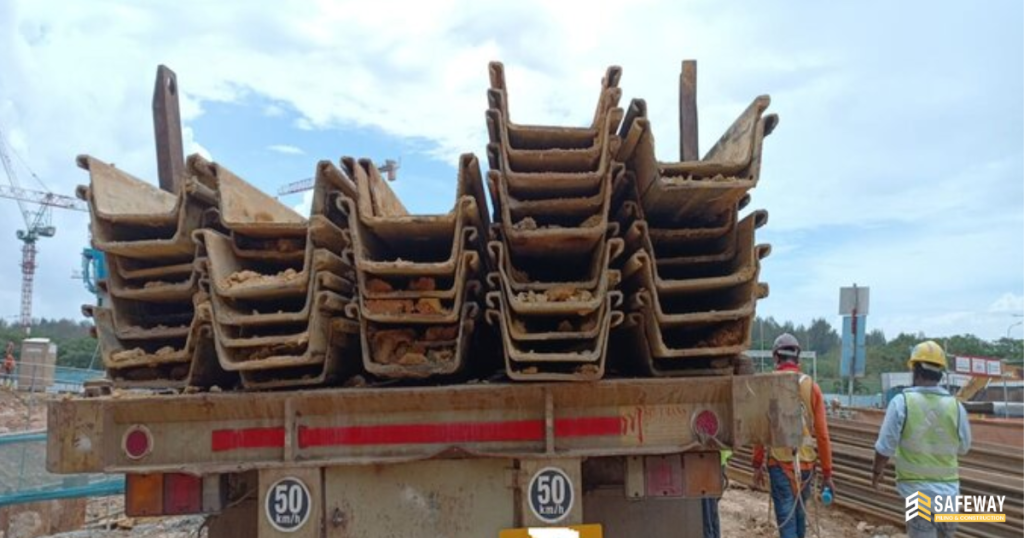
Sheet pile extraction involves removing steel sheet piles from the ground after a temporary or permanent construction activity reaches its required stage. Contractors often extract sheet piles from excavation support systems, cofferdams, temporary retaining walls, riverbank works, and other construction projects.
The extraction process requires proper planning, suitable equipment, trained workers, and safe working procedures. Contractors usually use vibratory hammers, cranes, pile clamps, lifting accessories, and other supporting equipment to remove sheet piles from the ground. The selected method depends on soil conditions, pile length, pile profile, installation depth, surrounding structures, and the condition of the sheet pile.
Proper sheet pile extraction helps contractors recover reusable steel piles, reduce material waste, and clear the construction area for the next stage of work. However, workers must control the pile carefully during removal because sudden movement can create safety risks or damage nearby structures.
What Is Sheet Pile Extraction?
Sheet pile extraction refers to the process of removing steel sheet piles from the ground after they have completed their required purpose. Contractors normally use a crane and vibratory hammer to loosen the pile from the surrounding soil before lifting it out.
The extraction process can involve several steps. Workers first inspect the pile and surrounding area, connect suitable lifting equipment, attach the extraction hammer or clamp, loosen the pile, and gradually pull it from the ground. Contractors should choose the extraction method according to site conditions. Poor planning can cause pile damage, ground movement, equipment instability, or safety problems.
Why Is Sheet Pile Extraction Important?
Proper sheet pile extraction helps contractors complete temporary construction works safely and efficiently. Many projects use sheet piles for a limited period and remove them after completing excavation, foundation, or structural work.
Benefits include:
- Allows Material Reuse: Contractors can remove sheet piles carefully and inspect them for future projects. Reusing steel piles can reduce material waste and project costs.
- Reduces Construction Waste: Proper extraction allows contractors to recover steel piles instead of cutting or abandoning them in the ground.
- Clears the Construction Area: Removing temporary sheet piles creates space for further construction activities, backfilling, landscaping, or other site work.
- Supports Temporary Construction: Contractors can use the same sheet piles for different temporary projects when the piles remain in good condition.
- Improves Project Efficiency: A suitable extraction method helps workers remove piles within the planned construction schedule.
- Protects Nearby Structures: Controlled extraction can reduce unwanted ground movement and help protect nearby buildings, roads, utilities, and other structures.
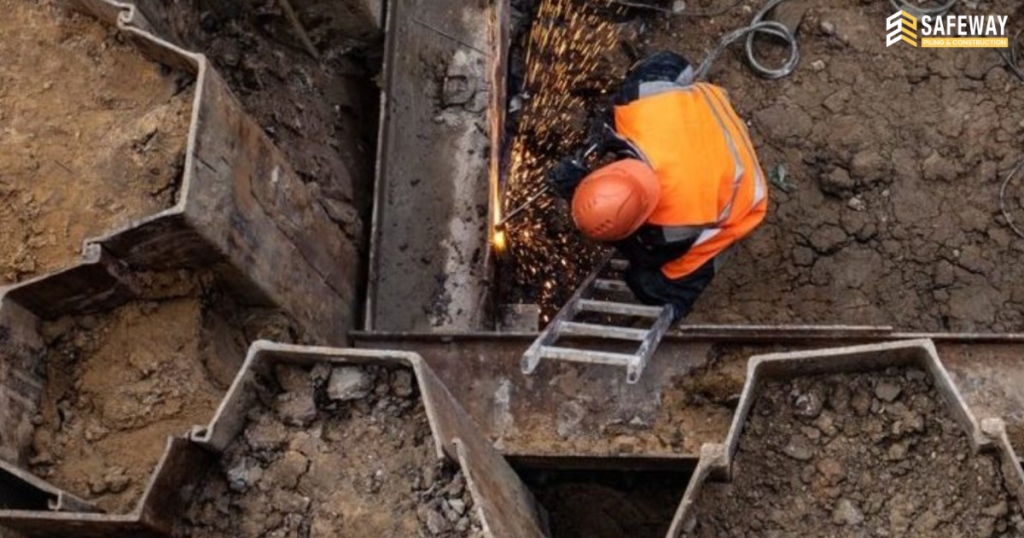
Common Methods of Sheet Pile Extraction
Different extraction methods can suit different project conditions. Contractors should select the method after considering pile size, soil resistance, installation depth, equipment access, and surrounding structures.
- Vibratory Extraction: A vibratory hammer applies rapid vibration to loosen the pile from the surrounding soil. Contractors commonly use this method because it can provide fast and efficient extraction.
- Crane Pulling: A crane can pull sheet piles from the ground when the pile has low extraction resistance. Workers need to use suitable lifting equipment and control the pile during removal.
- Impact Extraction: Contractors may use impact equipment when piles remain tightly embedded in difficult ground. The equipment helps break the soil resistance around the pile.
- Hydraulic Extraction: Hydraulic equipment can apply controlled pulling force to remove sheet piles. This method can provide better control in certain site conditions.
- Combined Extraction: Some projects require more than one technique. Contractors may use vibration to loosen the pile and a crane to lift it from the ground.
Step-by-Step Guide to Sheet Pile Extraction
- Inspect the Work Area: Workers first inspect the sheet pile wall, surrounding ground, nearby structures, utilities, and access conditions. This inspection helps identify possible extraction risks.
- Review the Sheet Pile Layout: The team checks the pile arrangement and identifies the correct sequence for removal. The extraction sequence should follow the approved construction method.
- Check Pile Condition: Workers inspect visible sections of the sheet pile for bends, cracks, damaged interlocks, corrosion, or other problems. This information helps the team select suitable lifting and extraction equipment.
- Select the Extraction Equipment: Contractors select a vibratory hammer, crane, hydraulic system, or another suitable method based on pile resistance and site conditions.
- Position the Crane: Workers position the crane on stable ground with enough space for lifting and pile movement. The crane should have suitable capacity for the pile and extraction equipment.
- Attach the Lifting Equipment: Workers connect suitable slings, shackles, clamps, or other accessories to the sheet pile. They should check each connection before applying pulling force.
- Attach the Extraction Hammer: When using a vibratory hammer, workers securely connect the hammer clamp to the sheet pile. The connection must remain stable throughout the extraction process.
- Loosen the Sheet Pile: The equipment applies vibration or controlled pulling force to reduce the resistance between the pile and surrounding soil. Workers should monitor the pile movement during this stage.
- Extract the Sheet Pile: The crane gradually lifts the loosened sheet pile from the ground. Workers should avoid sudden pulling and maintain control of the pile throughout the operation.
- Remove the Pile Safely: Once the pile leaves the ground, workers guide it to the designated storage area. They should keep people away from the pile’s movement path.
- Inspect the Extracted Pile: Workers inspect the pile for damage, deformation, corrosion, and interlock condition. The team can then decide whether the pile remains suitable for reuse.
- Restore the Extraction Area: After removing the pile, workers may need to fill the extraction hole or restore the ground according to the project requirements.
Vibratory Hammers for Sheet Pile Extraction
Vibratory hammers are widely used for sheet pile extraction. These machines create rapid vibration that reduces the resistance between the sheet pile and surrounding soil. The vibration can help loosen the pile and make extraction easier. A crane usually supports the hammer and controls the pile during removal.
Main benefits include:
- Fast Extraction: Vibratory hammers can remove suitable sheet piles quickly. This helps contractors complete temporary work efficiently.
- Effective Soil Loosening: Vibration reduces friction around the pile and can make removal easier.
- Suitable for Reuse: Controlled extraction can help contractors recover sheet piles with less damage.
- Efficient for Temporary Works: Contractors can use vibratory extraction when they need to remove cofferdam, excavation support, or temporary retaining piles.
- Controlled Operation: Operators can adjust the extraction process according to pile movement and ground conditions.
Cranes Used for Sheet Pile Extraction
Cranes play an important role in sheet pile extraction because they lift and control the sheet pile after workers loosen it from the ground.
The crane must have sufficient capacity to handle the sheet pile and extraction equipment. Contractors should also consider the crane’s working radius, lifting height, ground condition, and surrounding obstacles.
Crane selection depends on:
- Sheet pile weight
- Sheet pile length
- Extraction equipment weight
- Extraction resistance
- Working radius
- Required lifting height
- Site access
- Ground stability
- Nearby structures
Workers should follow the crane manufacturer’s rated lifting capacity and the approved lifting plan. Proper crane positioning also helps reduce the risk of tipping or uncontrolled pile movement.
Sheet Pile Extraction Accessories
Extraction accessories help workers connect the sheet pile with the crane and extraction equipment.
- Pile Clamps: Pile clamps connect the extraction hammer to the sheet pile. A secure clamp helps transfer vibration and pulling force to the pile.
- Lifting Slings: Slings connect the sheet pile to the crane. Workers should use slings with suitable capacity and inspect them before every lifting operation.
- Shackles: Shackles connect lifting accessories and provide secure attachment points. Workers should use the correct size and type for the lifting operation.
- Lifting Hooks: Hooks help workers connect the pile to lifting equipment. Workers should inspect hooks for damage or deformation before use.
- Guide Frames: Guide frames can help control pile movement during extraction. They can also help maintain a safer working area.
- Hydraulic Equipment: Hydraulic systems can provide controlled pulling force when project conditions require a more controlled extraction method.
- Tag Lines: Tag lines allow workers to control the direction of a suspended pile from a safe position. They can reduce unwanted pile movement during lifting.
Factors That Affect Sheet Pile Extraction
Several conditions can affect the difficulty, speed, and safety of sheet pile extraction. Contractors should evaluate these factors before starting removal work.
- Soil Conditions: Soil type strongly affects extraction resistance. Dense sand, stiff clay, gravel, and compacted soil can hold sheet piles tightly.
- Pile Length: Longer sheet piles usually have more surface contact with the soil. This can increase extraction resistance and require suitable equipment.
- Installation Depth: Deeply embedded sheet piles can require greater extraction force. Contractors should select equipment according to the pile depth and expected resistance.
- Pile Profile: Different sheet pile profiles have different shapes, weights, and surface areas. The profile can affect the force required for extraction.
- Soil Pressure: Surrounding soil pressure can increase resistance around the sheet pile. Excavation conditions and groundwater can also affect the extraction process.
- Pile Condition: Bent, damaged, or heavily corroded piles may require special handling. Workers should inspect the pile before applying extraction force.
- Nearby Structures: Buildings, roads, utilities, and other structures may restrict extraction methods. Contractors should control vibration and ground movement when working near sensitive structures.
- Site Access: Limited working space can restrict crane positioning and equipment movement. Contractors should plan the equipment layout before extraction begins.
How Soil Conditions Affect Sheet Pile Extraction
Soil conditions strongly influence the equipment and method required for pile removal.
- Soft Clay: Soft clay may provide lower extraction resistance, but workers still need to control ground movement during removal.
- Stiff Clay: Stiff clay can hold sheet piles firmly. Contractors may need vibratory equipment with sufficient capacity to loosen the pile.
- Dense Sand: Dense sand can create high friction around the pile. Contractors should use suitable extraction equipment and monitor pile movement carefully.
- Loose Sand: Loose sand may move during extraction. Workers should monitor the surrounding ground and prevent unwanted settlement.
- Gravel: Gravel can increase extraction resistance and may make pile removal difficult. Contractors may need specialized equipment depending on site conditions.
- Mixed Soil: Layers of clay, sand, gravel, or fill can create changing extraction resistance. Workers should monitor equipment performance throughout removal.
Challenges During Sheet Pile Extraction
Contractors can face different challenges when removing sheet piles from the ground.
- High Extraction Resistance: Dense soil can hold piles tightly and prevent easy removal. Workers may need stronger vibratory or hydraulic equipment.
- Pile Damage: Excessive pulling force can bend the pile or damage its interlocks. Operators should use controlled extraction force.
- Ground Movement: Removing a pile can create soil movement or voids. Contractors should monitor nearby ground and structures.
- Limited Working Space: Small sites can make crane positioning and pile storage difficult. Contractors should plan the extraction area before starting work.
- Excessive Vibration: Vibratory extraction can affect nearby structures and sensitive facilities. Contractors should review vibration requirements before selecting the method.
- Equipment Failure: Hammer, crane, clamp, or hydraulic equipment failure can stop extraction work. Regular inspection and maintenance can reduce unexpected delays.
- Pile Sticking: Some piles can remain tightly embedded even after vibration. Workers may need to change the extraction approach after reviewing site conditions.
Best Practices for Sheet Pile Extraction
Following proper practices can help contractors complete Sheet Pile Extraction more safely and efficiently.
- Inspect Equipment Before Use: Workers should inspect cranes, vibratory hammers, clamps, slings, shackles, hooks, hydraulic hoses, and other equipment before starting work.
- Check the Extraction Plan: The team should review the approved extraction sequence and understand the required method before removing any pile.
- Select Suitable Equipment: Contractors should match equipment capacity with pile size, length, depth, soil conditions, and expected extraction resistance.
- Check Ground Stability: Cranes and heavy equipment require stable ground. Contractors should verify ground conditions before positioning machinery.
- Use Trained Operators: Only trained and authorized workers should operate cranes, vibratory hammers, and hydraulic extraction equipment.
- Control Pile Movement: Workers should use suitable lifting accessories and tag lines to control the sheet pile during extraction and lifting.
- Monitor Nearby Structures: Contractors should observe nearby buildings, roads, utilities, and other structures during extraction. They should stop work if unexpected movement occurs.
- Inspect Extracted Piles: Workers should inspect removed sheet piles before storing or reusing them. Damaged piles may require repair or rejection.
- Maintain Equipment: Regular equipment maintenance helps reduce breakdowns and supports consistent extraction performance.
- Follow the Approved Safety Plan: Workers should follow project safety procedures and stop the operation if site conditions become unsafe.
Safety Considerations During Sheet Pile Extraction
Sheet pile extraction involves heavy steel piles, cranes, vibratory hammers, lifting accessories, and other machinery. Contractors need strong safety controls throughout the operation. Safety measures include:
- Inspect cranes and extraction equipment before use.
- Check lifting slings, shackles, hooks, and clamps before lifting.
- Keep workers away from suspended sheet piles.
- Establish a controlled extraction zone.
- Use trained and authorized equipment operators.
- Check crane ground stability before starting work.
- Maintain safe clearance from power lines and other hazards.
- Use suitable personal protective equipment.
- Control pile movement with suitable lifting accessories.
- Monitor nearby buildings, roads, and utilities.
- Stop work when equipment or site conditions become unsafe.
- Follow the approved lifting and extraction procedures.
Proper safety planning helps protect workers, equipment, nearby structures, and the surrounding environment.
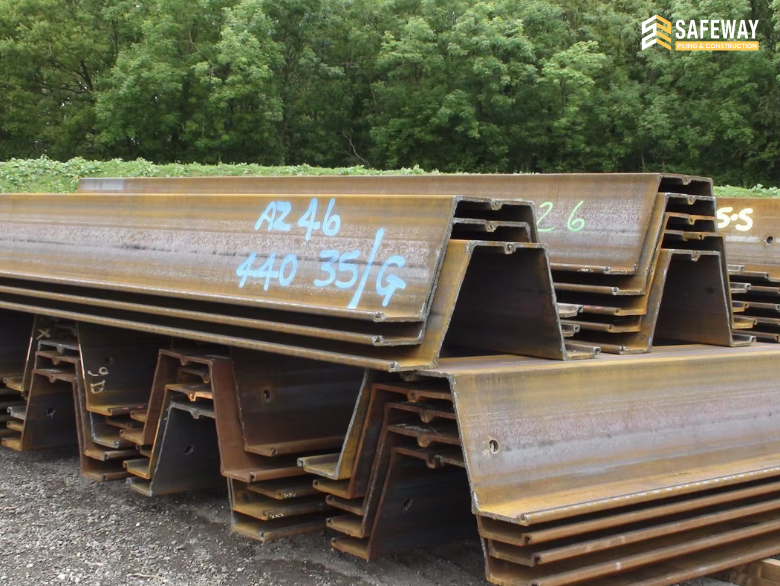
How Safeway Piling & Construction Supports Sheet Pile Extraction
Safeway Piling & Construction provides professional piling and construction support for projects in Bangladesh. Our team understands the importance of proper planning when contractors need to install, use, and remove sheet piles.
We support sheet pile requirements for excavation support, temporary retaining structures, cofferdams, riverbank protection, basement construction, marine projects, and other construction applications.
- Sheet Pile Supply: We provide steel sheet pile supply solutions based on project requirements. Our team helps clients consider suitable pile specifications and quantities.
- Project Requirement Support: We review important project information such as pile size, length, application, and site conditions to help clients plan their sheet pile requirements.
- Extraction Equipment Coordination: Suitable extraction equipment can improve removal efficiency. We help clients understand equipment requirements based on project conditions.
- Construction Support: We provide project-focused support for sheet pile applications and help clients coordinate material and construction requirements.
Benefits of Choosing Safeway Piling & Construction
Selecting an experienced piling company can help contractors manage sheet pile installation and extraction requirements more effectively.
- Reliable Sheet Pile Supply: Safeway Piling & Construction provides steel sheet pile supply solutions for different construction projects. We focus on understanding project requirements before arranging suitable materials.
- Project-Based Solutions: Each project has different soil conditions, pile requirements, and site limitations. We help clients consider these factors when planning sheet pile solutions.
- Professional Support: Our team provides project-focused assistance and clear communication. This helps clients understand their material and equipment requirements.
- Construction Application Support: We support sheet pile requirements for excavation, retaining walls, basement construction, cofferdams, marine works, riverbank protection, and other construction projects.
Contact Safeway Piling & Construction.
Need professional sheet pile extraction support for your construction project?
Contact Safeway Piling & Construction to discuss your sheet pile requirements, extraction method, equipment needs, site conditions, and project schedule.
Conclusion
Sheet pile extraction requires suitable equipment, proper planning, trained workers, and safe working procedures. Contractors commonly use vibratory hammers, cranes, pile clamps, lifting slings, shackles, hydraulic equipment, and other accessories to remove steel sheet piles from the ground.
The right extraction method depends on soil conditions, pile length, installation depth, pile profile, surrounding structures, site access, and expected extraction resistance. Contractors should review these factors before selecting equipment and starting removal work. Proper inspection, controlled lifting, accurate equipment selection, trained operators, and continuous monitoring can improve extraction performance. Contractors should also inspect removed sheet piles before storing or reusing them.
Safeway Piling & Construction provides professional sheet pile supply and project support for different construction applications. We help clients understand their sheet pile requirements and plan suitable solutions based on project conditions and construction needs.
Frequently Asked Questions
- What is Sheet Pile Extraction?
Sheet pile extraction is the process of removing steel sheet piles from the ground after they have completed their required purpose. Contractors commonly use vibratory hammers, cranes, clamps, and lifting accessories for this work.
- What equipment is used for sheet pile extraction?
Common equipment includes vibratory hammers, cranes, pile clamps, lifting slings, shackles, hydraulic systems, hooks, and tag lines. The equipment depends on pile size, soil conditions, depth, and extraction resistance.
- Can sheet piles be reused after extraction?
Yes. Contractors can reuse sheet piles when they remain in suitable condition after extraction. Workers should inspect the pile for bending, corrosion, damaged interlocks, and other defects before reuse.
- Which hammer is commonly used for sheet pile extraction?
Contractors commonly use vibratory hammers because vibration can reduce soil resistance around the pile. The correct equipment depends on site conditions and project requirements.
- Is sheet pile extraction safe?
Sheet pile extraction can be performed safely when contractors follow an approved method, use suitable equipment, maintain a controlled work area, and use trained operators. Workers should also inspect lifting equipment before every operation.
- What soil conditions make sheet pile extraction difficult?
Dense sand, stiff clay, gravel, compacted fill, and mixed soil layers can increase extraction resistance. Contractors may need higher-capacity equipment or a different extraction method in these conditions.
- Why is a crane needed for sheet pile extraction?
A crane helps lift, control, and move sheet piles after they become loose. It also supports the extraction hammer and other equipment during the removal process.
- How can contractors reduce sheet pile damage during extraction?
Contractors can reduce damage by selecting suitable equipment, applying controlled extraction force, using proper clamps, monitoring pile movement, and avoiding excessive pulling force.
- What should workers do after removing a sheet pile?
Workers should move the pile to a safe storage area, inspect its condition, clean it if required, and check whether it remains suitable for reuse.
- Can Safeway Piling & Construction support sheet pile requirements?
Yes. Safeway Piling & Construction supports sheet pile supply and project requirements for excavation support, retaining walls, cofferdams, basement construction, marine works, riverbank protection, and other construction applications.