
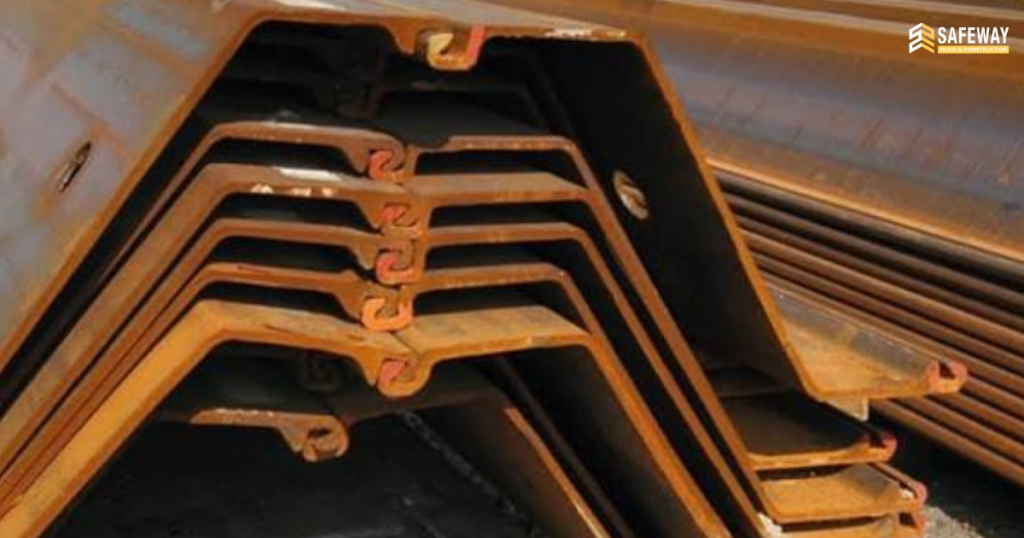
Sheet pile supply and installation is an important service for construction projects that need strong soil retention, excavation support, and water control. Sheet piles create a continuous wall that helps hold soil and provides support during different types of construction work.
The process includes selecting suitable sheet piles, checking project requirements, arranging transportation, preparing the site, and installing the piles with suitable equipment. Proper planning helps contractors complete the work safely and efficiently.
What Is Sheet Pile Supply and Installation?
Sheet pile supply and installation means providing suitable sheet piles and installing them at the project site according to the project requirements. The supplier helps arrange the required sheet pile type, size, length, and quantity. The installation team then uses suitable equipment and methods to drive the piles into the ground.
The complete service can include material supply, transportation, lifting, installation, equipment, labor, and technical support. The actual requirements depend on the project design, soil conditions, excavation depth, and site access.
Main Factors That Affect Sheet Pile Supply and Installation Include:
- Sheet pile type
- Sheet pile size
- Sheet pile thickness
- Steel grade
- Pile length
- Total quantity
- Supplier and source
- Transportation distance
- Installation method
- Soil condition
- Equipment requirements
- Labor cost
- Project duration
Why Is Sheet Pile Supply and Installation Important?
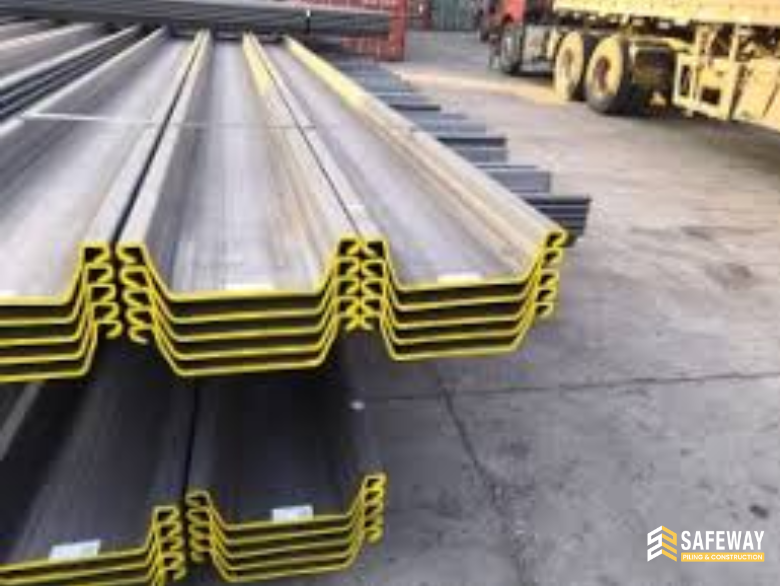
Sheet pile supply and installation helps contractors manage both material selection and installation work through a planned process. The right sheet pile can provide effective soil retention and support during excavation and other construction activities.
Proper planning also helps reduce installation problems and allows contractors to prepare a more accurate project budget.
Proper Planning Helps With:
- Preparing an accurate budget
- Selecting the right sheet pile
- Planning transportation
- Choosing suitable equipment
- Estimating installation expenses
- Understanding site conditions
- Controlling project costs
- Avoiding unexpected problems
Sheet Pile Solutions Offered by Safeway Piling & Construction
Safeway Piling & Construction provides sheet pile solutions for construction projects that require excavation support, retaining walls, cofferdams, riverbank protection, and other suitable applications. The company can help contractors understand their project requirements and select suitable sheet pile solutions.
Safeway Piling & Construction can support clients with sheet pile supply, installation planning, equipment requirements, and project-based assistance. The exact solution depends on the project design, soil conditions, required depth, and installation method.
What Factors Affect Sheet Pile Supply and Installation?
Several factors can affect the total cost of sheet pile supply and installation. Contractors should review each factor before preparing a project budget.
- Sheet Pile Type: Different sheet pile profiles have different shapes, weights, and structural properties. The selected type can affect both supply and installation costs.
- Sheet Pile Size: Larger sheet piles can require more material and stronger equipment. Therefore, pile size can influence the total project cost.
- Sheet Pile Thickness: Thicker sheet piles generally provide greater strength and durability. Their material and installation costs can differ from lighter sheet piles.
- Steel Grade: The selected steel grade affects the material properties of the sheet pile. Contractors should choose a suitable grade based on project requirements.
- Sheet Pile Length: The required pile length depends on excavation depth, soil conditions, and required embedment. Longer piles can increase material, transportation, and installation costs.
- Quantity Required: The number of sheet piles depends on the required wall length and selected pile profile. Accurate quantity planning helps reduce material waste and unnecessary costs.
- Current Material Cost: Steel market conditions can affect sheet pile supply costs. Contractors should consider current material prices when preparing a project budget.
- Transportation Cost: Transportation depends on the distance between the supplier and project site. Loading, unloading, and handling can also affect the total cost.
- Installation Method: Contractors may use vibratory hammers, impact hammers, or other suitable methods. The selected method depends on soil and site conditions and can affect installation costs.
- Soil Conditions: Hard, dense, or difficult soil can make sheet pile installation more challenging. A proper soil review helps contractors select suitable equipment and installation methods.
- Site Access: Limited site access can make transportation, lifting, and equipment movement more difficult. Contractors should check site access before starting installation.
- Project Duration: The project schedule can affect equipment use, labor requirements, and installation planning. Proper scheduling helps maintain project efficiency and control costs.
What Is Included in Sheet Pile Supply and Installation?
The complete service can include several activities beyond supplying the sheet piles. Contractors should review the quotation to understand what services are included.
Main Cost Items Include:
- Sheet Pile Material: The cost of the required sheet piles based on type, size, thickness, length, and quantity.
- Transportation: The cost of delivering sheet piles to the project site.
- Loading and Unloading: Handling costs for moving the sheet piles during delivery and site preparation.
- Installation: Labor and equipment costs for driving the sheet piles into the ground.
- Equipment: Cranes, hammers, and other equipment needed for installation.
- Extraction: If the piles are temporary, extraction may be required after the construction work.
- Bracing and Support: Additional support may be needed depending on the excavation design and site conditions.
How Can You Plan Sheet Pile Supply and Installation?
Contractors should review the project requirements before ordering materials or starting installation. A clear plan helps ensure that the correct sheet piles and equipment are available at the right time.
Follow These Steps:
- Check the Project Area: Review the area where the sheet piles will be installed and identify the required wall length.
- Determine the Required Depth: Identify the excavation depth and required sheet pile penetration.
- Study Soil Conditions: Review soil layers, groundwater levels, and expected driving resistance.
- Select the Sheet Pile Profile: Choose a suitable sheet pile profile based on engineering and site requirements.
- Determine the Required Length: Select the pile length based on excavation depth and required embedment.
- Calculate the Quantity: Calculate the number of sheet piles required for the complete wall.
- Check Material Requirements: Confirm the required size, thickness, steel grade, and pile condition.
- Plan Transportation: Arrange suitable transportation for moving the sheet piles to the project site.
- Select the Installation Method: Choose a suitable driving method based on soil, site access, and project requirements.
- Arrange Installation Equipment: Prepare the required crane, hammer, lifting tools, and other equipment.
- Prepare the Site: Clear the working area and provide safe access for equipment and workers.
- Review the Complete Plan: Check material supply, transportation, equipment, labor, safety, and installation requirements before starting work.
Sheet Pile Applications in Construction
Sheet piles can support many construction activities. Their continuous wall system makes them suitable for projects that require soil retention, excavation support, or water control.
Common Applications Include:
- Basement excavation: Sheet piles can provide support around basement excavation areas.
- Deep excavation: They help retain surrounding soil during deep excavation.
- Retaining walls: Sheet piles can create temporary or permanent retaining structures.
- Cofferdam construction: They can create enclosed working areas in or near water.
- Bridge construction: Sheet piles can provide temporary support around bridge foundation work.
- Riverbank protection: They can help control soil movement near rivers and waterways.
- Waterfront structures: Sheet piles can support construction activities near water.
- Marine construction: They can be used for suitable marine and waterfront projects.
- Road and infrastructure projects: Sheet piles can provide excavation support during infrastructure work.
- Temporary excavation support: They can support excavations during construction and can be removed after the work.
- Flood protection works: Sheet piles can provide soil and water control for suitable flood protection projects.
The application affects the required sheet pile type, length, installation method, and equipment.
How to Reduce Sheet Pile Project Cost
Proper planning can help contractors control the total cost of sheet pile supply and installation. Contractors should avoid unnecessary material, equipment, and installation expenses.
Consider These Factors:
- Choose the Right Sheet Pile: Select a suitable profile based on project requirements.
- Plan the Required Length: Avoid unnecessary pile length while meeting the required embedment.
- Order the Correct Quantity: Calculate the required number of piles accurately.
- Select the Right Installation Method: Use a suitable method based on soil and site conditions.
- Plan Transportation: Arrange delivery efficiently to reduce unnecessary handling and transport costs.
- Review Site Conditions: Study soil, groundwater, access, and nearby structures before installation.
- Plan Equipment Requirements: Use suitable equipment to avoid delays and unnecessary equipment costs.
- Work With an Experienced Supplier: An experienced supplier can help with material selection and installation planning.
How Is Sheet Pile Supply and Installation Planned by Safeway Piling & Construction?
Safeway Piling & Construction can review the main project requirements before preparing a sheet pile supply and installation solution. The company can consider the required sheet pile type, size, length, quantity, installation method, transportation requirements, and site conditions.
Contractors should provide accurate project information so the supplier can understand the actual requirements. A complete project discussion can help the contractor plan material supply, equipment, installation, and related costs.
Benefits of Choosing the Right Sheet Pile
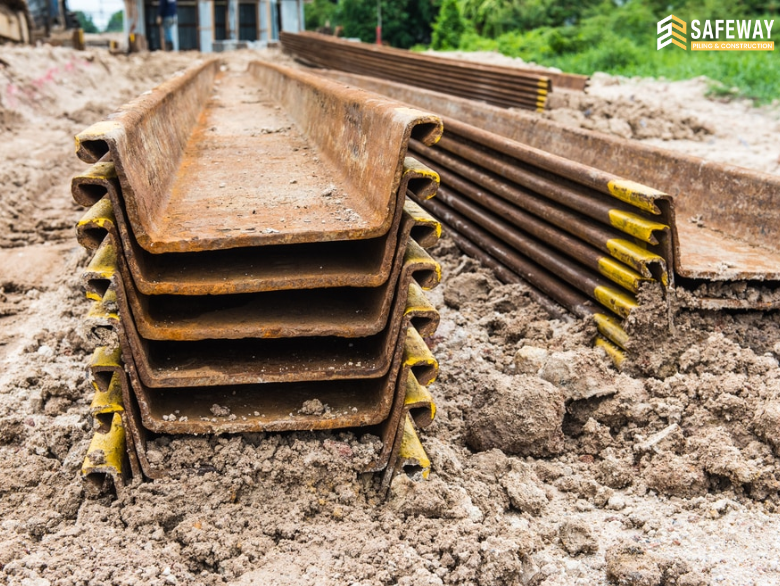
Selecting the right sheet pile is important for safe and efficient construction. The material should match the project design, soil conditions, excavation depth, and installation requirements.
Key Benefits Include:
- Strong soil retention
- Better excavation stability
- Effective water control
- Suitable structural performance
- Faster installation
- Reduced construction risk
- Better material utilization
- Improved project cost control
- Suitable solutions for temporary and permanent works
Contractors should always select sheet piles according to engineering requirements and actual site conditions.
Safety During Sheet Pile Installation
Safety should remain a priority during sheet pile supply and installation. Sheet piles are heavy materials, and installation equipment can create risks when workers do not follow proper safety procedures.
Important Safety Measures Include:
- Inspect sheet piles before installation.
- Check cranes and lifting equipment.
- Keep workers away from suspended loads.
- Use trained equipment operators.
- Maintain a safe working area.
- Check ground stability before equipment setup.
- Follow the approved installation procedure.
- Use proper personal protective equipment.
- Monitor nearby structures during excavation.
- Stop work when unsafe conditions develop.
Proper safety planning helps protect workers, equipment, nearby structures, and the project site.
Why Choose Safeway Piling & Construction for Sheet Pile Solutions?
Safeway Piling & Construction can support contractors with sheet pile supply and installation requirements for different construction projects. The company can help clients understand their requirements and plan a suitable sheet pile solution.
Working with an experienced service provider can make material selection, transportation, equipment planning, and installation easier.
Key Reasons to Consider Safeway Piling & Construction Include:
- Sheet pile supply solutions
- Sheet pile installation support
- Project-based recommendations
- Suitable sheet pile selection
- Installation equipment support
- Technical knowledge
- Focus on project requirements
- Professional quotation support
Contact Safeway Piling & Construction for Reliable Sheet Pile Supply and Installation.
Choosing the right sheet pile supply and installation service requires more than selecting a material supplier. Contractors should consider sheet pile type, size, length, quantity, transportation, installation method, equipment, soil conditions, and project requirements.
Contact Safeway Piling & Construction to discuss your project requirements and request a quotation. Proper planning can help you select a suitable sheet pile solution and complete the installation safely and efficiently.
Conclusion
Sheet pile supply and installation plays an important role in excavation support, retaining walls, cofferdams, riverbank protection, and other construction projects. The process includes selecting suitable sheet piles, arranging transportation, preparing the site, choosing the right installation method, and driving the piles safely.
The right sheet pile solution depends on several factors, including soil conditions, excavation depth, pile size, length, quantity, and site access. Working with an experienced supplier such as Safeway Piling & Construction can help contractors plan material supply and installation according to their project requirements.
Frequently Asked Questions
1. What is Sheet Pile Supply and Installation?
Sheet pile supply and installation means providing suitable sheet piles and installing them at the project site. The service can include material supply, transportation, equipment, labor, and installation support.
2. Why is Sheet Pile Supply and Installation important?
It provides a planned solution for projects that need soil retention, excavation support, retaining walls, cofferdams, or water control.
3. What affects sheet pile supply cost?
Sheet pile type, size, thickness, steel grade, length, quantity, current material cost, transportation, and supplier requirements can affect the supply cost.
4. What affects sheet pile installation cost?
Installation cost can depend on soil conditions, pile size and length, installation method, equipment, labor, site access, and project duration.
5. How are sheet piles installed?
Sheet piles can be installed using suitable equipment such as vibratory or impact hammers. The method depends on the soil, site conditions, pile type, and project requirements.
6. Does soil condition affect sheet pile installation?
Yes. Soil conditions can affect driving resistance, installation time, equipment requirements, and the selected installation method.
7. Can sheet piles be used for temporary projects?
Yes. Sheet piles can provide temporary excavation support, cofferdams, and other temporary construction solutions. They can be removed after the required work is complete when the project design allows.
8. What information is needed for a sheet pile quotation?
Project area, wall length, excavation depth, soil conditions, required pile length, quantity, installation method, site access, and transportation requirements can help prepare a quotation.
9. How can I get a Sheet Pile Supply and Installation quotation?
You can contact Safeway Piling & Construction and provide your project requirements. The company can review the information and discuss a suitable sheet pile solution.
10. Why should I choose an experienced sheet pile supplier?
An experienced supplier can help contractors understand material requirements, installation methods, equipment needs, transportation, and other important project factors.