
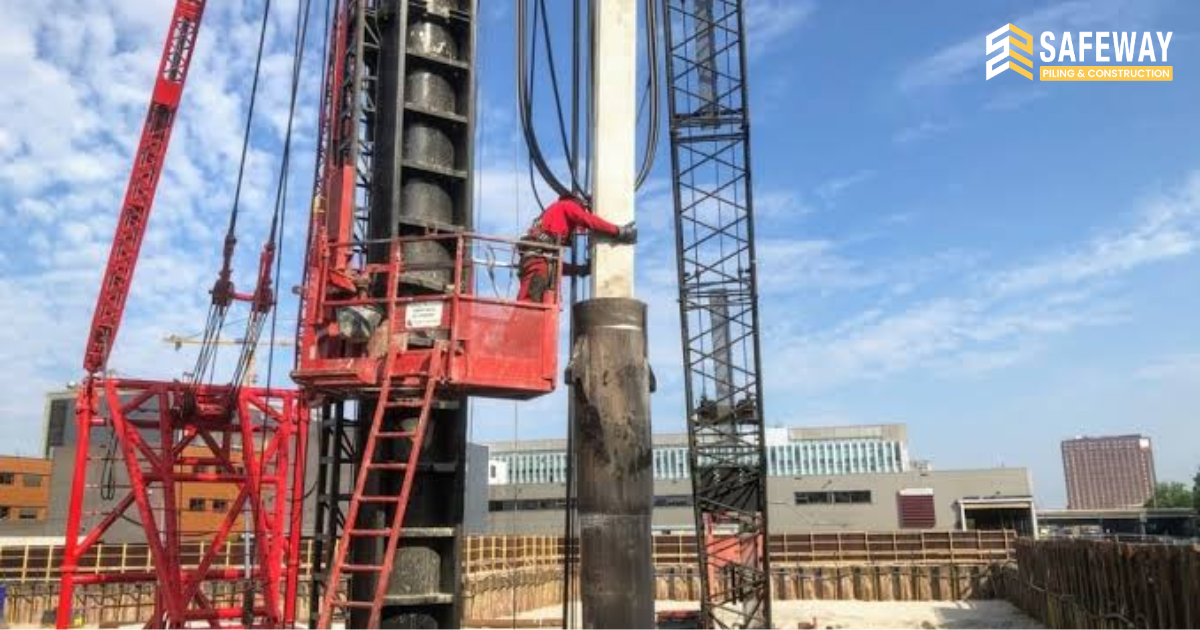
The cast-in-situ pile price in Bangladesh depends on pile diameter, depth, soil conditions, reinforcement, concrete quality, equipment, and site requirements. Cast in situ piles are made by forming a hole in the ground, placing steel reinforcement when required, and pouring concrete into the prepared borehole. This method is widely used in building foundations, commercial projects, industrial structures, and other construction work.
Before planning a piling project, contractors need to understand the main cost factors. The total cost may include drilling, reinforcement, concrete, labor, machinery, transportation, and quality testing. A clear estimate helps project owners prepare a suitable budget and avoid unexpected expenses during construction.
Safeway Piling & Construction supports piling and foundation project requirements. By reviewing the project design, soil conditions, pile dimensions, and site access, project owners can better understand their piling needs and request a suitable quotation.
What Is Cast in Situ Pile Price?
“Cast-in-situ pile price” refers to the cost of constructing piles directly in the ground at a project site. Unlike precast piles, which are manufactured before delivery, cast in situ piles are formed inside prepared boreholes or other suitable ground openings.
The price may be calculated per pile, per running meter, or as part of a complete piling contract. The final quotation depends on the project design, construction method, material quantities, equipment requirements, and site conditions. For this reason, contractors should review the complete scope of work before comparing prices.
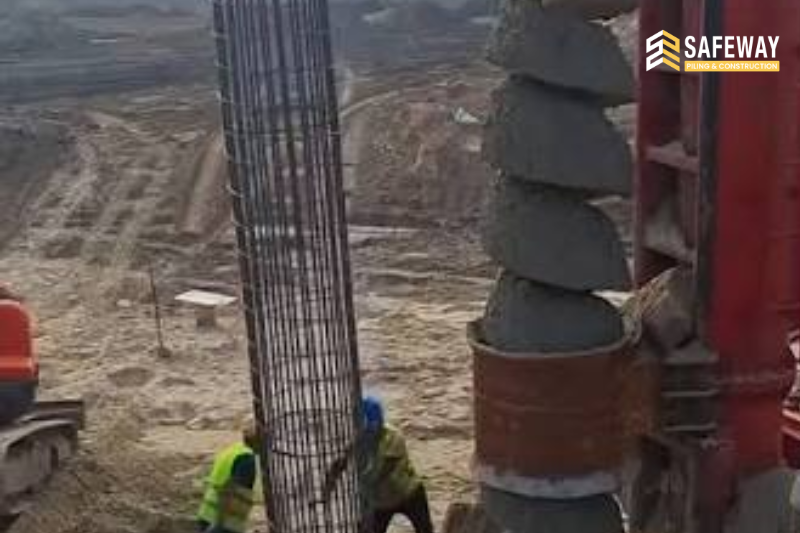
What Factors Affect the Cast-in-Situ Pile Price in Bangladesh?
Several factors affect the total cost of cast-in-situ piling. Understanding these factors helps project owners compare quotations and plan their construction budgets more accurately.
- Pile Diameter: The diameter determines how much soil must be removed and how much concrete the pile needs. Larger piles usually require more concrete, and they may also need more reinforcement and stronger drilling equipment.
- Pile Depth: Deeper piles require longer drilling time and more concrete, depending on the pile diameter. Difficult ground conditions at greater depths may also increase equipment use, labor time, and construction costs.
- Soil Conditions: Soft soil, dense sand, clay, gravel, and other ground conditions can affect drilling speed and method selection. Hard layers, obstructions, or unstable boreholes may require additional equipment or special construction steps.
- Concrete Grade and Quantity: The required concrete grade depends on the structural design and project specifications. Concrete costs depend on the specified mix, total volume, delivery distance, and any special requirements for placing the concrete.
- Steel Reinforcement: Reinforcement cages add material, fabrication, handling, and placement costs. The quantity and arrangement of steel depend on the structural design, pile loading, and engineering requirements.
- Drilling Equipment: The selected piling rig and supporting equipment affect productivity and operating expenses. Equipment choice depends on pile dimensions, required depth, soil resistance, working space, and access to the construction site.
- Labor and Skilled Operators: Piling work requires trained workers and equipment operators. Labor costs may change according to project size, working hours, site conditions, and the level of supervision needed.
- Groundwater Conditions: High groundwater levels can make borehole stability and concrete placement more difficult. Depending on the site, contractors may need suitable casing, slurry systems, or other measures that add to the project cost.
- Site Access and Working Space: Restricted sites may limit the size of the piling rig or the movement of concrete trucks and reinforcement cages. Extra handling, smaller equipment, or changes to the work sequence can increase construction time.
- Pile Testing and Quality Control: The project specifications may require integrity tests, load tests, concrete tests, or other quality checks. These activities add costs but help confirm that the completed piles meet the required standards.
How Is Cast in Situ Pile Price Calculated?
Contractors estimate cast-in-situ pile costs by reviewing the design and calculating the required materials, equipment time, labor, and other project expenses. The pile dimensions provide a starting point for estimating the theoretical concrete volume.
For a cylindrical pile, the theoretical concrete volume can be calculated using this formula:
Concrete Volume = π × Radius² × Pile Depth
For example, consider a pile with a diameter of 0.6 meters and a depth of 20 meters.
- Radius: 0.6 ÷ 2 = 0.3 meters
- Depth: 20 meters
- Theoretical concrete volume: 3.1416 × 0.3 × 0.3 × 20 = approximately 5.65 cubic meters
This figure represents the theoretical volume of a cylindrical pile. The actual concrete requirement may be higher because of borehole enlargement, ground conditions, construction method, and placement losses. The final quantity should follow the project specifications and site measurements.
After estimating the material quantities, contractors add reinforcement, drilling, labor, equipment, transportation, testing, and other applicable costs. The final price should reflect the complete scope of work rather than concrete volume alone.
What Is Included in the Cast-in-Situ Pile Construction Cost?
A piling quotation may cover several activities and materials. Project owners should check which items are included before comparing offers from different contractors.
- Site Preparation: This includes preparing the work area and arranging access for piling rigs, concrete delivery, reinforcement handling, and supporting equipment. Additional ground preparation may be needed if the site cannot safely support the machinery.
- Borehole Drilling: Drilling creates the opening required for the pile. The cost depends on pile depth, diameter, soil resistance, equipment type, drilling speed, and the need for casing or other borehole support.
- Steel Reinforcement: This includes reinforcement steel specified by the structural design, along with cutting, bending, cage fabrication, and placement where required. The final cost depends on steel quantity, bar sizes, cage dimensions, and handling needs.
- Concrete Supply: Concrete costs depend on the specified grade, total volume, supplier, delivery distance, and placing method. Continuous and properly planned delivery can help reduce delays during concrete placement.
- Machinery and Equipment: Piling rigs, cranes, pumps, generators, and other equipment may be needed depending on the construction method. The quotation should clarify whether equipment costs are charged separately or included in the piling rate.
- Labor and Supervision: Workers handle drilling support, reinforcement placement, concrete operations, and site coordination. Skilled supervision helps the team follow the approved method and maintain quality during construction.
- Casing or Borehole Support: Some ground conditions require temporary casing or another suitable support method to keep the borehole stable. Whether this work is necessary depends on soil conditions, groundwater, pile depth, and the selected construction procedure.
- Testing and Inspection: The project may require pile integrity tests, load tests, concrete sampling, or other checks. Project owners should confirm the required tests and whether their costs are included in the quotation.
- Transportation and Site Logistics: Transporting machinery, reinforcement, concrete, and supporting materials can affect the budget. Long distances, difficult access, restricted delivery times, and special lifting arrangements may increase logistics costs.
How Do Soil Conditions Affect Cast-in-Situ Pile Price?
Soil conditions are an important part of piling cost estimation because they affect drilling speed, borehole stability, equipment selection, and the construction method. A site with consistent soil may allow a more predictable work sequence, while changing ground layers can create delays. For example, loose or water-bearing soil may need casing or other borehole support. Dense soil or hard layers may require more drilling time or different equipment. Underground obstructions can also delay work and increase costs if the construction team must change its method.
Before finalizing the cast-in-situ pile price, project owners should review available soil investigation reports. A geotechnical engineer and piling contractor can use this information to assess suitable pile dimensions, construction methods, and likely site challenges.
How Do Pile Diameter and Depth Affect the Cost?
Pile diameter and depth directly affect material quantities and drilling requirements. When the diameter increases, the concrete volume rises in proportion to the square of the radius. This means that a relatively small increase in diameter can create a noticeable increase in concrete demand. Pile depth also affects the total concrete volume and the time needed to complete drilling. Deeper piles may require longer reinforcement cages, additional lifting arrangements, and more careful borehole management. However, the required diameter and depth must come from the structural design and geotechnical assessment, not from cost considerations alone.
For an accurate estimate, contractors should calculate the quantities for every pile type in the project. If the project includes different pile diameters or depths, each group should be estimated separately before calculating the total piling cost.
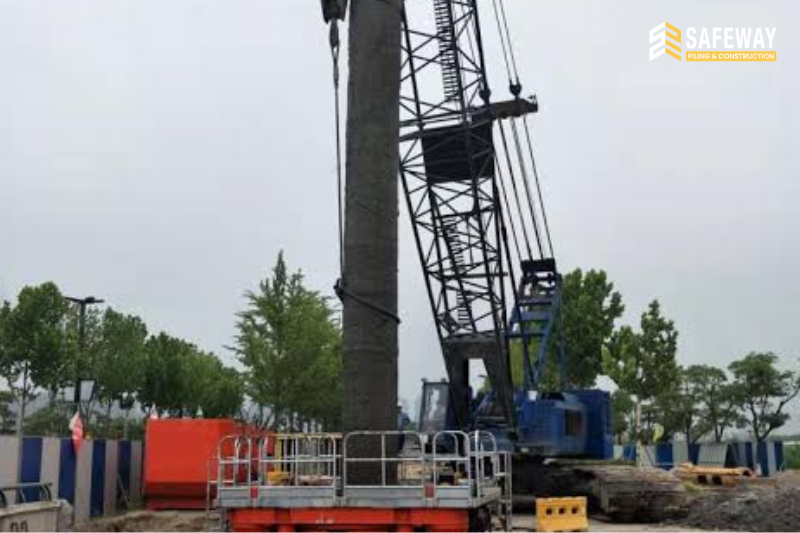
How Can You Estimate the Cast-in-Situ Pile Price Step by Step?
A step-by-step estimate helps project owners understand the expected cost before construction begins. The following process can help contractors prepare a more complete piling budget.
- Review the Project Design: Check the structural drawings and piling schedule to identify the number of piles, required diameters, depths, and reinforcement details. These details provide the starting point for calculating material quantities and equipment requirements.
- Study the Soil Investigation Report: Review the soil layers, groundwater level, and other ground conditions. This information helps the contractor select a suitable drilling method and identify possible construction challenges.
- Calculate the Number of Piles: Confirm the total number of piles required by the approved design. If the project uses different pile sizes, separate them into groups to make quantity calculations easier.
- Calculate Concrete Volume: Use the pile diameter and depth to estimate the theoretical concrete volume for each pile. Add the quantities for all piles and allow for any additional concrete required by the approved construction method.
- Estimate Reinforcement Quantity: Review the reinforcement drawings to calculate the required steel. Include cage fabrication, lifting, placement, and other related work in the estimate.
- Estimate Drilling Costs: Consider the pile depth, soil resistance, equipment capacity, expected drilling time, and borehole support requirements. Difficult ground conditions may increase the time and cost of drilling.
- Add Labor and Equipment Costs: Include the piling rig, supporting machinery, operators, workers, fuel or power, and supervision where applicable. Confirm whether the contractor charges by the pile, running meter, working day, or complete project.
- Include Transportation and Testing: Estimate the cost of moving machinery and materials to the site. Also include the tests and inspections required by the project specifications.
- Review Additional Costs: Check whether site preparation, temporary casing, water control, waste removal, or other special activities are necessary. These items should be included where applicable instead of being left out of the budget.
- Request a Detailed Quotation: Share the drawings, soil report, pile schedule, site location, and project requirements with the contractor. A detailed quotation helps you understand the scope, exclusions, payment terms, and estimated total cost.
How Can You Reduce Cast in Situ Pile Construction Costs?
Project owners can manage piling costs through careful planning without reducing the safety or quality required by the design. Early coordination can also help prevent delays and unnecessary expenses.
- Complete the Soil Investigation: A reliable soil report helps the project team understand the ground before selecting the piling method. This can reduce unexpected changes in equipment, borehole support, and construction procedures.
- Prepare Accurate Drawings: Clear structural drawings help contractors calculate pile quantities, concrete volume, reinforcement, and drilling requirements. Better information also makes it easier to compare quotations on the same basis.
- Plan Equipment Use: Selecting equipment suitable for the site can improve drilling efficiency and reduce unnecessary operating time. The equipment should match the required pile dimensions, depth, ground conditions, and available working space.
- Arrange Materials in Advance: Planning concrete delivery and reinforcement preparation helps prevent avoidable interruptions. Delays in material supply can affect labor productivity and equipment use, especially when the construction sequence requires timely concrete placement.
- Organize the Work Sequence: A clear piling schedule helps coordinate drilling, reinforcement placement, concrete delivery, and testing. Good coordination reduces waiting time and helps the team complete work more efficiently.
- Compare Complete Quotations: Ask contractors to explain what their prices include and exclude. A low initial price may not represent the best value if important activities, testing, transportation, or equipment costs are charged separately.
- Maintain Quality Control: Proper inspection and construction records can help identify problems early. Preventing avoidable defects and rework can save time and money over the course of the project.
What Problems Can Increase Cast in Situ Pile Price?
Some site and construction problems can increase the expected cost of piling. Identifying these risks early helps the project team plan suitable measures.
- Unexpected Soil Layers: Ground conditions may differ from the information available during initial planning. Hard layers, loose deposits, or underground obstructions can slow drilling and require changes to the construction method.
- Borehole Instability: Unstable soil can cause borehole collapse or make it difficult to maintain the required shape. The contractor may need suitable casing or other approved support measures, which can increase material and equipment costs.
- Groundwater Inflow: Water entering the borehole can complicate drilling and concrete placement. Depending on site conditions, the project may need additional borehole control measures and closer supervision.
- Delayed Concrete Delivery: Interruptions in concrete supply can affect the planned placement sequence. Poor coordination may increase labor and equipment waiting time and can create quality risks that require technical review.
- Equipment Breakdown: Mechanical problems can interrupt drilling and delay other piling activities. Regular inspection and maintenance help reduce the chance of unexpected downtime.
- Restricted Site Access: Narrow entrances, limited working space, overhead obstructions, and difficult delivery routes can slow equipment movement. The contractor may need extra handling arrangements or a different machine setup.
How Do You Choose a Cast in Situ Pile Contractor in Bangladesh?
Choosing a suitable contractor is important because piling work directly affects the performance of the building foundation. Project owners should assess technical capability, work planning, safety, and quotation details before making a decision.
- Check Relevant Experience: Ask about experience with similar foundation projects, pile sizes, depths, and ground conditions. Relevant experience can help the contractor identify practical challenges and plan the work appropriately.
- Review Technical Understanding: The contractor should understand the project drawings, soil report, construction method, and quality requirements. They should also explain how they plan to manage drilling, reinforcement placement, and concrete operations.
- Confirm Equipment Suitability: Ask which piling rigs and supporting equipment will be used for the project. The selected equipment should suit the pile dimensions, site access, and expected ground conditions.
- Ask About Quality Control: Discuss how the contractor will inspect boreholes, place reinforcement, manage concrete, and maintain construction records. Confirm which tests and inspections are included in the proposed scope.
- Review Safety Procedures: Piling work involves heavy equipment, lifting operations, and ground-related hazards. The contractor should have suitable safety procedures, trained workers, and a clear plan for controlling site risks.
- Compare Detailed Quotations: Review the scope of work, rates, material assumptions, testing, transportation, exclusions, and payment terms. Comparing these details helps you assess value instead of choosing a contractor based only on the lowest price.
- Discuss Project Communication: Clear communication helps the project team manage schedules, changes, site issues, and progress updates. Agree on how the contractor will report completed work and communicate unexpected problems.
Where Are Cast in Situ Piles Used?
Cast in situ piles are used in projects that need deep foundation support. Their suitability depends on the structural design, soil conditions, groundwater, and construction requirements.
- Residential Buildings: Cast in situ piles may support houses and apartment buildings where the ground conditions or structural loads require a deep foundation. The engineer determines the pile dimensions and arrangement based on the design requirements.
- Commercial Buildings: Offices, shopping centers, and other commercial structures may use cast in situ piles to transfer building loads to suitable soil layers. The piling plan depends on the building loads, site conditions, and foundation design.
- High-Rise Buildings: Tall buildings can place substantial loads on their foundations. Properly designed cast in situ piles may help transfer these loads into suitable ground, subject to engineering analysis and construction quality.
- Industrial Structures: Factories, warehouses, and industrial facilities may require pile foundations to support buildings or equipment. The design must consider structural loads, ground conditions, and any project-specific operational requirements.
- Bridge and Infrastructure Projects: Cast in situ piles may support bridge foundations and other infrastructure structures. Construction planning must account for site access, groundwater, ground conditions, and the relevant design specifications.
- Waterfront and Other Special Sites: Certain waterfront or water-affected sites may use cast in situ piles when the design and construction method suit the conditions. These projects require careful planning for water control, borehole stability, and concrete placement.
Why Choose Safeway Piling & Construction for Piling Project Consultation?
A piling project needs proper planning before work starts. Safeway Piling & Construction can be contacted to discuss piling and foundation project requirements and the information needed to prepare a quotation.
- Project Requirement Review: Share your drawings, pile schedule, and soil investigation report so the project requirements can be reviewed. Complete information helps clarify the scope of work and the details needed for a suitable estimate.
- Cost Estimation Support: A detailed quotation can help you understand the expected work and related cost items. The final price depends on the confirmed scope, materials, equipment, site conditions, and construction requirements.
- Construction Planning: Piling work requires coordination between drilling, reinforcement placement, concrete supply, and testing. Discussing these requirements early can help the project team prepare a more organized work plan.
- Clear Scope of Work: Ask for a quotation that identifies the included activities, exclusions, testing requirements, and other applicable charges. This helps reduce confusion when comparing offers and planning the project budget.
Contact Safeway Piling & Construction for Cast-in-Situ Pile Price.
The cast-in-situ pile price in Bangladesh depends on pile diameter, depth, soil conditions, concrete, reinforcement, equipment, labor, and site requirements. A reliable estimate should consider all major construction activities rather than only the cost of concrete or drilling. If you are planning a residential, commercial, industrial, or infrastructure project, contact Safeway Piling & Construction to discuss your piling requirements and request a quotation. Share the available drawings, soil report, pile dimensions, number of piles, and project location to help the contractor understand the work involved.
Conclusion
The cast-in-situ pile price depends on several factors, including pile dimensions, soil conditions, reinforcement, concrete volume, machinery, labor, and testing requirements. Project owners should review these factors before preparing a final piling budget. Accurate drawings, soil investigation, suitable equipment, and proper construction planning can help control costs and reduce unexpected delays. Comparing detailed quotations also helps project owners understand the complete scope of work.
Safeway Piling & Construction can be contacted to discuss piling project requirements and request pricing information based on the project details.
Frequently Asked Questions
1. What is the cast-in-situ pile price in Bangladesh?
The price depends on pile diameter, depth, soil conditions, concrete, reinforcement, equipment, labor, and testing requirements. A project-specific quotation is needed to determine the actual cost.
2. How is the cast-in-situ pile cost calculated?
Contractors estimate the material quantities and add drilling, labor, equipment, transportation, testing, and other applicable expenses. The calculation should follow the approved design and the agreed scope of work.
3. Does pile depth affect the cast-in-situ pile price?
Yes. Deeper piles usually require more drilling time and a greater quantity of concrete. Depending on the ground conditions, deeper installation may also need additional equipment or borehole support.
4. Does pile diameter affect the total cost?
Yes. A larger pile generally requires more concrete and may require additional reinforcement and suitable drilling equipment. The required diameter must be based on the structural design and geotechnical assessment.
5. How do soil conditions affect piling costs?
Soil conditions affect drilling speed, borehole stability, equipment selection, and construction methods. Hard layers, unstable soil, groundwater, and underground obstructions may increase the cost.
6. What materials are needed for cast-in-situ piles?
Common requirements include concrete and steel reinforcement where specified by the design. Depending on the construction method and ground conditions, the project may also require casing or other borehole support materials.
7. Is reinforcement included in the cast in situ pile price?
That depends on the contractor’s quotation. Always confirm whether reinforcement steel, cage fabrication, placement, and related handling costs are included in the quoted rate.
8. Are pile testing costs included in the quotation?
Not always. The quotation should identify the required tests and confirm whether their costs are included or charged separately. The testing plan should follow the project specifications and applicable engineering requirements.
9. How can I reduce cast-in-situ pile construction costs?
You can improve cost control through accurate soil investigation, clear drawings, suitable equipment selection, organized material delivery, and proper work planning. Do not reduce the pile dimensions or material specifications without approval from the responsible engineer.
10. How can I get a cast-in-situ pile price quotation from Safeway Piling & Construction?
Contact Safeway Piling & Construction and provide the project drawings, soil report, pile diameter, pile depth, number of piles, and site location. These details help the contractor understand the scope and prepare a more relevant quotation.