
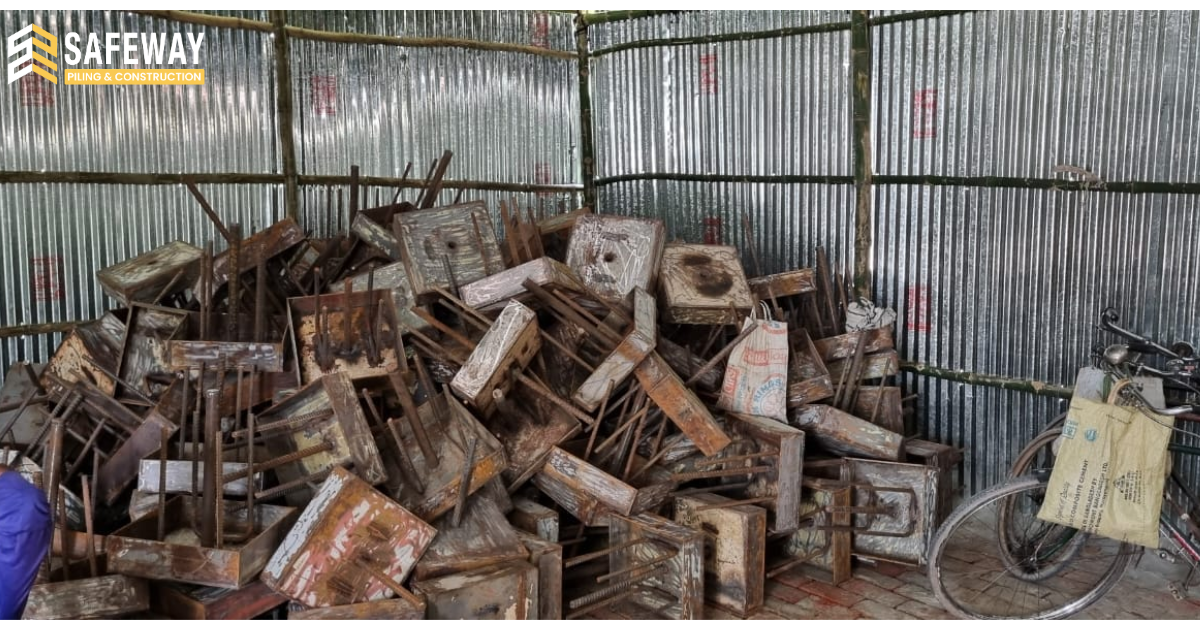
Precast pile joint plates play an important role in connecting precast concrete piles during foundation construction. These steel plates form part of the pile joint system and help create a connection between two pile sections. Proper plate selection, fabrication, and installation are important for achieving a reliable pile connection. Precast concrete piles are widely used in residential buildings, commercial structures, industrial facilities, bridges, and large construction projects. When a project requires longer piles than can be transported or handled in one section, contractors may join multiple pile sections at the site. Joint plates and their connection details must match the approved pile design and project requirements.
Safeway Piling supports piling and foundation construction requirements for different types of projects. Understanding the materials, manufacturing process, quality checks, and supply requirements for precast pile joint plates helps contractors plan their foundation work more effectively.
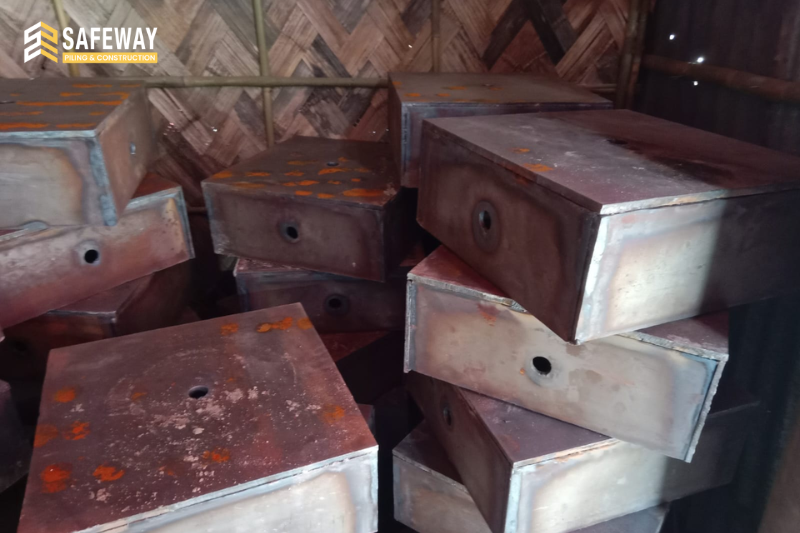
What Are Precast Pile Joint Plates?
Precast pile joint plates are steel plates used as part of a connection system for joining precast concrete pile sections. These plates are generally attached to the ends of pile sections during manufacturing. During installation, the prepared joint components are connected according to the approved design.
The joint system must transfer the forces required by the structural design. Its performance depends on the plate dimensions, steel grade, connection details, welding quality, alignment, and installation method. Contractors should select joint plates based on the pile design rather than choosing them by appearance or price alone.
Main Functions of Precast Pile Joint Plates Include:
- Connecting Pile Sections: Joint plates help connect separate precast pile sections to form a longer pile.
- Supporting Joint Strength: Properly designed connection plates help transfer the forces specified in the structural design.
- Maintaining Alignment: Correct plate dimensions and positioning help pile sections align during joining.
- Supporting Installation Work: A suitable joint system helps contractors connect pile sections according to the approved installation procedure.
- Improving Connection Reliability: Proper materials, fabrication, and inspection help reduce the risk of connection defects.
Why Are Precast Pile Joint Plates Important?
Precast pile joint plates are important because the joint between two pile sections must perform as required under the project’s design conditions. A weak or poorly fabricated connection can affect the performance of the pile and create problems during installation or service. Using suitable joint plates helps contractors maintain the required connection details and follow the approved foundation design. Proper inspection also helps identify dimensional errors, welding defects, and other problems before the pile sections reach the construction site.
Key Benefits Include:
- Reliable Connections: Properly designed plates support the intended performance of the pile joint.
- Better Alignment: Accurate dimensions help the joint components fit together correctly.
- Consistent Fabrication: Controlled manufacturing helps maintain the required dimensions across production batches.
- Improved Quality Control: Inspection can identify defects before the components are used.
- Better Project Planning: Reliable supply and correct specifications help contractors plan pile production and installation.
Precast Pile Joint Plate Solutions by Safeway Piling
Safeway Piling focuses on piling and foundation construction requirements. Precast pile joint plates are one of the components that contractors may need when a project uses sectional precast concrete piles. Before arranging the supply of joint plates, project teams should confirm the required plate dimensions, material grade, thickness, connection arrangement, welding details, and quantity. These requirements should come from the approved drawings and technical specifications. For a project requiring precast pile joint plates, contractors should provide the pile dimensions and joint details so the required components can be identified accurately. Supply arrangements should also consider production schedules, inspection requirements, transportation, and site delivery.
What Materials Are Used to Manufacture Precast Pile Joint Plates?
Steel is commonly used for precast pile joint plates because the material can be fabricated into the shapes required by the connection design. However, the exact steel grade and plate thickness must follow the approved engineering specifications. Material selection should consider the intended forces, fabrication process, welding requirements, exposure conditions, and project standards. Using an unapproved material or changing the plate thickness without engineering approval can affect the joint’s performance.
Common Manufacturing Materials and Components Include:
- Steel Plate: Forms the main body of the joint plate and must meet the specified grade and thickness.
- Connection Components: Additional plates, lugs, or other joint elements may be required by the approved design.
- Welding Materials: Suitable welding consumables are selected according to the approved welding procedure and base materials.
- Reinforcement Connection Details: The joint arrangement may need to coordinate with the pile reinforcement and end details.
- Protective Coating: A coating may be specified when required by the project, material specification, or exposure conditions.
The manufacturer or supplier should confirm that all materials match the approved drawings and purchase specifications before fabrication begins.
Precast Pile Joint Plate Manufacturing Process
The manufacturing process affects the accuracy, strength, and consistency of precast pile joint plates. Each stage should follow the approved drawings, material specifications, and applicable quality requirements.
Main Manufacturing Steps Include:
Step 1: Review the Technical Drawings: Check the pile dimensions, plate thickness, steel grade, hole locations, connection details, and required tolerances before production starts.
Step 2: Select the Steel Material: Choose steel that meets the specified grade and thickness. Material records should be checked where certification is required by the project.
Step 3: Mark the Plate Dimensions: Mark the required length, width, shape, and cutting lines according to the approved fabrication drawings.
Step 4: Cut the Steel Plate: Cut the material using a suitable process. Check the cut edges for excessive roughness, deformation, or other defects.
Step 5: Drill or Prepare Connection Details: Make holes, slots, or other connection features where the design requires them. Check their locations and dimensions carefully.
Step 6: Fit the Components: Position the plate and any additional joint components according to the drawing. Correct fit-up helps maintain the required joint geometry.
Step 7: Complete the Welding: Where welding is specified, use an approved welding procedure and suitable consumables. Qualified personnel should carry out the work when required by the project.
Step 8: Inspect the Fabricated Plate: Check dimensions, alignment, weld appearance, and other specified acceptance requirements.
Step 9: Apply Finishing or Protection: Remove sharp edges and weld spatter where required. Apply protective treatment only when specified.
Step 10: Store and Prepare for Delivery: Keep finished plates organized and protected from damage, mix-ups, and unsuitable storage conditions before dispatch.
What Factors Affect Precast Pile Joint Plate Specifications?
Every precast pile project may have different joint requirements. Plate dimensions and connection details should therefore be based on the structural design and installation conditions.
1. Pile Size: The pile cross-section affects the available space and the dimensions of the joint arrangement.
2. Plate Thickness: The required thickness depends on the engineering design, connection forces, material properties, and detailing requirements.
3. Steel Grade: The specified steel grade must meet the project’s strength and fabrication requirements.
4. Joint Design: The connection may use different plate shapes and details depending on the approved joint system.
5. Welding Requirements: Weld type, size, length, and acceptance criteria must follow the approved design and welding procedure.
6. Dimensional Tolerances: Plate dimensions and connection features must remain within the specified tolerances to support correct fit-up.
7. Pile Reinforcement: The joint details must coordinate with the reinforcement cage and pile end arrangement.
8. Installation Conditions: Handling, lifting, driving, and site joining conditions may affect the required detailing and inspection plan.
9. Project Standards: Applicable codes, technical specifications, and inspection requirements should guide fabrication and acceptance.
10. Order Quantity: The number of plates required affects production planning, inspection arrangements, packaging, and delivery schedules.
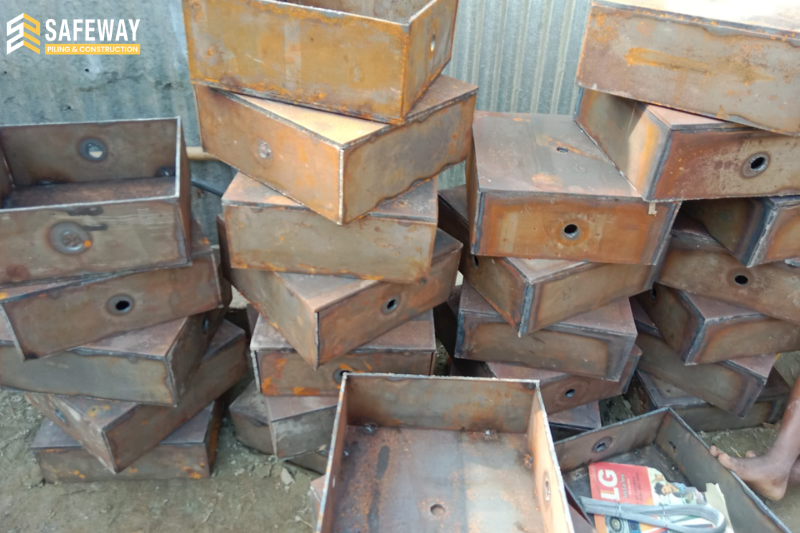
Precast Pile Joint Plate Quality Control
Quality control helps ensure that precast pile joint plates meet the approved project requirements before they are used. Inspection should take place during material receipt, fabrication, welding, and final preparation. A plate that looks correct may still have incorrect dimensions or material properties. For this reason, contractors and suppliers should follow documented inspection procedures instead of relying only on visual checks.
Important Quality Checks Include:
- Material Verification: Confirm the steel grade, thickness, and material documentation against the purchase specification.
- Dimensional Inspection: Measure plate length, width, thickness, hole locations, and other critical dimensions.
- Fit-Up Inspection: Check that the joint components fit according to the approved drawings.
- Weld Inspection: Inspect welds using the specified visual or additional testing methods where required.
- Surface Inspection: Look for cracks, excessive distortion, sharp defects, and other unacceptable surface conditions.
- Identification and Records: Maintain batch identification and inspection records where required by the project.
- Final Acceptance: Release the plates for use only after they meet the applicable acceptance criteria.
The required inspection and testing methods depend on the design, project specifications, applicable standards, and quality plan.
How to Choose the Right Precast Pile Joint Plate Supplier
Choosing a suitable supplier helps contractors obtain components that match the project specifications and delivery schedule. A low price alone should not determine the selection because incorrect dimensions or poor fabrication can create additional costs and delays.
Consider These Factors Before Ordering:
1. Technical Specification: Share the approved drawings, material grade, plate thickness, dimensions, and joint details with the supplier.
2. Fabrication Capability: Confirm that the supplier can produce the required shapes and connection features accurately.
3. Quality Documentation: Ask what material records, inspection reports, and other quality documents can be provided.
4. Welding Quality: If the plates require welding, confirm how the supplier controls welding procedures and inspection.
5. Order Quantity: Confirm the total quantity and whether the supplier can meet the required production schedule.
6. Delivery Schedule: Discuss fabrication lead time, packaging, transportation, and the required delivery date.
7. Quotation Details: Ask for a quotation that clearly states specifications, quantity, delivery terms, and any additional charges.
8. Communication: Choose a supplier that can review technical requirements and clarify questions before production starts.
How Can You Estimate Precast Pile Joint Plate Supply Costs?
The cost of precast pile joint plates depends on the required specifications and the manufacturing work involved. Prices may vary between projects, so a reliable estimate requires complete technical information.
Main Cost Factors Include:
- Steel Grade and Thickness: Material specifications affect the amount and cost of steel required.
- Plate Dimensions: Larger plates or special shapes may require more material and fabrication time.
- Cutting and Drilling: Additional machining or connection features can affect production costs.
- Welding and Assembly: The cost depends on the approved joint design and the amount of fabrication required.
- Inspection Requirements: Special inspections, tests, or documentation may affect the final quotation.
- Order Quantity: The size of the order can influence material purchasing and production planning.
- Packaging and Transportation: Delivery distance, handling requirements, and packaging affect the total supply cost.
- Delivery Schedule: Urgent production or special delivery arrangements may change the quotation.
To request an accurate price, provide the plate drawing, steel grade, thickness, required quantity, inspection requirements, and delivery location. Avoid estimating the final cost from plate size alone.
Common Mistakes to Avoid When Ordering Precast Pile Joint Plates
Small errors in specifications or communication can lead to fabrication problems and delays. Reviewing the requirements before placing an order can help prevent unnecessary rework.
- Ordering Without Approved Drawings: Missing or unclear details can result in plates that do not fit the pile joint.
- Choosing Only by Price: A low quotation may not include the required material grade, fabrication quality, or inspection.
- Ignoring Tolerances: Incorrect hole positions or dimensions can create fit-up problems during installation.
- Changing Specifications Without Approval: Unapproved changes to thickness, steel grade, or welding details may affect joint performance.
- Skipping Inspection: Failure to inspect components can allow defects to reach the construction site.
- Poor Delivery Planning: Late supply or inadequate packaging can interrupt pile production and installation schedules.
Safety Considerations for Joint Plate Manufacturing and Installation
Precast pile joint plates involve steel fabrication, handling, welding, and connection work. Proper safety controls are necessary during manufacturing and construction.
Important Safety Measures Include:
- Safe Material Handling: Use suitable lifting equipment and approved lifting methods for heavy steel plates.
- Personal Protective Equipment: Workers should use the protective equipment required for cutting, grinding, welding, and handling.
- Welding Safety: Provide suitable ventilation, fire prevention measures, and protection from welding hazards.
- Storage Control: Store plates securely on a stable surface to prevent movement, falling, or damage.
- Installation Planning: Follow the approved lifting and pile-joint connection procedures.
- Trained Personnel: Use qualified workers for specialized welding, inspection, and installation tasks.
- Site Coordination: Keep workers clear of suspended loads and follow the project’s lifting and work-zone controls.
Why Consider Safeway Piling for Piling Project Support?
Safeway Piling works in the piling and foundation construction sector. When planning a project that requires precast pile joint plates, contractors should confirm the company’s current supply capabilities and the exact components available for their project.
Before requesting a quotation, prepare the pile dimensions, approved joint drawings, steel specifications, required quantity, inspection needs, and delivery schedule. Clear information helps the supplier review the request and respond more accurately.
A project-specific review also helps identify any technical details that need confirmation before manufacturing or supply proceeds.
Contact Safeway Piling for Precast Pile Joint Plate Requirements
If your project requires precast pile joint plates, prepare the approved drawings and technical specifications before requesting a quotation. Include the required plate dimensions, steel grade, thickness, quantity, inspection requirements, and delivery location. Contact Safeway Piling to discuss your piling project requirements and confirm whether the required joint plates can be supplied. A clear specification helps the supplier understand your needs and provide a more relevant quotation.
Conclusion
Precast Pile Joint Plates are important components in sectional precast concrete pile connections. Their performance depends on the approved joint design, material quality, fabrication accuracy, welding where required, and proper installation. Before manufacturing or ordering joint plates, contractors should confirm the plate dimensions, steel grade, thickness, connection details, quality checks, and delivery schedule. Careful planning helps reduce fabrication errors and supports more organized foundation work.
Safeway Piling can discuss piling project requirements with contractors and project teams. Confirming the availability and specifications of the required joint plates before ordering is an important step toward reliable project planning.
Frequently Asked Questions
1. What are precast pile joint plates?
Precast pile joint plates are steel components used in a designed connection system to join sections of precast concrete piles. Their dimensions and connection details must follow the approved engineering design.
2. What materials are used to make precast pile joint plates?
Steel is commonly used, but the required grade, thickness, and other material properties depend on the project specifications and joint design.
3. How are precast pile joint plates manufactured?
The process may include reviewing drawings, selecting steel, cutting, drilling, fitting components, welding where required, inspection, finishing, and preparing the plates for delivery.
4. What affects precast pile joint plate prices?
Price depends on steel grade, plate thickness, dimensions, fabrication requirements, welding, inspection, order quantity, packaging, and transportation.
5. Why is quality control important for pile joint plates?
Quality control helps confirm that the plates meet the specified dimensions, material requirements, fit-up details, and applicable welding and inspection criteria.
6. Can I order custom-sized precast pile joint plates?
Custom sizes may be possible depending on the supplier’s fabrication capability. The dimensions and connection details should come from approved project drawings.
7. What information is needed for a quotation?
Provide the technical drawings, steel grade, plate thickness, dimensions, required quantity, inspection requirements, and delivery location.
8. Should pile joint plates be inspected before use?
Yes. The plates should be checked against the approved specifications, including dimensions, material documentation, connection details, and required weld inspections.
9. Are all precast pile joint plates the same?
No. Plate size, thickness, material, and connection details vary according to the pile design, structural requirements, and applicable project specifications.
10. How can Safeway Piling help with precast pile joint plates?
Contact Safeway Piling to discuss your project requirements and confirm whether the company can supply the required joint plates. Share the approved drawings and specifications to support a clear quotation request.