
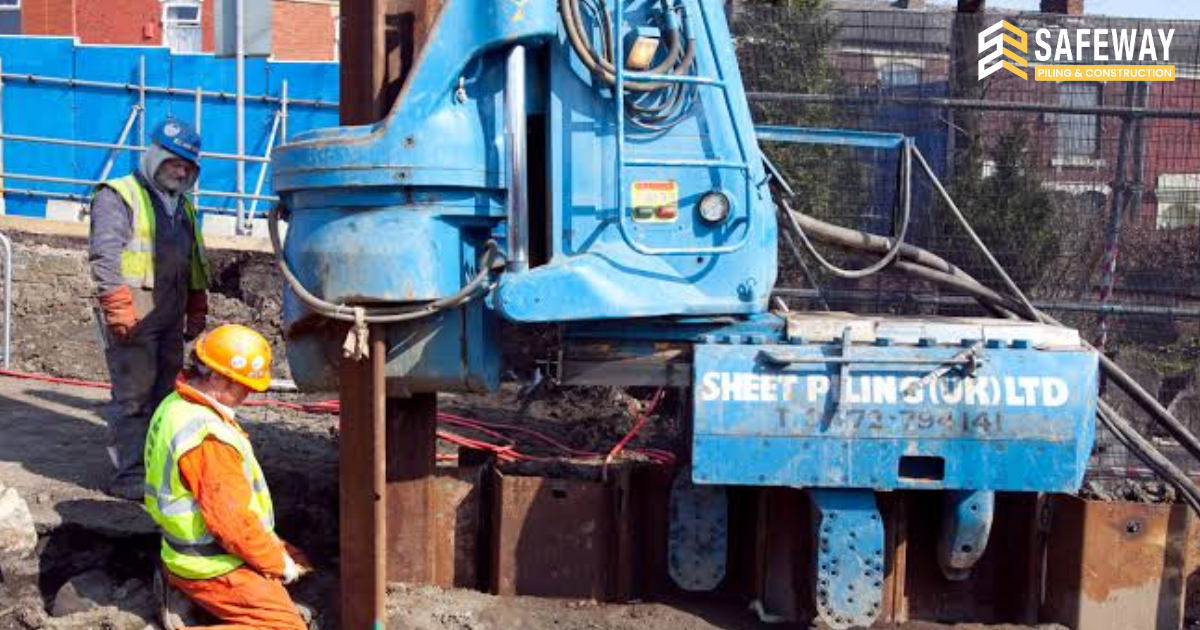
What Is Sheet Pile Lifting Equipment?
Sheet pile lifting equipment includes the machines and tools used to lift, move, and position steel sheet piles. Common equipment includes cranes, lifting clamps, slings, shackles, and spreader beams. Each item has a different purpose, but all must work together to lift the pile safely. During silent piler installation, workers first move the sheet pile into position and then transfer it to the machine for installation. The equipment must be strong enough to carry the pile’s weight and suitable for its length and shape. Using the right equipment helps workers handle sheet piles more safely and avoid unnecessary damage.
Why Is Lifting Equipment Important for Silent Piler Installation?
In silent piling installation, each sheet pile must be placed in the correct position before the machine presses it into the ground. Suitable lifting equipment helps workers move the pile without losing control of it. It also helps keep the pile straight and protects its edges and interlocks from damage. If a pile is lifted incorrectly, it may swing, bend, or become difficult to position. These problems can delay the work and increase project costs. Proper lifting equipment, careful planning, and good communication between workers help make the installation process safer and easier.
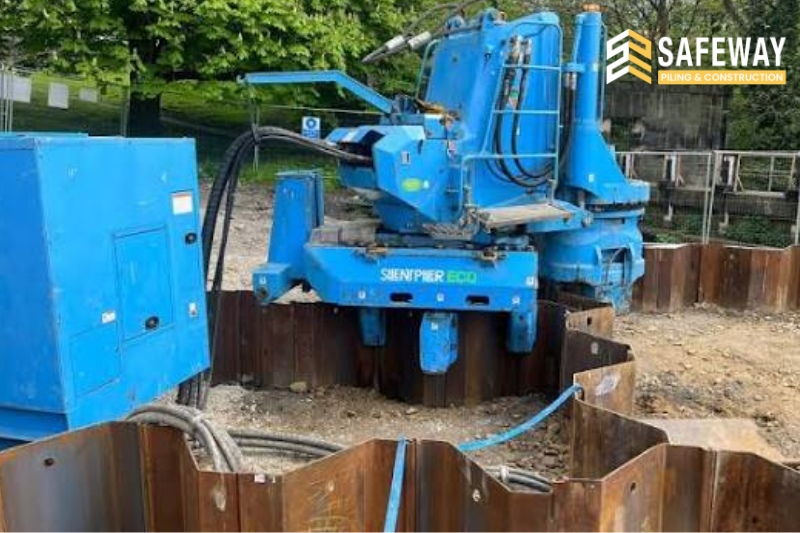
Types of Sheet Pile Lifting Equipment
Different types of equipment are used to lift and handle sheet piles. The right choice depends on the pile’s weight, length, site conditions, and lifting method.
- Mobile Crane: A mobile crane lifts heavy sheet piles and moves them around the construction site. The crane must have enough capacity for the load at the actual working distance.
- Lifting Clamps: Lifting clamps hold the sheet pile during lifting. The clamp must match the pile’s shape and be approved for the lifting task.
- Wire Rope Slings: Wire rope slings connect the pile to the crane or other lifting equipment. They must be strong enough for the load and checked for damage before use.
- Webbing Slings: These slings are made from strong synthetic materials. They may be used for suitable lifting jobs, but sharp steel edges must not cut or damage them.
- Shackles: Shackles connect slings and other lifting accessories. Workers must check their condition and load rating before using them.
- Spreader Beam: A spreader beam may help support long sheet piles during lifting. It can help manage the lifting arrangement when selected for the pile’s size and weight.
How Sheet Pile Lifting Works in Silent Piler Projects
Sheet pile lifting starts before the silent piler begins installation. First, workers check the pile’s size, weight, and condition. They then select suitable lifting equipment and attach it to the approved lifting points. The crane lifts the pile slowly while the team checks that it is balanced and secure. The pile is then moved to the required position and aligned with the planned sheet pile wall. After that, the silent piler grips the pile according to the machine’s operating instructions. The lifting equipment is released only when the pile is safely held or supported. This process helps the team prepare the pile for installation while reducing the risk of accidents and damage.
Factors to Consider When Choosing Sheet Pile Lifting Equipment
Choosing the right sheet pile lifting equipment is important for safe and smooth work. Before selecting equipment, contractors should consider the following points.
- Sheet Pile Weight and Length: Sheet piles come in different sizes and weights. The equipment must be able to lift the full load safely. Long piles also need proper control because they can swing during lifting.
- Lifting Capacity: The crane, slings, clamps, and shackles must have suitable load ratings. The lifting team should check the complete setup, including the working distance of the crane.
- Pile Shape and Condition: The lifting method must suit the sheet pile’s shape and condition. Damaged edges or interlocks should be checked before lifting because they may create problems during installation.
- Silent Piler Compatibility: The lifting arrangement must allow the pile to be transferred safely to the silent piler. Workers should follow the machine manufacturer’s instructions and use suitable lifting accessories.
- Site Conditions: Limited space, uneven ground, nearby buildings, and overhead obstacles can make lifting difficult. The team should check the site before deciding where and how to lift the piles.
- Weather Conditions: Strong wind can make long sheet piles swing and become difficult to control. Workers should follow the equipment’s operating limits and stop lifting when the weather makes the work unsafe.
- Worker Safety: Everyone involved in lifting should understand their role. Trained workers, clear signals, and a safe working area help reduce the risk of accidents.
Step-by-Step Sheet Pile Lifting Process
Following a clear process helps workers lift sheet piles safely and prepare them for silent piler installation.
- Step 1: Check the Sheet Pile: Check the pile’s weight, length, shape, and condition before lifting. Make sure the lifting points are suitable for the job.
- Step 2: Select the Right Equipment: Choose a crane, slings, clamps, and connectors that can safely handle the load. Check that all equipment is suitable for the planned lifting method.
- Step 3: Inspect the Equipment: Look for cuts, cracks, worn parts, broken wires, or other damage. Do not use any lifting equipment that is damaged or has an unknown load rating.
- Step 4: Secure the Pile: Attach the lifting equipment to the approved lifting points. Make sure the pile is properly balanced and the connections are secure before raising it.
- Step 5: Lift Slowly: Raise the pile carefully and avoid sudden movements. Check that the pile remains stable and does not swing out of control.
- Step 6: Move the Pile into Position: Guide the pile toward the installation area using the approved method. Workers must stay clear of the suspended load and avoid standing in its path.
- Step 7: Transfer the Pile to the Silent Piler: Follow the machine’s instructions when transferring the pile. Release the lifting equipment only after the pile is safely held or supported.
Safety Precautions During Sheet Pile Lifting
Sheet piles are heavy and can cause serious injuries if they fall or swing. Workers must follow proper safety rules during every lifting operation.
- Plan the Lift: Check the pile’s weight, lifting points, crane position, and movement path before starting work.
- Inspect All Equipment: Check the crane and lifting accessories before use. Replace damaged equipment instead of taking risks.
- Keep a Safe Distance: No one should stand under a suspended sheet pile. Keep unnecessary workers away from the lifting area.
- Use Clear Signals: The crane operator and ground team must communicate clearly. A trained signal person can help guide the lifting operation.
- Control Pile Movement: Move the pile slowly and carefully. Use suitable tag lines when required by the lifting plan and when they can be handled safely.
- Check the Weather: Stop lifting if strong wind or poor visibility makes the operation unsafe. Always follow the equipment manufacturer’s limits.
- Release Equipment Carefully: Do not remove the lifting accessories until the pile is safely supported by the silent piler or another approved support system.
Common Problems During Sheet Pile Lifting
Several problems can occur when lifting equipment is unsuitable or the work is not properly planned. Knowing these problems can help the team avoid delays.
- Sheet Pile Swinging: Long piles may swing during lifting, especially in windy conditions. Slow movements and proper load control can help reduce this problem.
- Wrong Lifting Points: Incorrect lifting points can make a pile unbalanced or cause damage. Workers should follow the approved lifting plan.
- Damaged Interlocks: Rough handling can damage the edges that connect one sheet pile to another. Careful lifting and placement help protect these parts.
- Equipment Overloading: Using a crane or lifting accessory beyond its rated capacity is dangerous. Always check the load and equipment ratings before lifting.
- Poor Communication: If the crane operator and ground workers do not communicate clearly, the pile may move unexpectedly. Clear signals and assigned roles help keep the work under control.
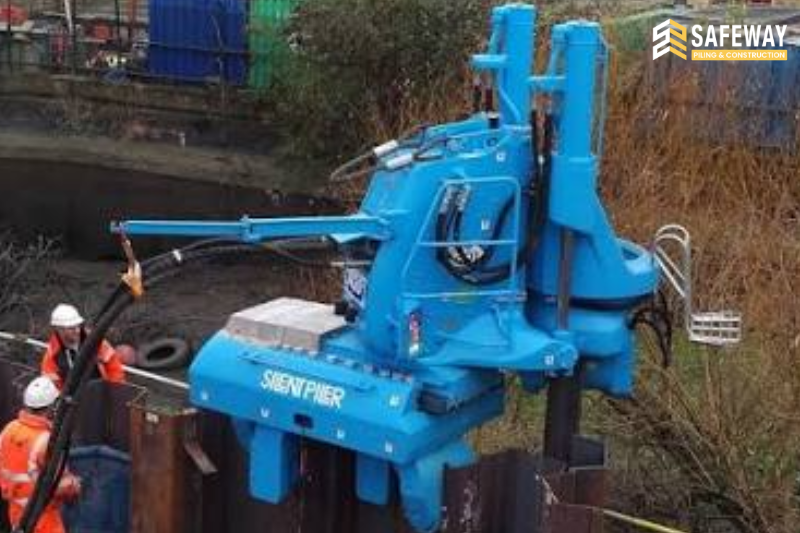
How Safeway Piling & Construction Supports Sheet Pile Projects
Safeway Piling & Construction understands that proper planning is an important part of sheet pile installation. Every project has different requirements, including pile size, lifting needs, site access, and installation methods. Choosing suitable equipment and following safe work procedures can help the team handle sheet piles more carefully. Before starting a project, contractors should check the lifting requirements and make sure the equipment is suitable for the job. Careful preparation can help reduce avoidable problems and keep the work organized.
Conclusion
Sheet Pile Lifting Equipment helps workers lift, move, and position steel sheet piles before silent piler installation. Cranes, lifting clamps, slings, shackles, and other accessories must be suitable for the pile’s weight and size. Contractors should also check site conditions, machine compatibility, and safety requirements before starting work. Proper lifting methods can help prevent accidents, protect sheet piles from damage, and make installation easier. Safeway Piling & Construction recognizes the importance of safe handling and careful planning in sheet pile projects.
Frequently Asked Questions
- What is Sheet Pile Lifting Equipment?
It is the equipment used to lift, move, and position steel sheet piles. Common examples include cranes, lifting clamps, slings, and shackles.
- Why is lifting equipment needed for silent piler installation?
It helps workers move sheet piles into position before the silent piler grips and presses them into the ground.
- Which crane is suitable for lifting sheet piles?
The right crane depends on the pile’s weight and length, the lifting distance, site conditions, and the required lifting capacity.
- How can workers prevent sheet pile damage during lifting?
They should use suitable lifting accessories, follow the approved lifting plan, and avoid sudden movements or rough handling.
- What safety rules should workers follow during sheet pile lifting?
Workers should inspect equipment, secure the load, keep away from suspended piles, use clear signals, and follow the approved lifting plan.
- Can the same lifting equipment be used for every sheet pile?
Not always. Equipment must match the pile’s size, weight, shape, and lifting requirements. The team should check suitability before every lifting operation.