
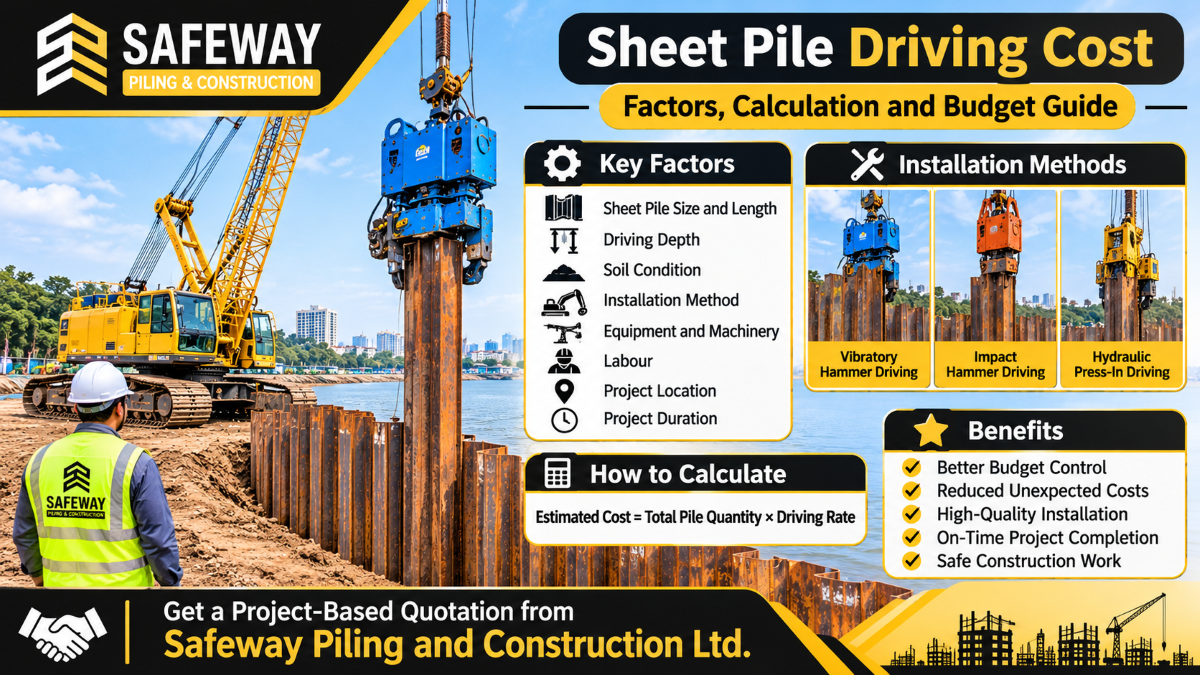
Sheet pile driving cost is an important part of the budget for construction projects involving excavation support, basement construction, foundation work, riverbank protection, and cofferdams. The total cost depends on several factors, including sheet pile size, driving depth, soil condition, installation method, equipment, and labor. Before starting a project, contractors should understand these cost factors to prepare a realistic budget. Choosing the right equipment and driving method can also help reduce unnecessary expenses and avoid delays. Safeway Piling and Construction Ltd. provides sheet pile installation support based on project requirements and site conditions.
What Does Sheet Pile Driving Cost Include?
Sheet pile driving cost generally refers to the expenses involved in driving steel sheet piles into the ground. It mainly covers the machinery, labour, and other resources required to complete the installation work.
Depending on the project agreement, the cost may include:
- Equipment Rental: Charges for vibratory hammers, impact hammers, cranes, and other supporting machinery.
- Labour and Operators: Costs for skilled machine operators, supervisors, and supporting workers.
- Equipment Mobilisation: Expenses for transporting machinery to the construction site and preparing it for operation.
- Driving Work: Charges for operating equipment and driving sheet piles to the required depth.
- Site Preparation: Additional work needed to prepare the working area and provide safe access for machinery.
Contractors should check the quotation carefully to understand which services are included and which expenses may be charged separately.
Factors Affecting Sheet Pile Driving Cost
The cost of driving sheet piles can vary from one project to another. The following factors have a direct effect on the total installation budget.
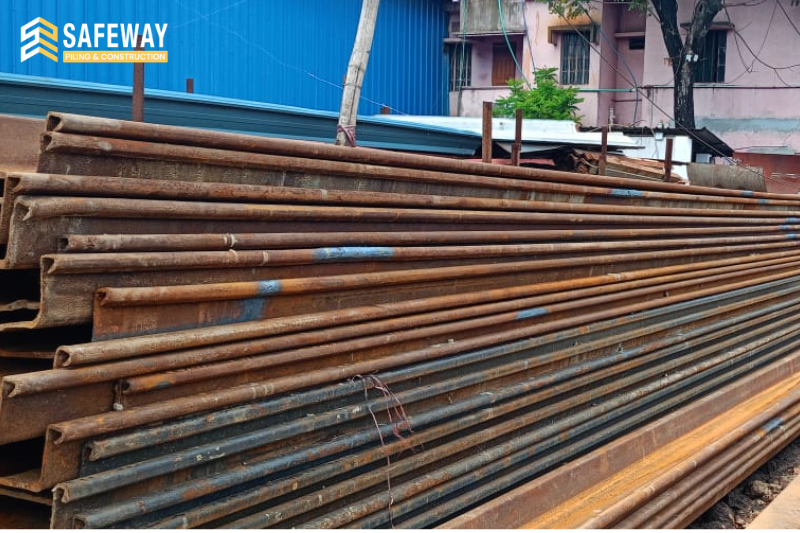
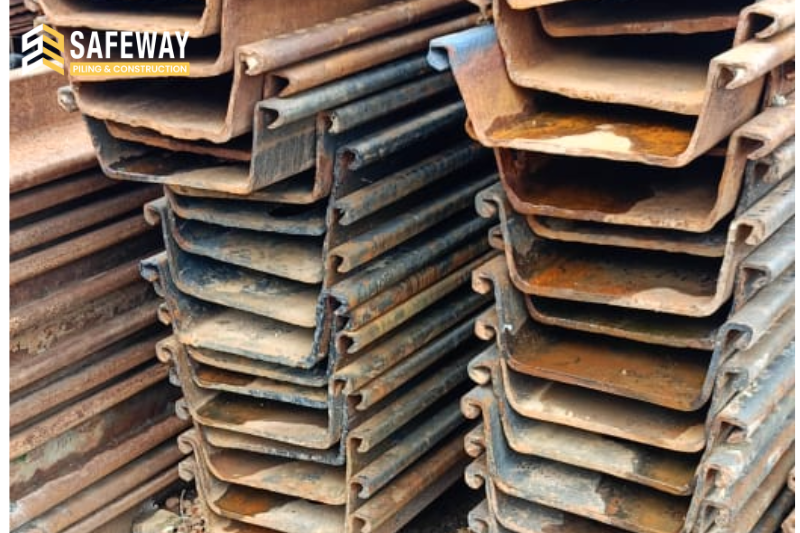
- Sheet Pile Size and Length: Larger and longer sheet piles may require more powerful machinery and additional handling support. This can increase equipment requirements and driving expenses.
- Driving Depth: The required depth is one of the main cost factors. Deeper driving may take more time and require greater machine capacity, which can increase the total cost.
- Soil Condition: Soft soil is generally easier to penetrate than dense sand, stiff clay, gravel, or soil containing hard obstructions. Difficult ground conditions may increase driving time and equipment operating costs.
- Installation Method: Different driving methods require different machinery and operating arrangements. The selected method affects equipment rental, labour requirements, and installation time.
- Equipment Capacity: The hammer and crane must have enough capacity to handle the selected sheet piles and ground conditions. Larger or specialised equipment may increase the project budget.
- Labor Requirements: Skilled operators and experienced workers are needed to handle machinery and maintain proper pile positioning. Labour costs depend on the project size and working hours.
- Project Location: Transportation distance, site accessibility, and equipment movement can affect the overall driving cost. Projects in locations with limited access may require additional arrangements.
- Project Quantity: The number of sheet piles affects the total work volume. Larger projects may allow better equipment utilisation, while smaller projects may have higher mobilisation costs per pile.
- Project Duration: Longer installation periods can increase machinery rental, operator, and labour expenses. Proper scheduling helps reduce unnecessary operating time.
Different Installation Methods and Their Effect on Sheet Pile Driving Cost
The driving method plays an important role in determining the total project budget. Contractors should select a suitable method based on soil conditions, pile specifications, nearby structures, and site requirements.
Vibratory Hammer Driving: This method uses vibration to reduce soil resistance around the sheet pile and help it move into the ground. It is commonly used in suitable soft to medium soil conditions and can reduce installation time. The cost depends on hammer capacity, crane requirements, soil resistance, and machine operating hours.
Impact Hammer Driving: This method uses repeated impact force to drive sheet piles into the ground. It may be suitable when stronger driving force is required or when other methods are not suitable. However, it can produce more noise and vibration. The cost depends on hammer type, driving depth, soil condition, and equipment requirements.
Hydraulic Press-In Driving: This method uses hydraulic pressure to push sheet piles into the ground. It produces much less noise and vibration than conventional impact driving, making it useful near existing buildings and in sensitive urban areas. However, specialised machinery and additional setup may increase the driving cost.
How to Calculate Sheet Pile Driving Cost
Contractors should collect basic project information before estimating the total driving expenses. A simple calculation can help prepare an initial budget.
Estimated Driving Cost = Total Sheet Pile Quantity × Driving Rate
For example:
- Total sheet pile quantity: 100 piles
- Assumed driving rate: BDT 5,000 per pile
Estimated Driving Cost = 100 × 5,000 = BDT 500,000
This is only an example to explain the calculation. The actual rate may vary depending on pile size, driving depth, soil condition, equipment, labour, and project location.
Contractors should also check whether equipment mobilisation, transportation, and other additional charges are included in the quoted rate.
Steps to Estimate Sheet Pile Driving Cost
Following a proper estimation process helps contractors understand their project requirements and prepare a suitable budget.
- Determine the Required Sheet Pile Quantity: Calculate the total number of piles needed for the project. The quantity depends on the wall length, pile width, and required arrangement.
- Confirm the Required Driving Depth: Identify the depth at which each sheet pile must be installed. This information helps determine the required hammer capacity and expected driving time.
- Review the Soil Condition: Check the available soil investigation report to understand ground resistance and possible obstructions. This helps contractors select a suitable driving method.
- Select the Right Equipment: Choose machinery according to the pile specifications, soil condition, and site requirements. Proper equipment selection can help avoid unnecessary operating costs.
- Calculate Labour and Operating Time: Estimate the number of workers, machine operators, and working hours required to complete the installation.
- Request a Detailed Quotation: Share the project details with an experienced contractor and ask for a clear cost breakdown. Confirm whether mobilisation, transportation, and additional services are included.
How to Reduce Sheet Pile Driving Cost
Contractors can manage driving expenses by making proper decisions before starting construction. The aim should be to reduce unnecessary costs without affecting safety or installation quality.
- Choose the Right Sheet Pile: Select suitable pile dimensions and specifications according to the approved design. Using unsuitable piles may increase handling and installation expenses.
- Select Suitable Equipment: Match the hammer capacity with the pile specifications and soil conditions. The right machinery can help reduce unnecessary operating time.
- Check Soil Conditions Before Driving: Review the soil investigation report before selecting the installation method. This helps identify difficult ground conditions and prepare the required equipment.
- Plan Equipment Mobilisation: Arrange machinery transportation and site preparation in advance. Proper planning can reduce delays and unnecessary mobilisation expenses.
- Maintain Proper Work Scheduling: Organise the installation sequence and keep machinery ready for continuous operation where practical. This can help reduce idle time and rental expenses.
- Work with an Experienced Contractor: An experienced installation team can help select suitable equipment, manage driving operations, and avoid common installation problems.
Benefits of Proper Sheet Pile Driving Cost Planning
Proper cost planning helps contractors manage their budget and complete sheet pile installation more efficiently.
- Better Budget Control: Understanding the expected driving expenses helps contractors allocate funds properly and manage project costs.
- Reduced Unexpected Expenses: Reviewing equipment, soil conditions, and site requirements before starting work helps identify possible additional costs.
- Improved Equipment Selection: Proper planning helps contractors choose machinery that matches the project requirements.
- Less Installation Delay: Arranging equipment, labour, and materials in advance helps maintain a better construction schedule.
- Improved Work Quality: Selecting suitable machinery and following proper installation procedures helps maintain pile alignment and installation quality.
- Safer Construction Work: Proper equipment planning and site preparation help create safer working conditions for operators and other workers.
How Safeway Piling and Construction Ltd. Helps Manage Sheet Pile Driving Cost
Choosing the right installation company is important for controlling project expenses and maintaining installation quality. Safeway Piling and Construction Ltd. supports contractors and project owners with sheet pile installation services based on their construction requirements. The company considers important project details such as sheet pile size, driving depth, soil condition, equipment requirements, and site accessibility before planning the work. This helps identify a suitable installation approach and prepare a project-based quotation. Safeway Piling and Construction Ltd. aims to provide competitive rates, dependable service, and practical support for different sheet pile installation requirements. The team can help clients understand their project needs and select a suitable solution for their construction work. For sheet pile driving services, project consultation, or pricing information, contact Safeway Piling and Construction Ltd. to discuss your requirements and request a quotation.
Conclusion
Sheet Pile Driving Cost depends on pile size, driving depth, soil condition, installation method, equipment, labour, and project location. Each construction site has different requirements, so the actual cost should be estimated based on proper project information.
Before starting work, contractors should calculate the required pile quantity, review soil conditions, select suitable machinery, and check all additional expenses. Proper planning can help control costs, reduce delays, and maintain installation quality.
For reliable sheet pile installation support and a project-based quotation, contact Safeway Piling and Construction Ltd.
Frequently Asked Questions
1. What is Sheet Pile Driving Cost?
Sheet pile driving cost refers to the expenses involved in installing steel sheet piles into the ground. It may include machinery, labour, equipment operation, and mobilisation charges.
2. What factors affect sheet pile driving cost?
The main factors include sheet pile size, length, driving depth, soil condition, installation method, equipment capacity, labour, and project location.
3. Is sheet pile driving cost calculated per pile?
It can be calculated per pile, per running meter, or according to the total project scope. The calculation method depends on the contractor’s quotation and work agreement.
4. Which installation method can reduce driving costs?
The suitable method depends on soil conditions, pile specifications, site restrictions, and equipment availability. Vibratory hammer driving can be efficient in suitable ground conditions, but it is not the best choice for every project.
5. How can I get a sheet pile driving quotation?
Share your project location, required pile quantity, pile length, driving depth, and soil information with Safeway Piling and Construction Ltd. These details will help the company understand your requirements and prepare a project-based quotation.