
What Is Sheet Pile Market Price?
Sheet Pile Market Price refers to the selling price of steel sheet piles in the construction market. The price can vary depending on the pile type, thickness, length, weight, steel grade, and current steel market conditions. Suppliers may calculate prices by weight, per pile, or according to the required quantity. Some quotations include transportation and delivery, while others cover only the material cost. Therefore, buyers should check the specifications and included services before comparing prices. Steel sheet piles are widely used in construction projects where workers need to hold soil in place or protect an excavation area. Contractors use them for basement construction, foundation work, riverbank protection, cofferdams, retaining walls, and other infrastructure projects. Their interlocking design helps create a continuous wall that supports the surrounding soil. Before purchasing, engineers should review the project design and select a suitable sheet pile section for the required ground conditions.
What Factors Affect Sheet Pile Market Price?
The market price of sheet piles does not remain the same for every product or project. Several factors affect the sheet pile market price. These factors are given below:
Sheet Pile Type and Profile: Steel sheet piles come in different profiles, including U-type, Z-type, and straight-web sections. Each profile has a different shape, weight, and structural capacity. These differences affect the amount of steel used and the manufacturing cost. The right profile depends on the wall design, soil pressure, and project requirements. Buyers should select a suitable section instead of choosing only by price.
Thickness and Weight: Sheet pile thickness and weight are important factors in determining the material price. Heavier sections generally contain more steel, which can increase the purchase cost. Thicker piles may be necessary for projects that require greater strength or support. However, the required thickness should always follow the engineering design. Choosing the correct specification helps balance material expenses and structural safety.
Pile Length: Sheet pile length can also affect the total purchase price. Longer piles require more steel and may need special arrangements for transportation, lifting, and handling. The required length depends on excavation depth, soil conditions, and the design penetration below ground level. Contractors should confirm the pile length before placing an order. Accurate measurements help avoid material shortages and unnecessary expenses.
Steel Grade and Material Quality: Steel grade affects the strength and performance of sheet piles. Different projects may require different steel properties based on design loads and site conditions. Buyers should check the material specifications and quality documents before purchasing. They should also inspect the piles for visible damage, corrosion, bending, and interlock problems. Good material quality supports reliable installation and long-term performance.
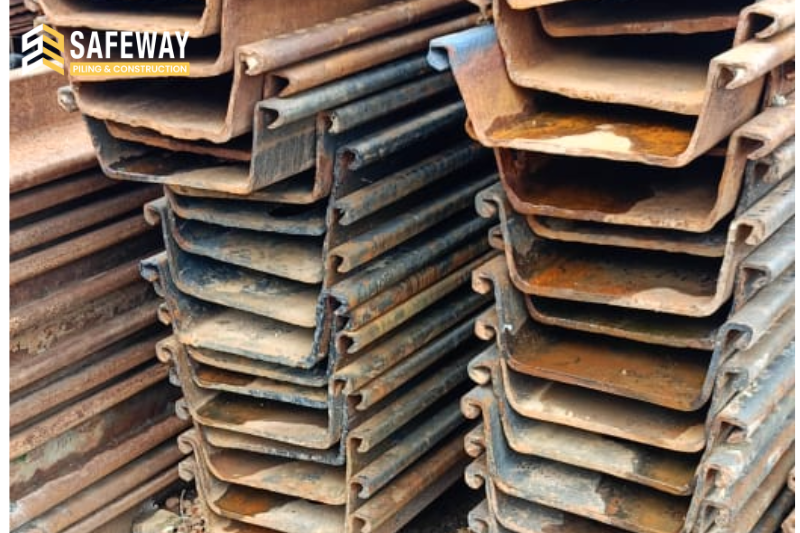
New and Used Sheet Piles: New and used sheet piles may have different market prices. New piles generally come with unused material and a known supply specification. Used piles may cost less, but their condition can vary depending on previous use, storage, and extraction. Buyers should inspect the thickness, straightness, interlocks, and corrosion level before purchasing used piles. The material must still meet the requirements of the intended project.
Steel Market Conditions: Changes in raw steel prices, production costs, import expenses, and supply availability can affect sheet pile prices. Exchange rate changes may also influence the cost of imported materials. These market conditions can cause suppliers to revise their quotations over time. Buyers should request an updated price before confirming an order. A recent quotation gives a clearer idea of the current purchasing cost.
Order Quantity: The required quantity can influence the final purchase quotation. Large orders may allow better planning for transportation, handling, and material supply. Smaller orders may have higher delivery or handling expenses per pile. The actual price arrangement depends on the supplier and product availability. Buyers should provide the estimated quantity and project specifications when requesting a quotation.
Sheet Pile Market Price for Different Types of Sheet Piles
Understanding the different sheet pile types helps buyers compare material specifications and understand price differences.
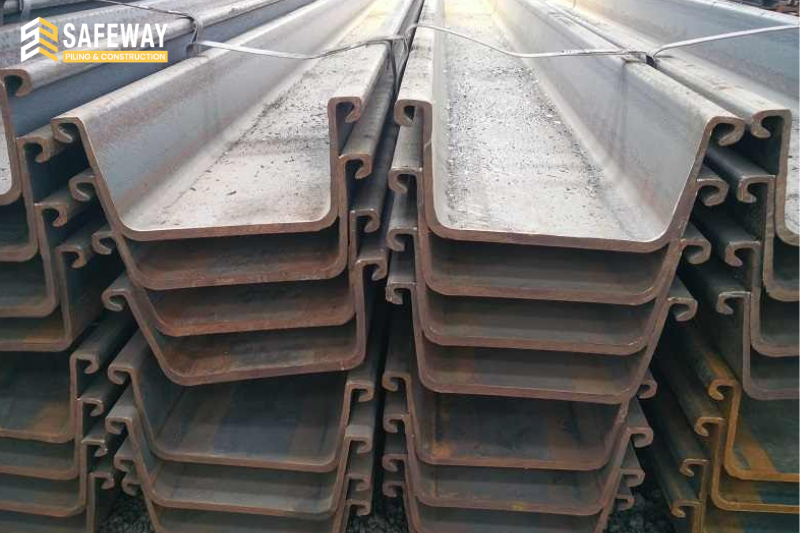
U-Type Sheet Piles: U-type sheet piles have a U-shaped profile and are commonly used for retaining walls and temporary excavation support. Their interlocking edges connect individual sections to form a continuous wall. Engineers select the required section based on bending strength and project design. The price depends on the section size, thickness, weight, and material specification.
Z-Type Sheet Piles: Z-type sheet piles have a Z-shaped profile and are often used for retaining walls that require higher bending resistance. Their shape helps distribute structural forces through the connected wall. These piles are suitable for different temporary and permanent construction applications. Buyers should compare their weight and technical specifications before checking the market price.
Straight-Web Sheet Piles: Straight-web sheet piles have a relatively flat profile and are commonly used in applications where the connected sections need to resist tensile forces. They may be suitable for certain cellular structures and special engineering projects. Their use depends on the design and connection requirements. Engineers should confirm their suitability before selecting them for a project.
How to Compare Sheet Pile Market Price Before Buying
Comparing quotations helps contractors understand whether a supplier offers suitable materials and services. However, buyers should compare the same specifications to make a fair decision.
Check the Technical Specifications: Review the pile profile, thickness, length, weight, and steel grade in each quotation. Even small differences in specifications can change the price. Make sure the supplier offers materials that match the project design. This helps prevent problems when the piles arrive at the site.
Compare the Price Calculation Method: Suppliers may quote sheet piles by weight, per pile, or according to another agreed unit. Buyers should confirm the calculation method and check the total quantity. They should also ask whether the quoted price includes any additional charges. Understanding the pricing method makes it easier to compare different offers.
Review Material Condition: Inspect new or used sheet piles before making a purchase decision. Check for bending, corrosion, damaged edges, and interlock problems. Used piles need particular attention because their previous working condition may affect their suitability. Material inspection helps buyers avoid unexpected repair or replacement expenses.
Check Delivery and Other Services: A quotation may cover material supply only or include transportation and delivery to the project site. Some suppliers may also provide handling support or installation-related services. Buyers should confirm the complete scope before comparing prices. This helps them understand the actual cost of getting the materials ready for use.
Sheet Pile Market Price: New vs. Used Sheet Piles
Buyers often compare new and used sheet piles when planning construction expenses. Both options may be suitable, depending on the project requirements, available budget, and material condition.
New Sheet Piles: New sheet piles have not been used in previous construction projects. Buyers can check their specifications and condition before installation. They may be a suitable choice for projects that require specific material properties or long-term use. Their purchase price may be higher than that of used piles, depending on the product and market conditions.
Used Sheet Piles: Used sheet piles can help reduce initial material expenses when they remain in suitable condition. However, their previous use may have caused corrosion, bending, damaged interlocks, or reduced thickness. Buyers should arrange a proper inspection before purchasing them. Engineers should confirm that the piles meet the design requirements of the new project.
Additional Expenses That Affect Sheet Pile Market Price
The sheet pile market price does not always cover the full project cost. Buyers should also consider transportation, storage, installation, and extraction expenses when preparing their budget.
Transportation and Delivery: Sheet piles need suitable vehicles for delivery from the supplier to the project site. Transportation costs depend on pile length, quantity, delivery distance, and vehicle requirements. Longer piles may need special transport arrangements, which can increase expenses. Buyers should confirm whether delivery is included in the quoted sheet pile market price or charged separately. Proper delivery planning also helps prevent project delays.
Loading and Unloading: Sheet piles require proper lifting arrangements during loading and unloading. Depending on their size and weight, contractors may need cranes or other lifting equipment. These activities can add to the total material handling cost. Buyers should check whether the supplier includes loading and unloading services in the quotation. Safe handling also helps prevent bending, damage, and unnecessary material loss.
Storage and Handling: Sheet piles should be stored in a suitable area before installation. Poor storage conditions may lead to handling problems, material damage, or additional work before use. Contractors should arrange a stable storage area and follow proper stacking practices. They should also keep the piles in a condition that allows easy inspection and movement. Good material management helps protect the investment and avoid extra expenses.
Installation and Extraction: If the project requires sheet pile installation, contractors should include machinery, labour, and equipment costs in the budget. Temporary projects may also require pile extraction after construction. These services are not always included in the material purchase price. Buyers should confirm the installation and extraction costs before finalizing the quotation. Clear cost planning helps them understand the complete project expense.
How to Get a Suitable Sheet Pile Market Price for Your Project
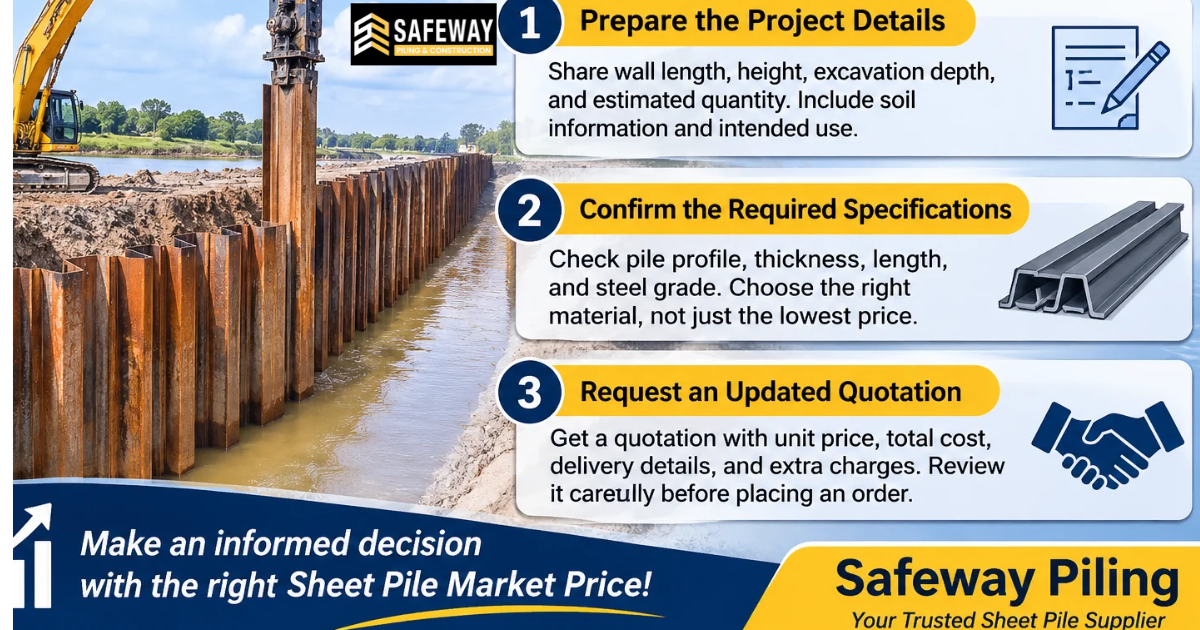
Getting a suitable Sheet Pile Market Price requires selecting the right material and understanding the complete project requirements. Buyers should check the pile specifications, required quantity, and additional expenses before requesting a quotation. A few practical steps can help them compare supplier offers and make a better purchasing decision.
Prepare the Project Details: Share the required wall length, height, excavation depth, and estimated pile quantity with the supplier. Include available soil information and explain the intended application. These details help suppliers understand the project requirements and recommend suitable materials. Accurate information also helps them prepare a more appropriate quotation.
Confirm the Required Specifications: Ask the project engineer to confirm the pile profile, thickness, length, and steel grade. Do not select sheet piles only because their market price is lower. The material must meet the structural design, soil conditions, and site requirements. Checking the specifications before ordering can help avoid material mismatches and additional expenses.
Request an Updated Quotation: Contact suppliers with the confirmed specifications and required quantity. Ask them to provide the unit price, total material cost, delivery details, and any applicable additional charges. Since the Sheet Pile Market Price may change with market conditions, request an updated quotation before placing an order. Review the quotation carefully to understand the complete cost before making a final decision.
Sheet Pile Market Price and Supply Support from Safeway Piling
Safeway Piling provides sheet pile supply and project support for different construction requirements. The company works with contractors, consultants, and project owners who need sheet piles for excavation support, basement construction, foundation work, riverbank protection, and other infrastructure projects. Sheet Pile Market Price depends on the selected pile specifications, material condition, required quantity, and delivery arrangements. Safeway Piling understands that every project has different needs. The company helps customers discuss their material requirements and find suitable sheet pile solutions based on project specifications. Customers can share their project details to request a quotation and understand the available supply options.
For sheet pile supply, project consultation, or pricing information, contact Safeway Piling to discuss your requirements and request a quotation.
Conclusion
Sheet Pile Market Price depends on several factors, including pile type, thickness, length, steel grade, material condition, order quantity, and current market conditions. Transportation, handling, installation, and extraction may also affect the total project budget. Buyers should compare quotations based on the same specifications instead of choosing only the lowest price. Proper material inspection and technical selection help avoid unnecessary expenses and construction problems. Safeway Piling can support contractors and project owners with sheet pile supply and project-based solutions.
Frequently Asked Questions (FAQs)
What affects Sheet Pile Market Price?
The main factors include sheet pile type, thickness, length, weight, steel grade, material condition, order quantity, and current steel market conditions.
Are new sheet piles more expensive than used sheet piles?
New sheet piles may have a higher purchase price because they have not been used before. Used piles may cost less, but buyers should inspect their condition and confirm that they meet project requirements.
How do suppliers calculate sheet pile prices?
Suppliers may calculate prices by weight, per pile, or according to an agreed unit. The calculation depends on the product specifications and quotation terms.
Does the sheet pile price include transportation?
Not always. Some quotations include delivery, while others cover only the material price. Buyers should confirm transportation and handling charges before placing an order.
How can I get an updated sheet pile quotation?
Share your required pile type, thickness, length, quantity, and project details with the supplier. Ask for an updated quotation that clearly shows the material price and any additional charges.
Why should I check sheet pile quality before buying?
Material quality affects installation and structural performance. Checking thickness, straightness, corrosion, and interlocks helps buyers identify damaged piles before purchasing them.