
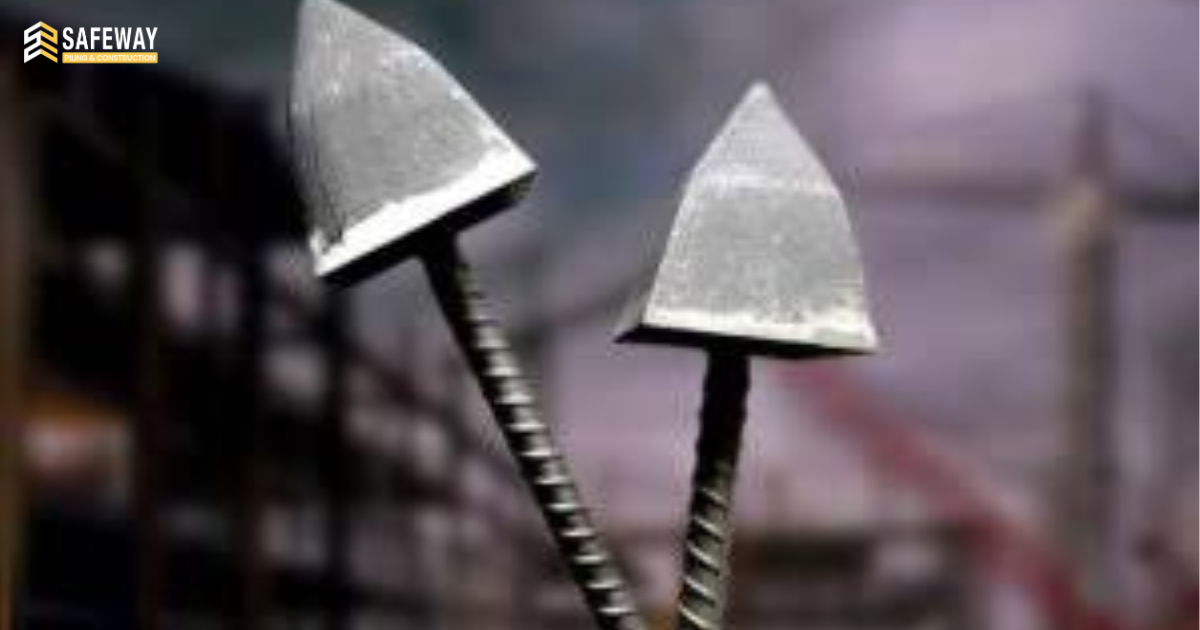
Precast Pile Shoe Manufacturing and Supply plays an important role in foundation construction projects that use precast concrete piles. A pile shoe is a steel or cast-metal component fitted to the toe of a pile when the design or ground conditions require additional protection. It helps protect the pile tip during driving and supports proper installation when designed and fitted correctly. Pile shoes are used in building foundations, bridges, industrial structures, infrastructure projects, and other piling works. The correct shoe depends on the pile dimensions, soil conditions, installation method, and approved design drawings. Proper material selection, fabrication, welding, inspection, and supply planning help improve the quality and reliability of the finished component.
Safeway Piling supports piling-related project requirements. Contractors and project owners should confirm the availability, specifications, and supply arrangements for the required pile shoe before placing an order.
What Is a Precast Pile Shoe?
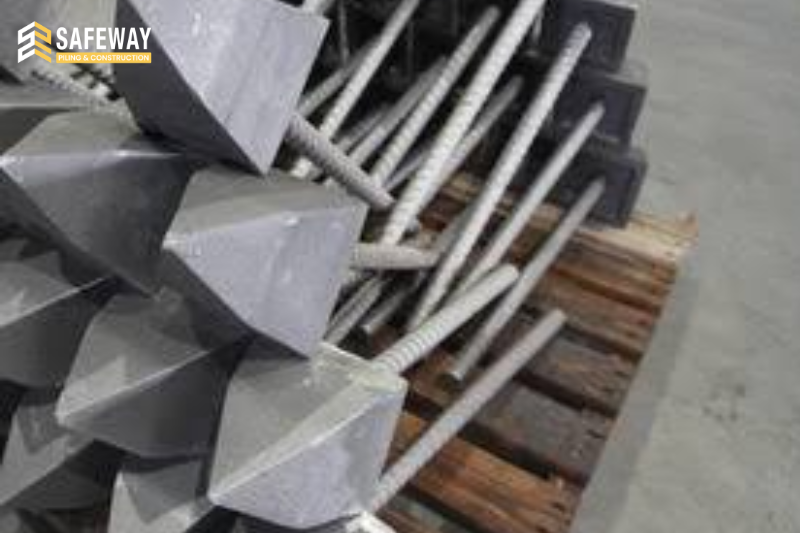
A precast pile shoe is a specially shaped component attached to the bottom end of a precast concrete pile. Depending on the approved design, it may use fabricated steel, cast steel, or cast iron. The shoe protects the pile toe and can help the pile penetrate the ground during driving. The shape and material depend on the pile type and the expected ground conditions. Some projects use flat shoes, while others require pointed or specially shaped shoes for particular installation conditions. The engineer should approve the design and dimensions before manufacturing or supply.
Why Is Precast Pile Shoe Manufacturing and Supply Important?
Good manufacturing and supply practices help ensure that the pile shoe matches the approved drawings and fits the precast pile correctly. Incorrect dimensions, weak welds, poor materials, or improper alignment can create installation problems and may damage the pile during driving.
Main Benefits Include:
- Pile Toe Protection: A properly designed shoe helps protect the pile tip against damage during installation.
- Better Fit: Correct dimensions help the shoe fit the pile and reinforcement arrangement shown in the drawings.
- Reliable Fabrication: Suitable materials and controlled welding help produce a dependable component.
- Installation Support: A shoe designed for the ground conditions can support the planned pile-driving method.
- Quality Control: Inspection helps identify dimensional problems, visible defects, and welding issues before delivery.
- Project Planning: Timely supply helps contractors organize pile installation and reduce avoidable delays.
Types of Precast Pile Shoes
Different pile shoes serve different project requirements. The engineer should select the suitable type according to the pile design, soil profile, and installation method.
- Flat Pile Shoe: A flat shoe protects the pile toe where a pointed profile is not required by the approved design.
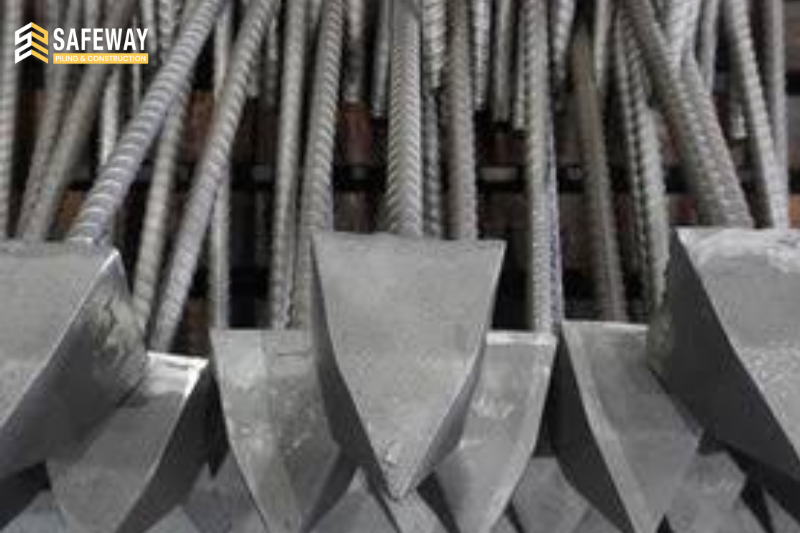
- Pointed Steel Pile Shoe: A pointed fabricated steel shoe can help the pile enter the ground, depending on the design and soil conditions.
- Cast Iron Pile Shoe: A cast iron shoe may be specified for particular pile types and installation conditions.
- Cast Steel Pile Shoe: A cast steel shoe can be used when the approved design calls for a cast metal component.
- Specialized Rock or Hard-Ground Shoe: A specially shaped shoe may be required for difficult ground conditions, but the engineer must select it based on the project design and ground investigation.
Not every pile requires a metal shoe. The approved drawings and project specifications should determine whether a shoe is needed and which type is suitable.
Materials Used in Precast Pile Shoe Manufacturing
The selected material must meet the design requirements and applicable project specifications. The material choice affects fabrication, welding, durability, and the shoe’s performance during installation.
- Mild Steel Plate: Fabricated pile shoes may use steel plate of the grade and thickness specified in the approved drawings.
- Steel Bars: Reinforcing or connecting bars may be used where the design requires them to connect the shoe with the pile reinforcement.
- Cast Steel: Cast steel may be used for pile shoes designed and specified as cast components.
- Cast Iron: Cast iron may be suitable for certain shoe designs where the required material properties and standards are met.
- Welding Consumables: Suitable welding consumables are required for fabricated steel shoes, following the approved welding procedure.
- Protective Coating: A specified coating may be used where required by the project. The coating must not interfere with the shoe’s fit or connection.
The exact material grade, thickness, and connection details must come from the approved design and applicable specifications rather than a general recommendation.
Precast Pile Shoe Manufacturing Process
Manufacturing requires careful attention to drawings, material quality, dimensions, and welding. The following steps describe a typical fabrication process for a steel pile shoe. Cast shoes may require a different production process.
Step 1: Review the Design Drawing: Review the approved drawings to confirm the shoe shape, dimensions, plate thickness, material grade, connection details, and pile size before fabrication begins.
Step 2: Select the Materials: Select steel plates, bars, and other components that meet the specified grade and dimensions. Check material documents and inspect the materials for visible damage.
Step 3: Measure and Mark the Steel: Mark the cutting lines according to the approved drawing. Accurate marking helps reduce material waste and prevents dimensional errors during fabrication.
Step 4: Cut the Components: Cut the steel plates and bars using suitable equipment. Check the cut pieces to ensure they match the required dimensions and do not have defects that affect fabrication.
Step 5: Shape the Shoe: Shape the cut components into the specified profile. The fabricator should follow the drawing rather than changing the shoe angle or shape without approval.
Step 6: Fit the Components: Position the plates and bars according to the design. Check alignment and fit-up before welding to prevent incorrect dimensions or an off-centre shoe.
Step 7: Weld the Components: Weld the components using the approved welding procedure and suitable consumables. Welding should be carried out by qualified personnel where required by the project specification.
Step 8: Inspect the Welds: Inspect the completed welds for visible defects such as cracks, undercut, incomplete fusion, or other unacceptable conditions. Additional testing should be performed when required by the approved inspection plan.
Step 9: Check Dimensions and Alignment: Measure the finished shoe and verify its profile, length, width, thickness, and alignment against the approved drawing. Confirm that the shoe can fit the intended pile arrangement.
Step 10: Prepare for Delivery: After the required inspections are complete, identify and record the batch or component details where required. Protect the shoe from damage during storage, handling, and transportation.
Factors That Affect Precast Pile Shoe Manufacturing and Supply
Several factors influence the manufacturing requirements, delivery schedule, and overall cost of pile shoes.
1. Pile Size: The pile’s cross-section and dimensions affect the shoe’s shape and size. A shoe for a square pile may require a different design from one for a circular pile.
2. Shoe Design: Flat, pointed, cast, and specialized shoes may require different materials and fabrication processes. Complex designs can require additional cutting, shaping, and inspection.
3. Material Grade: The required steel or cast-metal grade affects material selection and purchasing costs. The specified grade should not be changed without approval.
4. Plate Thickness: The required thickness depends on the design and expected installation conditions. The fabricator should follow the drawing rather than selecting thickness based only on price.
5. Welding Requirements: The number and type of welds, access to the joints, and inspection requirements affect fabrication time and quality-control work.
6. Order Quantity: Larger orders may require more materials and production planning. The final price may also depend on batch size and delivery arrangements.
7. Quality Inspection: Dimensional checks, material verification, and any specified weld testing can affect production time and cost.
8. Delivery Location: Transportation distance, unloading arrangements, and site access can affect the delivery plan.
9. Project Schedule: Urgent orders may require different production and transport arrangements. Buyers should confirm lead times before planning pile installation.
10. Approved Specifications: Project-specific drawings, standards, and inspection requirements determine the actual manufacturing and supply scope.
Quality Control During Pile Shoe Manufacturing
Quality control helps confirm that each shoe meets the approved design before it reaches the construction site. Checks should cover materials, dimensions, welding, fit, and identification where required by the project.
Important Quality Checks Include:
- Material Verification: Confirm that the supplied steel or cast metal matches the required grade and project documents.
- Dimensional Inspection: Measure the shoe and compare it with the approved drawings.
- Visual Weld Inspection: Check accessible welds for visible defects and unacceptable workmanship.
- Alignment Check: Verify that the shoe is centred and aligned as required for the intended pile.
- Surface Inspection: Look for cracks, major deformation, corrosion, or other visible damage.
- Documentation: Keep inspection records, material certificates, and batch details when required by the contract or quality plan.
Acceptance criteria should follow the project specifications and the engineer’s approved inspection plan. A visual check alone does not replace additional tests when the specification requires them.
How to Choose a Precast Pile Shoe Supplier
Selecting a suitable supplier is important for meeting project requirements and keeping foundation work on schedule. Buyers should compare technical compliance and supply arrangements rather than selecting a product on price alone.
1. Check Design Compliance: Make sure the supplier can provide a shoe that matches the approved drawing, pile dimensions, and required connection details.
2. Confirm Material Specifications: Ask for the required material grade, thickness, and supporting documents where applicable.
3. Review Fabrication Quality: Ask how the supplier checks dimensions, fit-up, and weld quality before delivery.
4. Confirm Quantity and Lead Time: Share the order quantity and required delivery date so the supplier can confirm whether the schedule is practical.
5. Discuss Transportation: Confirm delivery location, unloading responsibilities, packaging, and protection during transit.
6. Request a Detailed Quotation: Ask the supplier to state the specifications, quantity, unit price, delivery charges, applicable taxes, and any inspection requirements.
7. Coordinate With the Engineer: Confirm that the proposed shoe meets the project design before ordering or installation.
Applications of Precast Pile Shoes
Precast pile shoes may be used in projects that use driven precast concrete piles and require toe protection or a specified shoe profile.
- Building Foundations: Used where precast piles support residential or commercial building foundations.
- Industrial Structures: May be specified for factories, warehouses, and other industrial facilities.
- Bridge Foundations: Used when the approved bridge pile design requires a shoe at the pile toe.
- Infrastructure Projects: May form part of piling systems for roads and other civil engineering works.
- Waterfront and River Projects: Used where the pile design and ground conditions call for toe protection.
- Special Ground Conditions: A particular shoe type may be specified where the soil profile or installation method requires it.
The project engineer should determine whether a pile shoe is necessary for each application.
Common Mistakes to Avoid
Small errors during manufacturing or ordering can cause delays and installation problems.
- Ordering Without Approved Drawings: Missing or outdated drawings can result in shoes that do not fit the pile.
- Using the Wrong Material: Substituting material without approval can affect compliance and performance.
- Ignoring Weld Quality: Defective welds can compromise the component and may lead to rejection.
- Skipping Dimensional Checks: Incorrect dimensions or alignment may prevent proper fitting.
- Choosing Only by Price: A low price does not guarantee compliance with the required specifications.
- Poor Delivery Planning: Inadequate packaging or late delivery can disrupt the piling schedule.
- Ignoring Engineer Approval: Pile shoe details should be approved before fabrication or supply where the project specifications require it.
Precast Pile Shoe Manufacturing and Supply by Safeway Piling
Safeway Piling can be contacted to discuss pile shoe requirements for precast piling projects. Before confirming an order, project owners and contractors should share the approved drawings, pile dimensions, required material specifications, order quantity, and delivery schedule.
The required supply arrangement should be confirmed directly with Safeway Piling. Buyers should also verify product availability, fabrication capability, inspection documents, and delivery lead time before placing an order. This helps ensure that the supplied components match the project requirements.
How to Estimate Precast Pile Shoe Cost
The cost of a precast pile shoe depends on the component design and the order requirements. A reliable estimate needs the approved specifications and quantity.
1. Confirm the Shoe Type: Identify whether the project requires a flat, pointed, cast, or specialized shoe.
2. Check Dimensions and Material: Provide the required dimensions, material grade, plate thickness, and connection details.
3. Confirm the Quantity: State the number of shoes required and whether the project needs one batch or several deliveries.
4. Include Inspection Requirements: Specify any material certificates, weld inspections, or other checks required by the project.
5. Add Delivery Costs: Confirm the delivery location, unloading arrangements, and transportation charges.
6. Request a Written Quotation: Ask for a clear breakdown of the price, delivery terms, lead time, and any additional services.
A current unit price should be confirmed with the supplier because costs vary with material prices, design, order quantity, and delivery requirements.
Safety During Pile Shoe Manufacturing and Handling
Pile shoe fabrication and handling involve sharp steel edges, heavy components, cutting equipment, and welding operations. Suitable safety procedures help protect workers and reduce damage to finished products.
- Use Personal Protective Equipment: Workers should wear the required eye, hand, foot, and body protection for the task.
- Control Cutting and Welding Hazards: Follow approved procedures and provide suitable ventilation, fire prevention, and equipment controls.
- Handle Components Safely: Use suitable lifting equipment and keep workers clear of suspended loads.
- Store Materials Properly: Place steel plates and finished shoes on stable supports to prevent slipping or falling.
- Inspect Tools and Equipment: Check cutting tools, welding machines, lifting accessories, and other equipment before use.
- Protect Finished Shoes: Store and transport components so that they do not become bent, damaged, or contaminated.
Why Consider Safeway Piling for Piling Project Support?
Safeway Piling can be contacted for information about piling-related products and project requirements. Before choosing a supplier, contractors should confirm the available services and technical details directly with the company.
Points to Confirm With Safeway Piling Include:
- Product Availability: Confirm whether the required pile shoe type and quantity are available.
- Technical Requirements: Share the approved drawings and ask whether the proposed component can meet the project specifications.
- Quality Documents: Confirm which inspection records and material documents can be provided.
- Delivery Schedule: Discuss the required delivery date and transportation arrangements.
- Quotation Details: Request a written quotation covering the agreed specifications, quantity, and supply terms.
Contact Safeway Piling for Precast Pile Shoe Requirements
If your project requires precast pile shoes, prepare the approved drawings, pile dimensions, material specifications, quantity, and delivery location before requesting a quotation. This information helps the supplier review the requirements and respond more accurately.
Contact Safeway Piling to confirm product availability, technical requirements, supply arrangements, and pricing for your project.
Conclusion
Precast Pile Shoe Manufacturing and Supply requires careful design review, material selection, fabrication, welding, dimensional inspection, and delivery planning. The correct shoe should match the approved pile design and the installation conditions. Quality checks help identify problems before the components reach the site. Safeway Piling can be contacted to discuss piling project requirements and confirm the availability of suitable products or supply support. Always obtain approval for the pile shoe design and verify the specifications before ordering.
Frequently Asked Questions
1. What is a precast pile shoe?
A precast pile shoe is a steel or cast-metal component fitted to the toe of a precast concrete pile when required by the design. It helps protect the pile tip during installation.
2. What materials are used to manufacture pile shoes?
Depending on the design, pile shoes may use fabricated steel, cast steel, or cast iron. The material grade and dimensions should follow the approved project specifications.
3. What are the common types of pile shoes?
Common types include flat, pointed steel, cast iron, cast steel, and specialized shoes for particular ground conditions. The engineer should select the suitable type.
4. Why is welding inspection important?
Welding inspection helps identify visible defects and confirms that the fabricated component meets the specified workmanship requirements. Additional testing may be necessary if the project specification requires it.
5. What information is needed to order a pile shoe?
Provide the approved drawing, pile dimensions, shoe type, material grade, plate thickness, quantity, inspection requirements, and delivery location.
6. What affects precast pile shoe cost?
Cost depends on material, dimensions, design complexity, fabrication and welding requirements, order quantity, inspection needs, and transportation.
7. Does every precast concrete pile need a pile shoe?
No. The need for a pile shoe depends on the approved pile design, ground conditions, and installation requirements.
8. How can I check pile shoe quality before delivery?
Check the material documents, dimensions, alignment, visible weld condition, surface condition, and required inspection records against the project specifications.
9. Can a pile shoe design be changed to reduce cost?
Any design change must be reviewed and approved by the responsible engineer before fabrication. Changing material, thickness, or shape without approval may affect compliance and performance.
10. How can I contact Safeway Piling about pile shoe supply?
Prepare the project drawings, dimensions, quantity, and delivery requirements, then contact Safeway Piling directly to confirm product availability, specifications, and quotation details.