
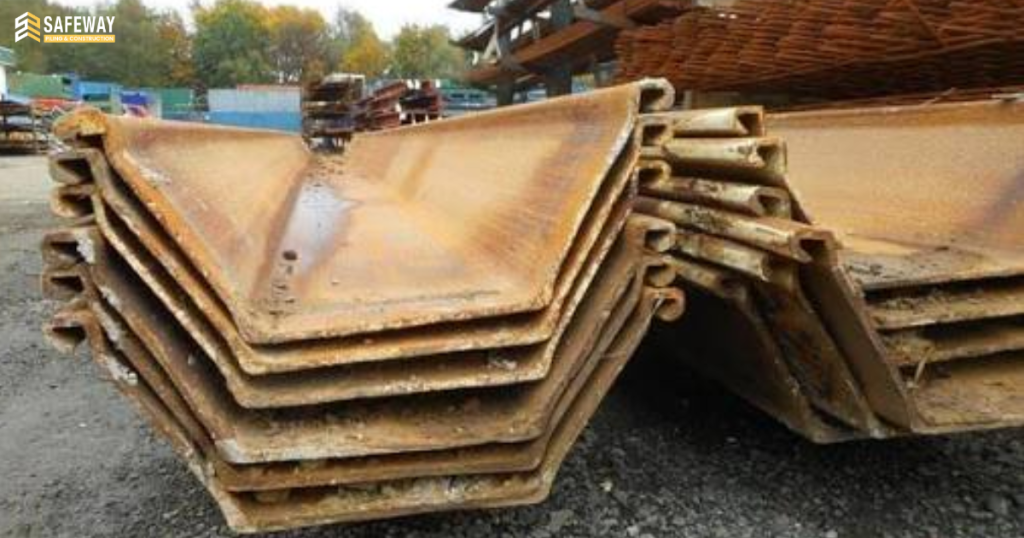
What is a sheet pile for Deep Excavation, and Why Is It Important in Construction Projects?
Sheet pile for deep excavation is a construction method that uses interlocking steel sheet piles to support soil and control groundwater during deep excavation work. These sheet piles create a continuous retaining wall that keeps the excavation stable and protects nearby buildings, roads, and underground utilities. This method is widely used for basement construction, bridge foundations, tunnels, retaining walls, and marine projects.
The importance of sheet piles for deep excavation lies in their ability to prevent soil collapse, reduce water seepage, and provide a safe working environment. Without proper sheet pile support, deep excavation projects may face unstable soil conditions, flooding, structural damage, and costly construction delays. Safeway Piling & Construction provides professional sheet pile solutions that improve safety, efficiency, and long-term project performance.
Where Is Sheet Pile for Deep Excavation Used?
Sheet pile systems are used in many construction projects that require strong temporary or permanent excavation support.
- Basement Construction: Sheet piles provide strong soil support during deep basement excavation and protect nearby buildings from ground movement.
- Bridge Foundations: They stabilize the surrounding soil and create a safe working area for bridge foundation construction.
- Underground Parking: Sheet piles support deep excavation for parking structures and prevent soil collapse during construction.
- Tunnel Construction: They provide temporary retaining walls that improve safety during tunnel excavation.
- Industrial Projects: Factories, warehouses, and power plants use sheet piles to support deep foundations and underground structures.
- Marine Construction: Ports, seawalls, cofferdams, and waterfront projects use sheet piles to control soil and water during excavation.
What Types of Sheet Piles Are Used for Deep Excavation?
Different projects require different sheet pile sections depending on soil conditions, excavation depth, and structural requirements.
- Steel Sheet Piles: Steel sheet piles are the most common choice because they provide high strength, durability, and excellent resistance to soil and water pressure.
- U-Type Sheet Piles: U-type sheet piles offer strong interlocking connections and are widely used for basement construction, retaining walls, and cofferdams.
- Z-Type Sheet Piles: Z-type sheet piles provide high bending strength and are suitable for large infrastructure, bridge, and marine construction projects.
- Straight Web Sheet Piles: Straight web sheet piles provide excellent water resistance and are commonly used for waterfront structures and marine applications.
- Cold-Formed Sheet Piles: Cold-formed sheet piles are lightweight and cost-effective. They are suitable for small and medium-sized excavation projects.
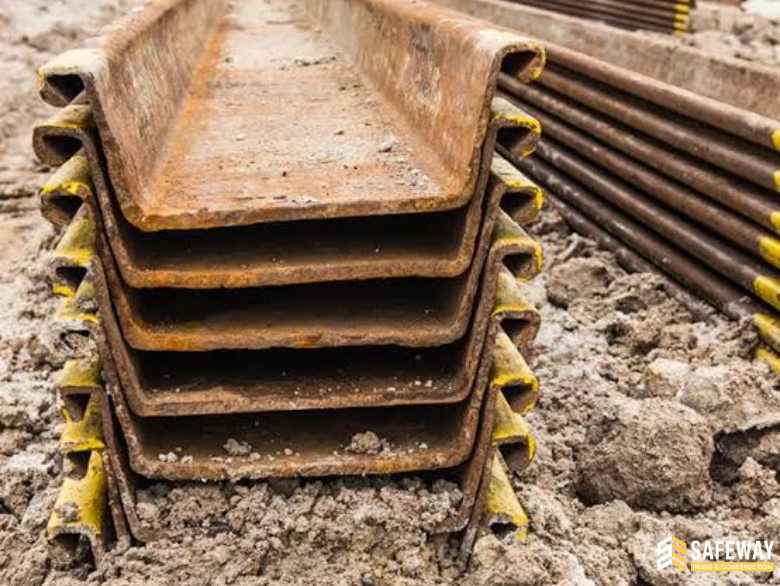
What Equipment is Commonly Used for Sheet Pile for Deep Excavation?
Deep excavation projects require specialized equipment to ensure safe, accurate, and efficient sheet pile installation. The equipment used depends on the soil condition, excavation depth, and installation method. Safeway Piling & Construction uses modern equipment to deliver reliable and high-quality construction solutions.
- Vibratory Hammer: A vibratory hammer is the most commonly used equipment for sheet pile installation. It creates vertical vibrations that reduce soil resistance and allow the sheet pile to enter the ground quickly.
- Hydraulic Hammer: Hydraulic hammers provide a strong driving force for hard soil and dense ground conditions. They are commonly used when vibratory hammers cannot achieve the required depth.
- Hydraulic Press-in Machine: Hydraulic press-in machines push sheet piles into the ground with very little noise and vibration. They are suitable for projects located near buildings, hospitals, and residential areas.
- Crane: Cranes lift, position, and guide sheet piles during installation. They help operators place each sheet pile accurately before driving begins.
- Excavator: Excavators prepare the construction site, assist with alignment, and support the installation process. They also help remove soil during excavation.
How is a sheet pile for deep excavation installed?
Proper installation is essential for achieving a stable and safe excavation. Engineers follow a planned process to ensure the sheet piles meet project requirements.
1. Site Investigation
A detailed site investigation helps engineers understand the ground conditions before construction begins. Proper planning reduces risks and improves installation quality. Site investigation includes-
- Soil testing
- Groundwater assessment
- Site measurements
- Utility inspection
- Nearby building assessment
2. Selecting the Right Sheet Pile
Engineers choose the sheet pile based on excavation depth, soil condition, groundwater level, and structural requirements. The correct selection improves safety and long-term performance. Selection factors-
- Soil condition
- Excavation depth
- Wall height
- Water pressure
- Project budget
3. Preparing the Construction Site
The construction site is prepared before installation begins. Proper preparation improves safety and allows equipment to operate efficiently. Site preparation includes-
- Clearing the work area
- Marking pile locations
- Arranging equipment
- Material inspection
- Safety checks
4. Installing the Sheet Piles
Engineers install the sheet piles using suitable equipment based on the project requirements. Proper alignment ensures the retaining wall remains strong and stable. Installation equipment-
- Vibratory hammer
- Hydraulic hammer
- Hydraulic press-in machine
- Crane
- Excavator
5. Monitoring the Installation
Engineers inspect the installation process to ensure every sheet pile is correctly positioned and driven to the required depth. Regular inspections help maintain quality and project safety. Monitoring includes-
- Vertical alignment
- Installation depth
- Equipment performance
- Quality inspection
- Safety inspection
What are the Advantages of Sheet Pile for Deep Excavation?
Using a sheet pile for deep excavation provides many important benefits for construction projects.
- Improves Safety: Sheet piles prevent soil collapse and create a safe working environment during deep excavation.
- Controls Groundwater: They reduce water seepage and help keep the excavation area dry.
- Protects Nearby Structures: Sheet piles minimize soil movement and reduce the risk of damage to nearby buildings and roads.
- Supports Deep Excavation: They provide reliable support for deep foundations, basements, tunnels, and underground structures.
- Speeds Up Construction: Fast installation helps contractors complete excavation work more efficiently.
- Reduces Overall Costs: Proper sheet pile support lowers the risk of delays, repairs, and unexpected construction expenses.
What Factors Affect the Performance of Sheet Pile for Deep Excavation?
Several factors influence the performance of a sheet pile system during deep excavation. Engineers evaluate these factors before installation to ensure the retaining wall remains safe, stable, and durable throughout the project.
- Soil Condition: Soil type is one of the most important factors in sheet pile performance. Soft clay, sand, gravel, and rocky soil all require different installation methods and sheet pile designs.
- Excavation Depth: Deeper excavations create higher soil pressure on the retaining wall. Engineers calculate the required sheet pile length and embedment depth to maintain stability.
- Groundwater Level: A high groundwater level increases water pressure on the sheet pile wall. Proper drainage or dewatering methods help improve wall performance and construction safety.
- Sheet Pile Type: Choosing the correct sheet pile section improves strength, stability, and durability. Engineers select the most suitable type according to the project requirements.
- Installation Method: The installation method affects wall alignment, strength, and overall performance. Using the correct equipment helps ensure accurate and efficient installation.
What Safety Considerations Should Be Followed During Deep Excavation?
Safety is an important part of every sheet pile project. Proper safety planning protects workers, nearby structures, and construction equipment throughout the excavation process.
- Wear Personal Protective Equipment: Workers should wear helmets, safety boots, gloves, reflective vests, and other protective equipment before entering the construction site.
- Inspect Equipment Regularly: Engineers should inspect vibratory hammers, cranes, hydraulic machines, and lifting equipment before operation to reduce the risk of equipment failure.
- Prepare the Work Area: The work area should remain clean, organized, and free from unnecessary obstacles. A properly prepared site improves safety and productivity.
- Monitor Sheet Pile Alignment: Regular inspections help ensure sheet piles remain properly aligned during installation. Correct alignment improves wall stability and structural performance.
- Provide Worker Training: Every worker should receive proper safety training before construction begins. Good communication and clear instructions help reduce workplace accidents.
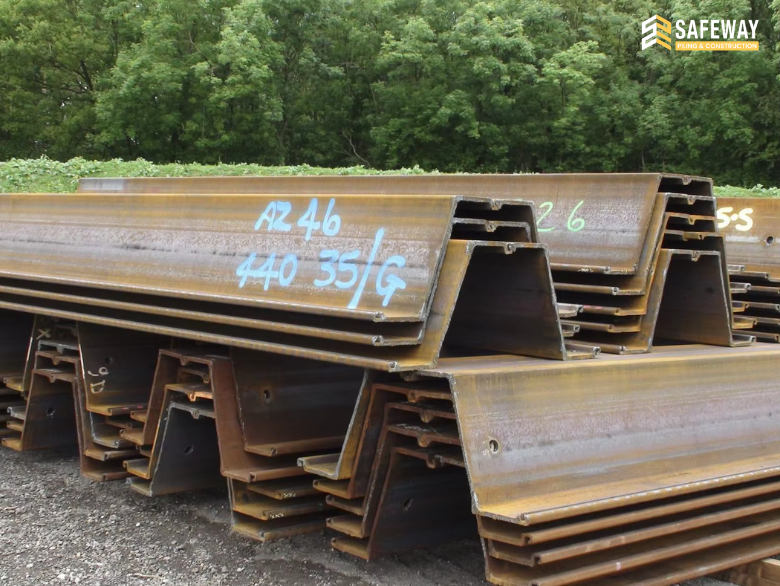
Best Practices for Successful Deep Excavation Projects
Following best practices improves construction quality, project safety, and long-term performance.
- Perform a Detailed Site Investigation: Study the soil condition, groundwater level, and surrounding environment before construction begins.
- Choose the Right Sheet Pile: Select the correct sheet pile based on excavation depth, soil type, and project requirements.
- Use Modern Equipment: Modern installation equipment improves accuracy, efficiency, and construction quality.
- Monitor Installation Regularly: Continuous inspections help identify problems early and ensure the retaining wall meets engineering standards.
- Follow Safety Standards: Apply proper safety procedures throughout the project to protect workers and nearby structures.
Why Choose Safeway Piling & Construction?
Safeway Piling & Construction provides professional sheet pile for deep excavation solutions for residential, commercial, industrial, and infrastructure projects. We use high-quality steel sheet piles, modern equipment, and experienced engineers to deliver safe and reliable construction services.
Why clients choose us
- High-quality steel sheet piles
- Experienced engineering team
- Modern installation equipment
- Professional project planning
- Competitive pricing
- On-time project delivery
- Reliable customer support
- Safe construction practices
Contact Safeway Piling & Construction
Looking for a professional sheet pile for deep excavation services? Contact Safeway Piling & Construction for expert advice and dependable sheet pile solutions.
Phone: +880 1711-869459
Website: https://safewaypiling.com
Conclusion
Sheet pile for deep excavation is one of the most reliable solutions for supporting soil, controlling groundwater, and protecting nearby structures during deep construction work. Selecting the right sheet pile system, using suitable installation methods, and following proper safety practices help ensure successful project completion.
Safeway Piling & Construction provides expert sheet pile solutions supported by experienced engineers, modern equipment, and high-quality materials. We are committed to delivering safe, efficient, and cost-effective services for projects across Bangladesh.
Frequently Asked Questions
- What is a sheet pile for deep excavation?
A sheet pile for deep excavation is an interlocking retaining system used to support soil and control groundwater during deep excavation projects.
- Where are sheet piles for deep excavation commonly used?
They are commonly used for basement construction, bridge foundations, tunnels, underground parking, retaining walls, marine structures, and industrial projects.
- What are the benefits of using sheet piles for deep excavation?
Sheet piles improve excavation safety, prevent soil collapse, control groundwater, protect nearby structures, and help complete projects more efficiently.
- Which equipment is used for sheet pile installation?
Common equipment includes vibratory hammers, hydraulic hammers, hydraulic press-in machines, cranes, and excavators.