
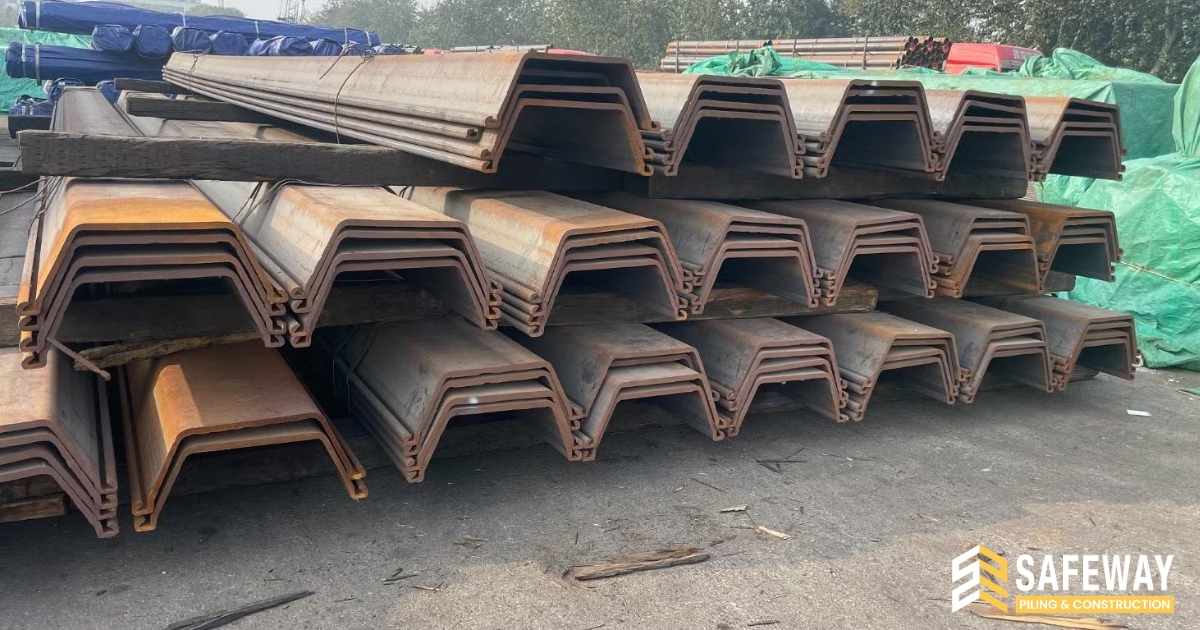
What is the sheet pile installation method, and why is it important in construction projects?
The sheet pile installation method refers to the process of driving interlocking steel, vinyl, or concrete sheets into the ground to create a continuous barrier. These barriers are often used in construction projects for retaining walls, flood protection, excavation support, and marine structures such as seawalls or cofferdams. The interlocking design of sheet piles provides strength and stability, making them essential for projects that require soil retention or water resistance.
The importance of sheet pile installation in construction lies in its ability to control soil movement, prevent water seepage, and provide a safe environment for excavation. Without proper sheet piling, construction sites could face collapses, flooding, or unstable working conditions, which may lead to costly delays and safety hazards.
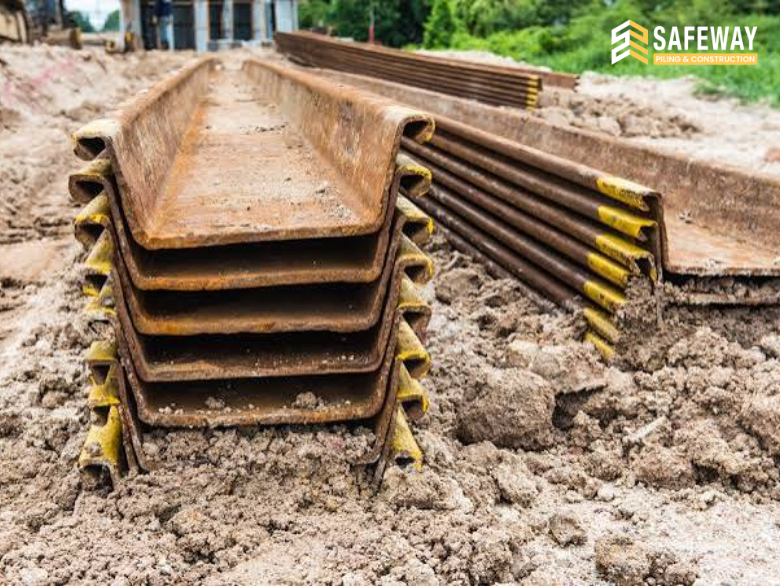
What are the different methods of sheet pile installation?
There are several methods used to install sheet piles, and the choice often depends on soil conditions, project requirements, and available equipment:
- Vibratory Hammer Method: This is the most widely used installation method. A vibratory hammer creates vibrations that reduce soil resistance, allowing the steel sheet pile to move smoothly into the ground. It is fast and efficient, especially in sandy and loose soils.
- Impact Driving Method: This method uses a hydraulic or diesel hammer to repeatedly strike the top of the steel sheet pile until it reaches the required depth. It is suitable for hard and dense soil conditions.
- Press-in Method: Also known as the silent piling method, this technique uses hydraulic press-in machines to push steel sheet piles into the ground with very little noise and vibration. It is ideal for construction projects in urban and residential areas.
- Water Jetting Method: High-pressure water is directed around the tip of the steel sheet pile to loosen the surrounding soil. This reduces driving resistance and makes installation easier in suitable soil conditions.
- Combination Method: Some projects require a combination of installation techniques, such as vibratory driving, press-in methods, and water jetting. Using multiple methods helps achieve better efficiency and ensures successful installation in challenging ground conditions.
Each method has its own advantages depending on soil type and project conditions. Safeway Piling and Construction selects the most suitable method to achieve efficient and cost-effective results.
What are the advantages of sheet pile installation methods?
Sheet pile installation methods provide several benefits, including:
- Flexibility: Steel sheet piles are suitable for both temporary and permanent structures. They can be used in a wide range of construction applications.
- Reusability: Steel sheet piles can be removed after project completion and reused on other projects. This helps reduce material costs and improves overall project value.
- Fast Installation: Steel sheet piles can be installed much faster than traditional concrete retaining walls. Faster installation helps reduce construction time and keeps projects on schedule.
- High Strength and Durability: Steel sheet piles provide excellent structural strength and long-term stability. They perform well under heavy soil pressure and in challenging ground conditions.
- Environmental Benefits: Modern installation methods, such as hydraulic press-in machines and vibratory hammers, reduce noise and vibration. This makes steel sheet pile installation more suitable for urban areas and environmentally sensitive locations.
These advantages make sheet piling a practical and cost-effective solution for modern construction projects
What Equipment is Commonly Used in Sheet Pile Installation?
The installation process requires specialized equipment depending on the chosen method. Common equipment includes:
- Vibratory Hammers: Used for fast and efficient installation by reducing soil resistance through vibration.
- Impact Hammers: Provide a strong driving force for installing sheet piles in hard or dense soil conditions.
- Hydraulic Press-in Machines: Push sheet piles into the ground quietly with minimal vibration, making them ideal for urban and noise-sensitive areas.
- Excavators and Cranes: Lift, position, and handle steel sheet piles safely during the installation process.
- Water Jetting Systems: Use high-pressure water to loosen the soil around the pile tip, making installation easier in suitable ground conditions.
The choice of equipment is critical to achieving accuracy, efficiency, and safety during installation. Safeway Piling and Construction uses modern and well-maintained equipment to guarantee high-quality results.
How Long Does a Typical Sheet Pile Installation Project Take to Complete?
The duration of a sheet pile installation project depends on several factors, including site conditions, the method used, and the project scale. In general:
- Small-scale projects (such as trench support) may take only a few days.
- Medium-sized projects (such as retaining walls or cofferdams) typically take a few weeks.
- Large marine or infrastructure projects may extend over several months.
Efficiency also depends on soil type—soft soils allow faster installation, while dense or rocky soils take longer. Proper planning and equipment selection can significantly reduce the timeline. Safeway Piling and Construction focuses on timely project delivery without compromising safety or quality.
How Does the Vibratory Hammer Method Work in Sheet Pile Installation?
The vibratory hammer method ranks among the most widely used techniques, with operators clamping the hammer directly onto the top of the sheet pile. The hammer generates vertical vibrations that reduce the friction between the pile and the surrounding soil. As a result, the sheet pile penetrates the ground more easily under its own weight and the force of the hammer.
This method is highly efficient, especially in sandy or loose soil conditions, and can install sheet piles quickly with relatively low noise compared to impact hammers. However, in very hard soils or rock layers, vibratory hammers may not be effective, requiring alternative methods.
Which Sheet Pile Installation Method is Best for Sandy Soil Conditions?
Sandy soils are relatively loose and have lower resistance compared to clay or rocky soils. For this reason, the vibratory hammer method is often considered the best choice for sheet pile installation in sandy conditions. A vibratory hammer produces vertical vibrations that reduce soil friction, allowing sheet piles to penetrate the ground quickly and efficiently.
Another suitable option is water jetting, where pressurized water is directed at the pile tip to loosen the surrounding sand. This method reduces driving resistance and helps in achieving the desired depth more easily. Contractors prefer the vibratory hammer method for sandy soil projects because it drives piles quickly, works efficiently, and handles large volumes with ease.
What are the safety considerations during sheet pile installation?
Safety is a critical aspect of sheet pile installation because the process involves heavy machinery, high forces, and deep excavations. Key safety considerations include the following:
- Wear Personal Protective Equipment (PPE): Always use helmets, gloves, boots, hearing protection, and reflective vests on-site.
- Inspect Equipment Regularly: Check vibratory hammers, cranes, and hydraulic presses before use to prevent mechanical failures.
- Prepare the Work Area: Clear and level the ground to prevent slips, trips, and collapses.
- Handle Lifting Safely: Use cranes and lifting slings correctly when moving heavy, long sheet piles to avoid accidents.
- Stay Safe in Excavations: Keep workers out of unsupported excavation zones until sheet piles are fully installed.
- Train and Communicate Clearly: Provide proper training and maintain constant communication to ensure safe handling procedures.
By adhering to these safety measures, contractors can minimize risks and ensure smooth project execution. Safeway Piling and Construction follows strict safety standards to protect workers, equipment, and surrounding structures.
Ways to minimize noise and vibration during piling
Noise and vibration are common concerns in sheet pile installation, especially in urban or residential areas. Several methods can help reduce these impacts:
- Silent Press-in Method: This technique uses hydraulic jacks to push sheet piles into the ground without producing significant noise or vibration.
- Use Vibratory Hammers with Resonance Control: Operate modern vibratory hammers that minimize disruptive frequencies and reduce vibration.
- Apply Pre-augering Techniques: Drill holes in advance to lower soil resistance, making it easier to insert piles with less force and noise.
- Cushioning Materials: Placing wooden or synthetic pads between hammers and sheet piles helps absorb noise.
- Work Scheduling: Limiting noisy operations to daytime hours reduces community disturbance.
Implementing these techniques ensures compliance with environmental regulations and maintains good relations with nearby communities.
Techniques for keeping sheet piles properly aligned
Proper alignment is essential for the structural integrity of sheet pile walls. Misaligned piles can cause gaps, instability, and leakage. To maintain alignment:
- Guide Frames or Templates: Steel or wooden frames are used at the top and bottom to guide sheet piles into position.
- Regular Surveys: Laser levels, plumb lines, or GPS-based instruments monitor vertical and horizontal alignment.
- Sequential Installation: Installing piles in a planned sequence prevents tilting and misalignment.
- Skilled Operators: Experienced machine operators ensure the piles follow the intended line and depth.
Maintaining correct alignment not only improves wall performance but also reduces costly rework and delays. Safeway Piling and Construction uses advanced alignment techniques to maintain structural accuracy.
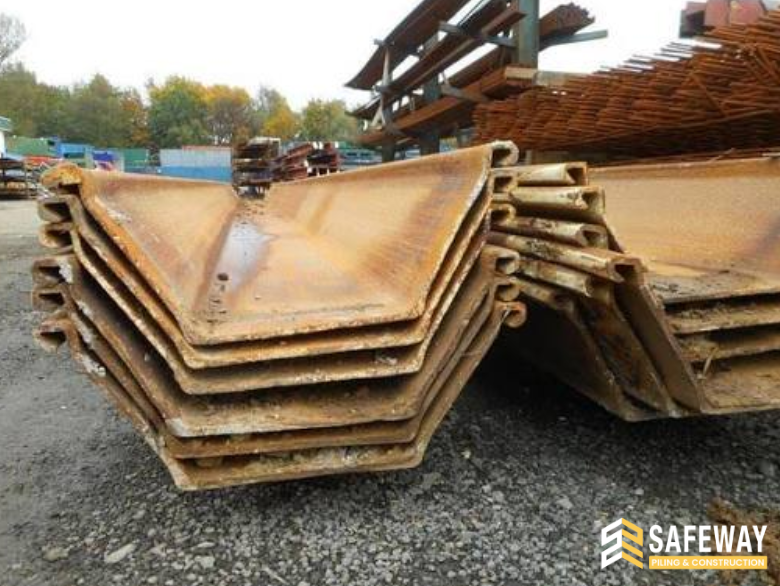
How do installation techniques affect the strength and durability of retaining walls?
The choice of installation method has a direct impact on the strength, durability, and performance of sheet pile retaining walls.
- Vibratory Hammer Method: Ideal for sandy soils, this method ensures deep penetration and solid interlocking, resulting in strong walls.
- Impact Driving: Effective in hard soils, but excessive force can damage sheet piles if not controlled, reducing durability.
- Press-in Method: Provides precise installation with minimal vibration, making walls more stable in sensitive urban areas.
- Water Jetting: Effective in sandy soils, but may loosen the surrounding ground excessively, requiring careful control to maintain stability.
If the method is not suitable for the soil condition, issues such as bending, misalignment, or leakage may occur, weakening the wall over time. Conversely, selecting the right method ensures proper embedment, reduces lateral soil pressure, and enhances long-term durability.
Conclusion
The sheet pile installation method plays a vital role in ensuring stability, safety, and efficiency in modern construction projects. From supporting deep excavations to providing durable retaining walls and waterfront structures, the right installation technique makes all the difference.
At Safeway Piling and Construction, we combine industry expertise, advanced equipment, and proven methodologies to deliver reliable sheet pile solutions tailored to each project’s unique soil and site conditions. By prioritizing safety, precision, and long-term performance, Safeway ensures that every sheet pile installation not only meets structural requirements but also stands as a cost-effective and sustainable choice for our clients.
Contact Safeway Piling and Construction for Professional Sheet Pile Installation Services
If you are looking for reliable sheet pile installation services, Safeway Piling and Construction is ready to support your project. Our experienced team provides professional sheet pile installation using modern equipment and proven construction methods. We work on residential, commercial, industrial, marine, and infrastructure projects while maintaining high standards of safety and quality.
Whether your project requires excavation support, retaining walls, cofferdams, or waterfront structures, we can recommend the most suitable installation method based on your soil conditions and project requirements.
Visit Safeway Piling and Construction to learn more about our services or contact our team to discuss your project and request a free quotation.
Frequently Asked Questions (FAQs)
1. What is Steel Sheet Pile Excavation Support?
Steel sheet pile excavation support is a construction method that uses interlocking steel sheet piles to hold back soil and control groundwater during excavation. It creates a safe and stable work area for foundation and underground construction.
2. Why is steel sheet pile excavation support important?
Steel sheet pile excavation support helps prevent soil collapse, protects nearby buildings, controls groundwater, and improves worker safety. It also helps construction projects finish on time and reduces unexpected risks.
3. Where is steel sheet pile excavation support commonly used?
It is widely used for basement construction, bridge foundations, commercial buildings, industrial facilities, riverbank protection, marine structures, cofferdams, ports, and underground utility projects.
4. What are the benefits of steel sheet pile excavation support?
Steel sheet pile excavation support offers strong soil retention, faster installation, improved site safety, groundwater control, a long service life, and cost-effective construction for temporary and permanent projects.
5. Which installation method is best for steel sheet pile excavation support?
The best installation method depends on the soil condition and project requirements. Common methods include vibratory hammer installation, impact driving, hydraulic press-in systems, and water jetting. Engineers select the most suitable method after evaluating the project site