
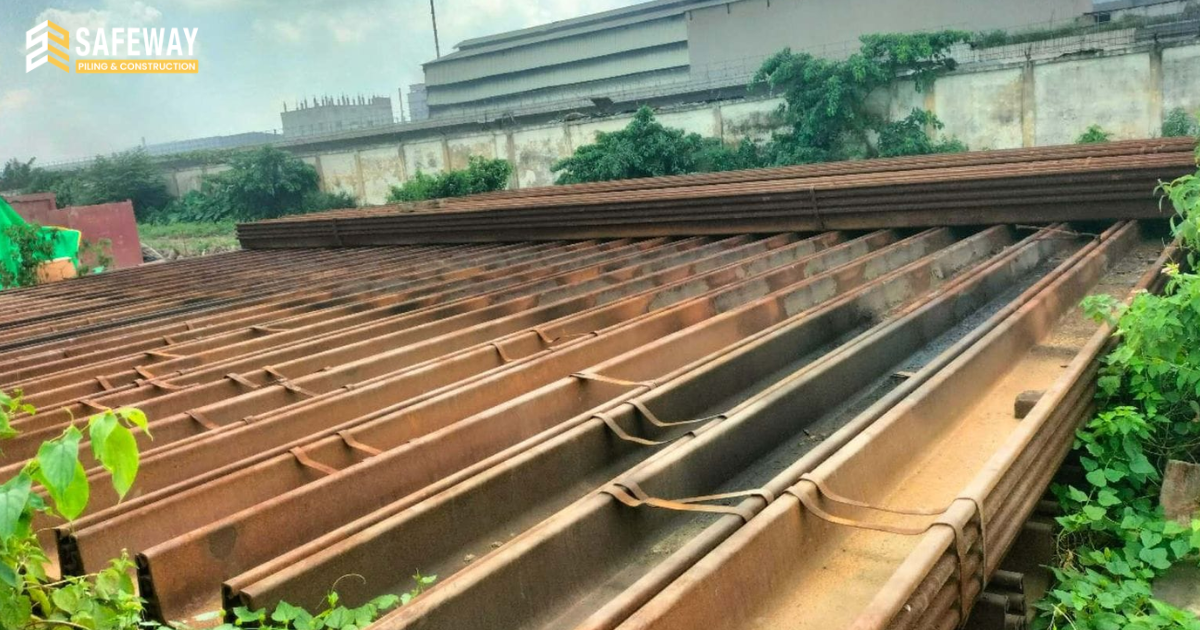
Sheet pile rental cost is an important thing to consider when contractors need sheet piles for a short time. Renting sheet piles helps them avoid the high cost of buying steel piles.
The rental cost can be different for each project. It depends on the size and number of sheet piles, rental time, transportation, and project needs. Installation and removal can also increase the total cost. A small excavation project may need fewer sheet piles, while a large basement project may need more. Understanding these costs helps contractors plan their budget and avoid extra expenses. Safeway Piling explains the main factors that affect sheet pile rental costs and how contractors can manage their project expenses.
What Is Sheet Pile Rental?
Sheet pile rental means using steel sheet piles for an agreed period without purchasing them permanently. The contractor receives the required piles, uses them for the construction work, and returns them after completing the project. This arrangement is common in temporary excavation support, basement construction, foundation work, cofferdams, and riverbank protection. For example, a contractor may need sheet piles to support the sides of an excavation while building an underground structure. Once the structure is completed and the surrounding ground is properly supported, the temporary sheet pile wall may be removed. Renting is useful in this situation because the contractor does not need to keep the materials after the work is finished. Rental agreements can cover different materials and services. Some arrangements include only the sheet piles, while others may involve transportation, installation, or extraction. Contractors should understand the full agreement before calculating the project budget.
Why Do Contractors Rent Sheet Piles?
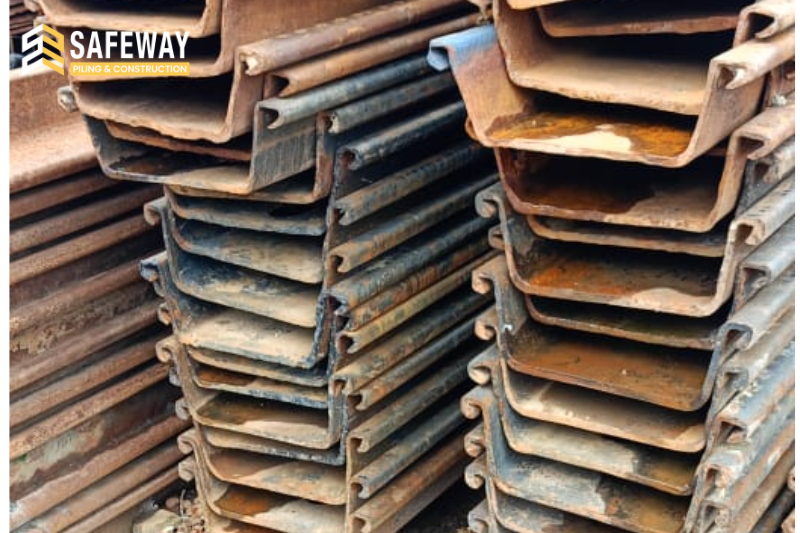
Renting sheet piles is a practical option when materials are required for a limited period. Purchasing steel sheet piles requires a large initial investment, and contractors may not need them regularly after completing a particular project. Rental also makes it easier to arrange materials according to the project size. Contractors can estimate the required quantity and rental period based on the excavation design. They can then return the materials when the temporary support work is no longer needed. Another benefit is reduced responsibility for long-term storage. Purchased sheet piles need proper storage and maintenance between projects. Rental allows contractors to avoid keeping unused materials for long periods. However, the condition of the rented piles and the return requirements must be checked carefully.
Main Factors That Affect Sheet Pile Rental Cost
The rental price depends on the materials required and the conditions of the construction project. The following factors have a direct effect on the total expense.
- Sheet Pile Size and Length: The dimensions and weight of sheet piles affect their rental price. Longer and heavier piles generally require more steel material and careful handling. The required length depends on excavation depth, soil conditions, groundwater level, and the engineering design.
- Quantity of Sheet Piles: The number of piles required for the project affects the total rental amount. A long retaining wall needs more sheet piles than a small excavation. Contractors should calculate the required quantity based on the wall layout and selected pile profile.
- Rental Duration: The length of the rental period is one of the main cost factors. A project that needs sheet piles for one month may have a lower total rental expense than a project that keeps them for several months. Delays in excavation, foundation work, or construction can increase the rental period.
- Sheet Pile Type and Profile: Steel sheet piles are available in different profiles and dimensions. Each type has different weight and structural characteristics. The selected profile should match the project design because the material type can affect the rental rate.
- Project Location: The distance between the sheet pile storage location and the construction site affects transportation expenses. Remote locations, narrow access roads, and difficult site conditions can increase delivery and collection costs.
- Soil Conditions: Soil type affects the installation method and equipment requirements. Dense sand, stiff clay, gravel, and mixed soil can create different levels of resistance during pile driving. Difficult ground conditions may require additional equipment or installation time, increasing the overall project expense.
- Installation Method: Sheet piles can be installed using vibratory hammers, impact hammers, or press-in systems. The suitable method depends on the soil, pile specifications, surrounding structures, and project requirements. Each method has different equipment and operating costs.
- Extraction Requirements: Temporary sheet piles usually need to be removed after the construction work is completed. Extraction requires suitable equipment, operators, and working time. These expenses should be included when calculating the total rental budget.
- Condition of Sheet Piles: The condition of rented materials can affect the rental agreement. Bent, damaged, or heavily worn piles may require inspection or repair. Contractors should inspect the materials before accepting them and understand the damage policy.
- Site Accessibility: The available working space and site access can affect material delivery and installation. Narrow roads, overhead restrictions, nearby buildings, and limited crane access may require special handling arrangements and increase project expenses.
Additional Expenses Beyond Sheet Pile Rental
The rental price does not always represent the complete cost of using sheet piles. Contractors may need to pay for several other activities during the project. These expenses should be included in the budget before work begins.
- Transportation: Sheet piles are long and heavy materials that require suitable vehicles for delivery and collection. Transportation expenses depend on the distance, quantity, pile length, and loading arrangements.
- Loading and Unloading: Cranes or other lifting equipment may be required to move sheet piles safely. The cost depends on the equipment used, working hours, and site conditions.
- Installation Equipment: Vibratory hammers, impact hammers, or press-in machines may be needed to install the piles. Equipment rental, operation, and maintenance expenses should be considered separately when they are not included in the rental package.
- Installation Labour: Skilled operators and construction workers are required to position, align, and install sheet piles. Labour expenses depend on the project size, installation method, and time needed to complete the work.
- Extraction Expenses: Removing sheet piles requires suitable equipment and experienced operators. The extraction process may take additional time if the piles have been installed in dense soil or have become difficult to remove.
- Repair and Damage Charges: Rental agreements may include conditions for damaged or missing materials. Contractors should understand their responsibilities if sheet piles become bent or damaged during transportation, installation, or extraction.
- Storage and Handling: Sometimes construction delays prevent the immediate return of rented sheet piles. Additional storage or handling charges may apply depending on the agreement and material arrangement.
How Rental Duration Affects Project Expenses
Rental duration has a direct effect on the total amount contractors pay. Most rental agreements specify a fixed period, such as a week or a month. If the construction work continues beyond that period, additional rental charges may apply. Consider a basement construction project where sheet piles are required to support the excavation. The contractor may initially plan to keep the piles for two months. However, heavy rainfall, groundwater problems, delayed concrete work, or changes in the construction schedule may extend the project. The sheet piles then remain at the site for a longer period, increasing the rental expense. A realistic construction schedule helps control this cost. Contractors should consider the time needed for installation, excavation, foundation work, and extraction before confirming the rental period. They should also check the extension policy so that additional charges do not come as a surprise.
How to Estimate Sheet Pile Rental Cost
A proper estimate starts with the project design. Contractors need to understand the excavation dimensions, required wall arrangement, sheet pile specifications, and expected construction period. These details help determine how many piles are needed and how long they will remain in use.
- Check Excavation Dimensions: Review the length, width, and depth of the excavation. These measurements help engineers determine the sheet pile wall arrangement and required pile length.
- Calculate the Required Quantity: Estimate the number of piles according to the wall length and selected pile width. The final quantity should follow the approved engineering design.
- Confirm Sheet Pile Specifications: Identify the required profile, length, thickness, and weight. These specifications help the rental provider calculate the material cost.
- Estimate the Rental Period: Include the time required for installation, excavation, construction, and extraction. A realistic schedule reduces the risk of unexpected rental extensions.
- Calculate Transportation Expenses: Check the delivery and collection distance, vehicle requirements, and loading arrangements. Include both delivery and return transportation in the estimate.
- Include Installation and Extraction: Consider the cost of machinery, operators, labour, and equipment operation. These expenses can form a significant part of the total project budget.
- Review the Rental Agreement: Check the rental rate, payment schedule, extension charges, damage policy, and return conditions. Confirm which services are included and which require separate payment.
Ways to Reduce Sheet Pile Rental Expenses
Good planning can help contractors control rental expenses without compromising the safety or quality of construction work. The main goal is to avoid unnecessary rental time, incorrect material selection, and poor equipment arrangements.
- Prepare a Realistic Schedule: Coordinate excavation, foundation construction, and sheet pile extraction properly. A well-planned schedule helps prevent unnecessary rental extensions.
- Select Suitable Sheet Piles: Choose the pile profile and dimensions according to the engineering design. Incorrect or oversized materials can increase rental and handling expenses.
- Calculate the Quantity Carefully: Estimate the required number of piles before placing the rental order. Proper calculation reduces unnecessary material and transportation costs.
- Compare Rental Terms: Check the rental period, extension charges, included services, and damage conditions. A lower rental rate may not always result in a lower total project expense.
- Plan Transportation: Arrange delivery and collection according to the project schedule. Suitable vehicles and proper loading arrangements can help reduce transportation costs.
- Handle Materials Carefully: Avoid damaging sheet piles during loading, installation, extraction, and storage. Proper handling helps prevent repair expenses and problems when returning the materials.
- Arrange Equipment in Advance: Confirm the availability of the required installation and extraction equipment. This reduces waiting time and helps avoid unnecessary equipment rental charges.
Sheet Pile Rental vs Buying: Which Is Better?
The choice between renting and buying depends on how often sheet piles are needed and how long the contractor plans to use them. Both options have different financial benefits.
Sheet Pile Rental: Renting is generally suitable for short-term projects or contractors who need sheet piles occasionally. It reduces the initial investment and removes the need for permanent storage. However, the total rental expense can become high if the materials are required for a long period.
Sheet Pile Buying: Purchasing sheet piles may be suitable for contractors who handle piling and excavation projects regularly. Ownership provides access to the materials whenever needed, but it requires a higher initial investment. The contractor must also manage storage, maintenance, transportation, and material condition.
For a single temporary project, renting may be the more practical choice. For frequent projects over several years, purchasing may provide better long-term value. Contractors should compare the complete rental expense with the purchase price and ownership costs before making a decision.
Common Mistakes That Increase Sheet Pile Rental Expenses
Several mistakes can increase project expenses even when the initial rental price seems reasonable. These problems often happen because contractors do not check the full project requirements before arranging the materials.
- Underestimating Rental Time: A short rental estimate can lead to additional charges when construction takes longer than planned. Include installation, excavation, foundation work, and extraction in the schedule.
- Choosing Incorrect Pile Dimensions: Unsuitable pile lengths or profiles can create installation difficulties and may require additional materials. Follow the approved design instead of selecting piles based only on price.
- Ignoring Transportation Costs: Focusing only on the rental rate can result in an incomplete budget. Include delivery, loading, unloading, and return transportation.
- Accepting Damaged Materials: Sheet piles should be inspected before delivery or installation. Recording their condition helps avoid disagreements about damage when the materials are returned.
- Not Checking Agreement Conditions: Unclear rental terms can lead to unexpected expenses. Confirm payment terms, extension charges, damage responsibility, and return requirements before signing the agreement.
Sheet Pile Rental Planning with Safeway Piling
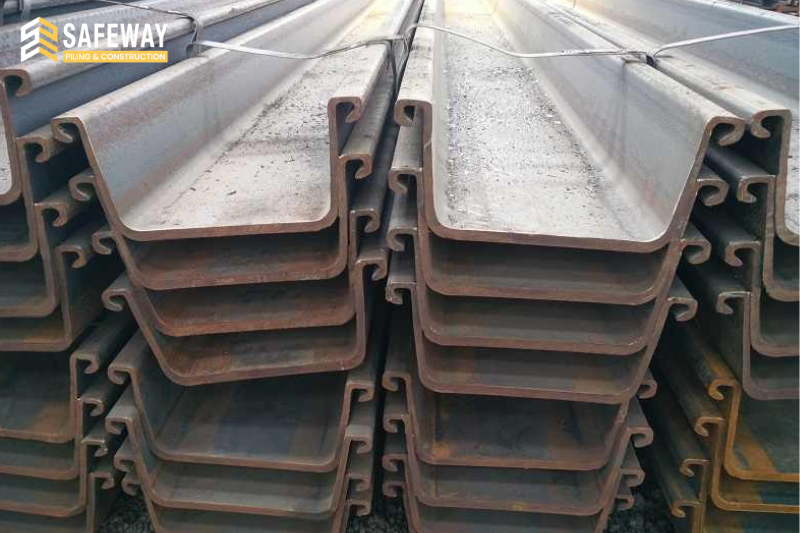
Safeway Piling recognizes the importance of proper planning for sheet pile projects. The required materials and rental period depend on the excavation design, soil conditions, pile dimensions, and installation method. These details should be reviewed before preparing a rental budget.
For basement construction, excavation support, riverbank protection, and foundation projects, contractors need to consider the complete work process. The budget should cover material rental, transportation, installation, and extraction rather than focusing only on the price of the sheet piles.
Safeway Piling & Constructions encourages contractors to review their project requirements and rental conditions carefully. Proper planning helps reduce unnecessary expenses and keeps sheet pile work organized throughout the construction period.
Conclusion
Sheet pile rental cost depends on the size and quantity of the piles, rental duration, project location, soil conditions, transportation, and installation requirements. Extraction and material handling can also increase the total expense. Contractors should calculate these costs before arranging the rental instead of considering only the basic material price. A realistic schedule, correct pile selection, careful material handling, and clear rental agreement can help control project expenses. Comparing rental and purchase options is also important when deciding which arrangement provides better value. Safeway Piling encourages proper planning so contractors can manage sheet pile requirements and construction budgets more effectively.
Frequently Asked Questions
- What affects sheet pile rental cost the most?
The main factors are sheet pile size, quantity, rental duration, and transportation. Installation and extraction requirements can also have a significant effect on the total project expense.
- Does sheet pile length affect the rental price?
Yes. Longer and heavier piles may have higher rental rates because they require more material and careful handling. The actual rate depends on the pile profile and rental agreement.
- Is transportation included in sheet pile rental?
Not always. Some rental agreements include delivery, while others charge separately for transportation, loading, and collection. Contractors should confirm these details before placing an order.
- Does the rental cost increase if the project is delayed?
Yes. If the sheet piles remain in use beyond the agreed rental period, additional charges may apply. Contractors should check the extension terms before starting the project.
- Are sheet pile installation and extraction included in the rental price?
These services are not always included. Some agreements cover only the sheet pile materials, while installation and extraction require separate equipment and labour arrangements.
- Is renting sheet piles better than buying?
Renting is generally useful for short-term or occasional projects because it requires less initial investment. Buying may be more suitable for contractors who use sheet piles regularly over a long period.
- How can contractors reduce sheet pile rental expenses?
Contractors can control expenses by selecting the correct pile size, estimating the required quantity, planning the rental period, arranging transportation, and coordinating installation and extraction.