
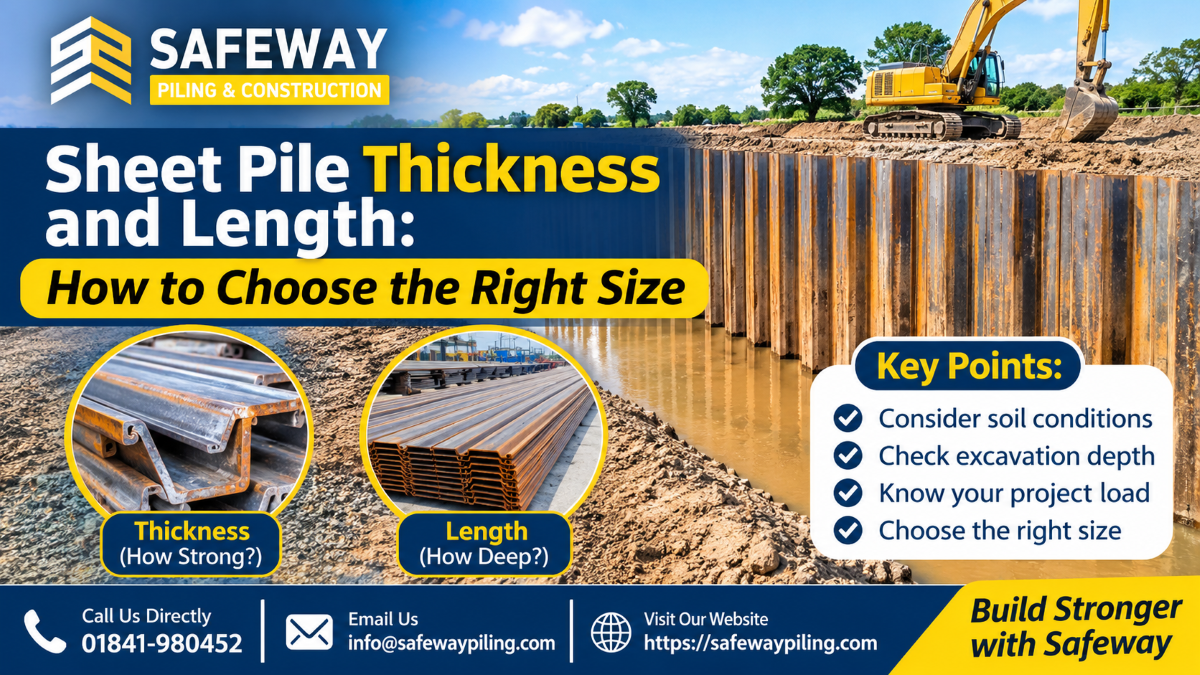
Sheet pile thickness and length are important factors when selecting steel sheet piles for construction and foundation projects. The correct size helps provide proper soil support and maintain wall stability during excavation. Sheet piles are commonly used for basement construction, deep excavation, riverbank protection, cofferdams, and other infrastructure projects. However, every project has different soil conditions, excavation depths, and load requirements. Choosing the wrong thickness or length can create installation problems and affect the performance of the sheet pile wall. Before selecting materials, contractors and engineers should understand how thickness and length affect the strength, stability, and total project cost.
What Is Sheet Pile Thickness and Length?
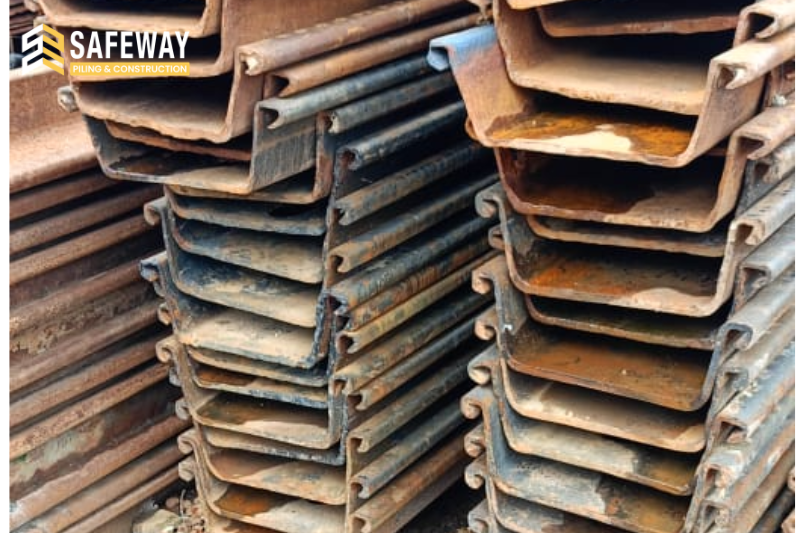
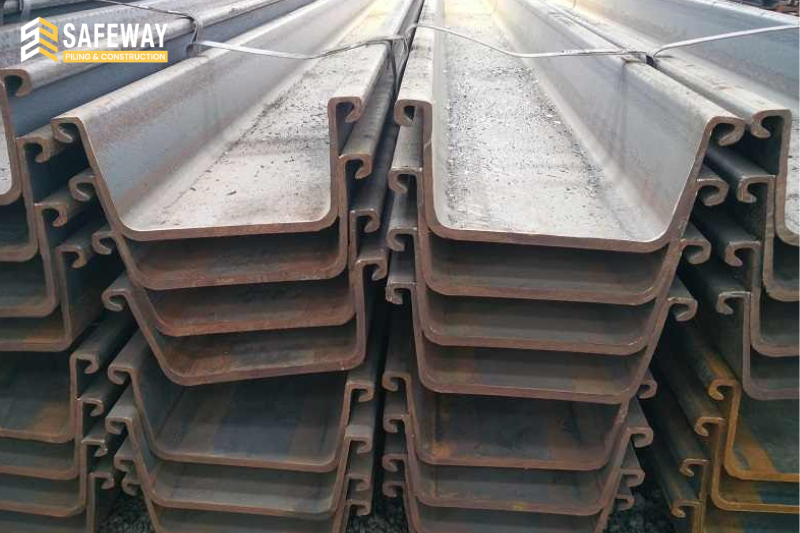
Sheet pile thickness and length refer to two important dimensions of a steel sheet pile. Thickness means how thick the steel section is, while length means the total vertical size of the pile from top to bottom. Thickness affects the strength and stiffness of the sheet pile, while length determines how deep it can extend into the ground. Both dimensions must match the project design and soil conditions. For example, a deep excavation may require longer sheet piles with a suitable thickness to resist soil and water pressure. Engineers select these dimensions by reviewing the site investigation report, excavation depth, and expected loads.
Why Are Sheet Pile Thickness and Length Important?
Choosing the correct sheet pile thickness and length helps improve the performance of a sheet pile wall. These two dimensions affect how the wall handles soil pressure, water pressure, and other loads during construction. If the thickness is too small, the pile may not have enough strength for the expected loading. If the length is not suitable, the pile may not reach the required depth to provide proper support. Correct sizing also helps reduce unnecessary material costs and makes installation planning easier. For this reason, engineers should calculate the required dimensions before purchasing or renting sheet piles.
Important Factors for Choosing Sheet Pile Thickness and Length
Several factors affect the selection of sheet pile dimensions. Engineers should check the following points before finalizing the required size for a project.
- Excavation Depth: Excavation depth is one of the main factors when selecting sheet pile length. A deeper excavation generally needs longer piles because a suitable portion must remain below the excavation level. This embedded portion helps provide resistance against soil pressure and wall movement. Engineers should calculate the required length based on the excavation depth and ground conditions.
- Soil Conditions: Soil type and strength can affect both sheet pile thickness and length. Soft soil, loose sand, and dense soil behave differently under pressure. Engineers review soil investigation reports to understand the ground conditions and select suitable pile dimensions. Proper selection helps improve wall stability during excavation.
- Groundwater Level: Groundwater creates additional pressure on sheet pile walls, especially when water levels are different on both sides. This pressure must be considered when selecting the required pile section and length. In areas with high groundwater, engineers may also need to consider seepage control and drainage arrangements.
- Load and Pressure: Soil pressure, nearby buildings, vehicles, and construction equipment can create additional loads on the wall. These loads may increase the strength requirements of the sheet piles. Engineers calculate the expected pressure before choosing the thickness and section type. A suitable design helps the wall handle these loads safely.
- Sheet Pile Type: Different sheet pile types have different shapes, dimensions, and structural properties. U-type and Z-type sheet piles may have different thickness options and section strengths. Engineers select the type according to the project design and required wall performance. The thickness should always be checked with the manufacturer’s specifications.
- Nearby Structures: Buildings, roads, pipelines, and underground utilities near the excavation area can affect sheet pile selection. Wall movement may create problems for surrounding structures. Engineers should review these conditions and choose suitable pile dimensions and support arrangements to control movement.
- Installation Method: The installation method can also affect sheet pile selection. Vibratory hammers, impact hammers, and press-in systems have different equipment and site requirements. The selected pile should be suitable for the installation method and ground conditions. Proper planning helps reduce installation difficulties and material damage.
How to Choose the Right Sheet Pile Thickness
Sheet pile thickness should be selected according to the expected pressure, wall height, soil strength, and project design. Thicker sheet piles generally contain more steel and may provide greater structural capacity, but the required thickness must be confirmed through engineering calculations. Using a thicker pile than necessary can increase material and transportation costs, while using a pile that is too thin may create structural problems. Engineers usually check bending strength, section modulus, steel grade, and other design requirements before selecting the final thickness. Contractors should not choose thickness based only on appearance or price. They should follow the approved design and confirm that the selected sheet pile section meets the project requirements.
How to Choose the Right Sheet Pile Length
The correct sheet pile length depends mainly on excavation depth and the required embedment below the excavation level. The pile must extend deep enough into the ground to provide the resistance needed for wall stability. For example, if an excavation requires a wall height of 5 meters, the sheet pile may need to be longer than 5 meters because part of it must remain below the excavation level. However, the additional depth cannot be selected using a fixed rule for every project. Soil strength, groundwater conditions, wall arrangement, and loading must be considered during calculation. Engineers determine the final length through proper design calculations so that the wall can perform according to project requirements.
Common Sheet Pile Thickness and Length Options
Steel sheet piles are available in different thicknesses and lengths to meet different construction needs. The available dimensions depend on the manufacturer, section type, steel grade, and supplier stock. Some projects require shorter piles for shallow excavation, while deeper construction work may need longer sections. Similarly, thicker sections may be selected when the design requires greater strength and stiffness. Contractors should check the manufacturer’s catalogue for actual dimensions, unit weight, and section properties before placing an order. The final selection should always follow the approved engineering design rather than using a general size for every project.
Benefits of Choosing the Right Sheet Pile Size
Selecting the correct Sheet Pile Thickness and Length provides several benefits during construction. It helps engineers and contractors plan materials, equipment, and installation work more effectively.
- Better Wall Stability: Correct thickness and length help the sheet pile wall resist the expected soil and water pressure. Proper embedment provides ground resistance, while suitable thickness helps the pile handle bending forces. This supports better wall performance during excavation.
- Improved Construction Safety: Properly selected sheet piles help reduce the risk of excessive wall movement and structural problems. They also support better control of excavation areas near existing buildings and roads. However, safety still depends on proper design, installation, and site monitoring.
- Reduced Material Waste: Selecting the correct dimensions helps avoid buying piles that are unnecessarily large or unsuitable for the project. This can reduce material waste and make purchasing decisions more practical. It also helps contractors plan the required quantity more accurately.
- Better Installation Performance: Suitable pile dimensions make it easier to plan the installation process and select the right equipment. Correct length and section selection can reduce problems during pile driving. Proper interlock connections also help maintain wall alignment.
- Better Cost Management: Choosing the correct sheet pile size helps control material, transportation, and installation expenses. Contractors can prepare a more accurate project budget when the required dimensions are known. It also helps reduce unexpected costs caused by unsuitable materials.
Common Mistakes When Selecting Sheet Pile Thickness and Length
Contractors sometimes select sheet pile dimensions based only on price or available stock. This can create problems when the materials do not match the actual site requirements. Choosing insufficient thickness may affect the structural strength of the wall, while incorrect length may provide inadequate embedment. Ignoring groundwater conditions and nearby structures can also lead to design problems. Another common mistake is selecting piles without checking the manufacturer’s section properties and unit weight. To avoid these issues, contractors should review the project drawings, soil report, and engineering calculations before confirming the order.
Steps to Select the Right Sheet Pile Size
Selecting the correct sheet pile size becomes easier when the project requirements are reviewed step by step. The following process can help contractors and engineers prepare for material selection.
- Step 1: Review the Project Requirements: First, identify the project type, excavation depth, wall height, and required construction area. These details help determine the basic sheet pile requirements. You should also check whether the wall will be temporary or permanent.
- Step 2: Check the Soil Investigation Report: Review the soil layers, soil strength, and groundwater level. These details help engineers understand the pressure acting on the wall. Proper soil information is important for selecting suitable thickness and length.
- Step 3: Calculate the Required Thickness: Engineers should calculate the expected bending moment, wall pressure, and structural strength requirements. They can then select a suitable sheet pile section with the required thickness and properties.
- Step 4: Calculate the Required Length: Determine the excavation depth and calculate the necessary embedment below the excavation level. The final length should consider soil resistance, water conditions, and the wall support system.
- Step 5: Check Available Materials: Compare the required dimensions with the available sheet pile sections and lengths. Review the manufacturer’s specifications, unit weight, and material condition before confirming the selection.
- Step 6: Confirm Before Purchasing: Finally, check the selected size against the approved design and project requirements. Confirm the quantity, delivery needs, and installation method before placing the order.
Sheet Pile Supply and Project Support from Safeway Piling & Construction Ltd.
Safeway Piling & Construction Ltd. provides sheet pile supply and project support for different construction and foundation projects in Bangladesh. We understand that selecting the correct sheet pile thickness and length is important for project planning and proper installation. Our team can help contractors and project owners discuss suitable sheet pile types, sizes, lengths, and material requirements according to their project needs. Whether you need sheet piles for basement construction, deep excavation, riverbank protection, or other foundation work, we are ready to discuss your requirements and provide a project-based quotation. Our goal is to support customers with suitable materials, competitive pricing, and dependable service.
Contact Safeway Piling & Construction Ltd.
Need reliable sheet pile supply or construction support for your project? Contact Safeway Piling & Construction Ltd. to discuss your requirements, get project information, and request a competitive quotation. Our team is ready to assist you with your construction needs.
Call Us Directly At: 01841-980452
Email Us: info@safewaypiling.com
Chat With Our Agent: Visit our website to connect with our team and get assistance.
Website: https://safewaypiling.com/
Conclusion
Sheet pile thickness and length are two important factors when selecting steel sheet piles for construction projects. Thickness affects the structural strength of the pile, while length determines how deep it can extend into the ground. Soil conditions, excavation depth, groundwater level, external loads, and installation methods should all be considered before selecting the correct size. Choosing suitable dimensions helps improve wall stability, reduce material waste, and manage project costs. Contractors should always follow engineering calculations and approved project drawings before purchasing or installing sheet piles. Safeway Piling & Construction Ltd. can help customers discuss their sheet pile requirements and find suitable supply solutions for their projects.
Frequently Asked Questions (FAQs)
- What is Sheet Pile Thickness and Length?
Sheet Pile Thickness and Length refer to the thickness of the steel section and the total vertical length of the sheet pile. Both dimensions affect the strength, stability, and installation requirements of a sheet pile wall.
- How do I choose the right sheet pile thickness?
The thickness should be selected based on soil pressure, excavation depth, expected loads, and structural design calculations. Engineers also check the section modulus and steel properties before making the final selection.
- How do I calculate the required sheet pile length?
The required length depends on the wall height and the embedment depth below the excavation level. Engineers calculate the embedment based on soil conditions, groundwater, and wall stability requirements.
- Does thicker sheet pile always mean better performance?
Not always. A thicker pile may provide greater structural capacity, but the correct selection depends on the design requirements. Using an unnecessarily thick pile can increase material and transportation costs.
- What factors affect sheet pile length?
The main factors include excavation depth, soil strength, groundwater level, wall arrangement, external loads, and required embedment depth.
- Can I use the same sheet pile size for every project?
No. Different projects have different soil conditions, excavation depths, and loading requirements. The sheet pile size should be selected according to the specific engineering design.
- Can Safeway Piling & Construction Ltd. help with sheet pile supply?
Yes. Safeway Piling & Construction Ltd. provides sheet pile supply and project support. You can share your required pile size, length, quantity, and project details to discuss a suitable quotation.