
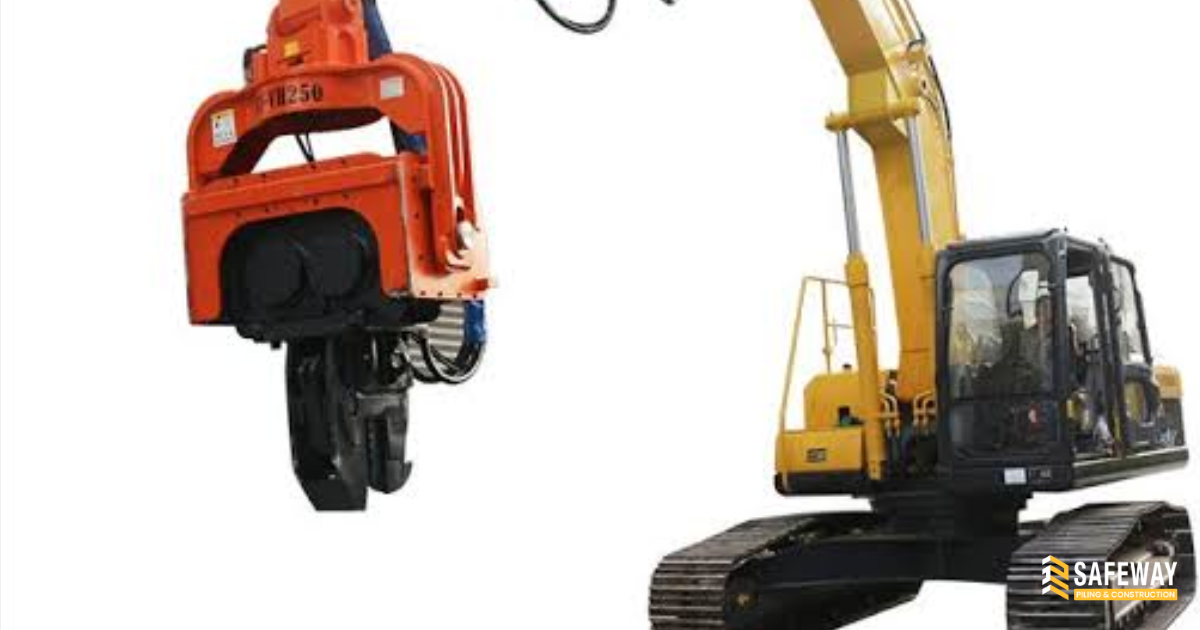
What Is Vibratory Hammer Performance?
Vibratory hammer performance refers to how effectively a vibratory hammer drives or extracts piles from the ground. It depends on factors such as driving force, vibration frequency, amplitude, pile weight, and soil resistance. During operation, the hammer creates vibration through rotating eccentric weights. These vibrations travel through the sheet pile and affect the surrounding soil. In suitable conditions, this reduces friction between the pile and soil, allowing the pile to move downward more easily. However, soil does not respond in the same way everywhere. Loose sand may allow faster penetration, while stiff clay or dense soil can create greater resistance. Therefore, understanding the soil profile is important for achieving good installation results.
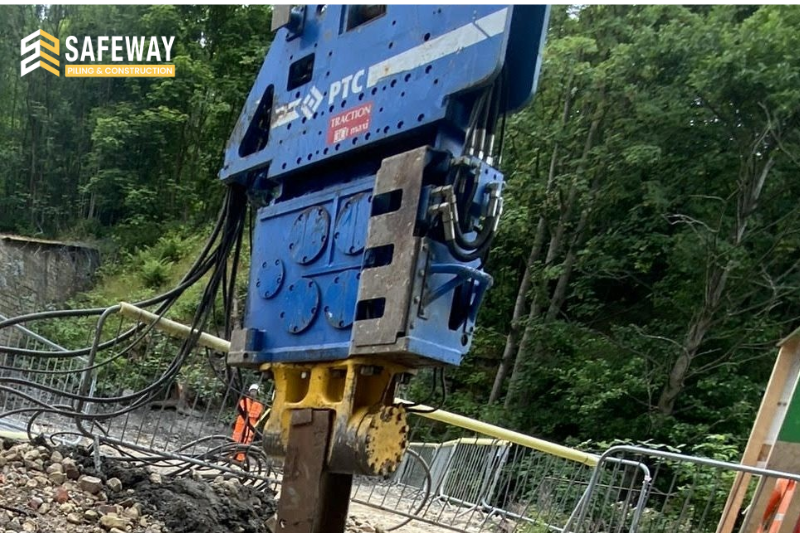
Why Soil Conditions Matter in Vibratory Hammer Performance
Soil creates resistance against the sheet pile as it moves into the ground. The amount of resistance depends on the soil’s strength, density, moisture content, and structure. These conditions affect the energy needed to drive the pile. For example, loose granular soil usually allows easier penetration because vibration can reduce the friction between soil particles and the pile. In contrast, stiff clay may hold the pile more firmly and reduce the effectiveness of vibration. Soil conditions can also change at different depths. A site may have soft soil near the surface and dense sand or hard clay underneath. When the sheet pile reaches a stronger layer, its penetration speed may decrease.
How Different Soil Types Affect Vibratory Hammer Performance
Different soil types create different levels of resistance during sheet pile installation. Engineers should understand these differences before selecting a vibratory hammer.
- Loose Sand: Loose sand generally allows good vibratory hammer performance. The vibration reduces friction between the sand particles and the sheet pile, helping the pile move into the ground with less resistance.
- Dense Sand: Dense sand creates more resistance than loose sand. The hammer may need suitable driving force and amplitude to maintain penetration. Very dense layers can slow down installation and may require another driving method.
- Gravel: Gravel can be suitable for vibratory driving, depending on particle size, density, and the presence of larger stones. Large gravel particles or mixed ground conditions may create uneven resistance and make penetration difficult.
- Soft Clay: Soft clay may allow sheet piles to penetrate under suitable conditions. However, clay behaves differently from sand because it is cohesive and can hold the pile surface. Machine capacity and soil strength should be checked before installation.
- Stiff or Hard Clay: Stiff clay can reduce vibratory hammer efficiency because it creates higher resistance around the pile. The machine may struggle to maintain penetration, and an impact hammer or another suitable method may be required.
- Silty Soil: Silty soil contains fine particles and may behave differently depending on its moisture content and density. Loose, wet silt may allow easier penetration, while compact or firm silty layers can create greater resistance.
- Mixed Soil: Some construction sites contain layers of sand, clay, silt, and gravel. These changes can affect penetration speed at different depths. Engineers should review the soil profile and select equipment based on the most challenging expected layers.
Important Soil Factors That Influence Vibratory Hammer Performance
Apart from the main soil type, several other ground conditions can affect how a vibratory hammer works.
- Soil Density: Dense soil generally creates greater resistance against the sheet pile. Higher resistance may reduce penetration speed and require a suitable hammer capacity.
- Moisture Content: Water content changes the behaviour of soil. Wet granular soil may respond well to vibration, while cohesive soil can behave differently depending on its strength and moisture condition.
- Soil Strength: Strong soil can make pile penetration more difficult. Engineers should check the soil investigation report to understand the expected resistance at different depths.
- Groundwater Level: Groundwater can affect soil behaviour and installation conditions. Saturated granular soil may respond differently to vibration compared with dry or partially saturated soil.
- Underground Obstructions: Old concrete, buried foundations, large stones, and other obstructions can stop or slow down pile penetration. A site investigation can help identify possible obstacles before installation.
- Soil Layers: Different soil layers can create changes in penetration resistance. A sheet pile may move easily through soft soil but slow down when it reaches a dense or stiff layer.
How Soil Conditions Affect Sheet Pile Driving Speed
Driving speed depends on how much resistance the sheet pile faces during installation. When the surrounding soil responds well to vibration, the pile can move downward more quickly. This is one reason vibratory hammers are commonly used in suitable granular soils. In loose sand and some silty soils, the penetration rate can be relatively high. Dense sand, gravel with large particles, and stiff clay may reduce the speed. The length and weight of the pile also affect the driving process. A sudden decrease in penetration speed should not be ignored. It may indicate a change in soil conditions, an underground obstruction, or a mismatch between the hammer capacity and the ground resistance. Engineers should check the reason before continuing.
Signs of Poor Vibratory Hammer Performance
Contractors should monitor the machine and sheet pile during installation. Some signs may indicate that the selected equipment or installation method is not suitable for the ground conditions.
- Slow Pile Penetration: If the sheet pile moves very slowly, the soil may be creating more resistance than expected. Check the soil profile, machine capacity, and pile alignment.
- Sudden Stopping: If the pile stops moving at a certain depth, it may have reached a dense layer or underground obstruction. Do not continue forcing the pile without checking the cause.
- Excessive Vibration: Unusual vibration may indicate an operating problem, soil-related response, or an unsuitable equipment setup. Check the machine and monitor nearby structures.
- Machine Overloading: If the hammer works under excessive load, its performance may decrease and equipment damage may occur. Review the machine specifications and actual site conditions.
- Pile Misalignment: If the sheet pile starts leaning or moving away from the planned line, stop and check its position. Soil resistance and installation technique can both affect alignment.
How to Improve Vibratory Hammer Performance in Different Soil Conditions
Good planning and proper equipment selection can help improve sheet pile installation. Contractors should consider the following steps before and during driving.
- Conduct Soil Investigation: Study the soil report before selecting the hammer. Borehole information and soil testing can help identify weak layers, dense sand, stiff clay, and possible obstructions.
- Select Suitable Equipment: Choose a hammer based on pile dimensions, soil resistance, and required installation depth. The machine must have suitable driving force and vibration characteristics.
- Check Machine Compatibility: Make sure the clamping system, hydraulic power supply, and supporting equipment match the selected hammer. Poor compatibility can reduce performance.
- Maintain Proper Pile Alignment: Position the sheet pile correctly before driving. Proper alignment helps reduce installation problems and keeps the pile within the planned wall line.
- Monitor Driving Progress: Observe penetration speed, machine behaviour, and pile position during installation. Changes in performance may indicate different soil conditions or equipment issues.
- Consider Alternative Methods: If a vibratory hammer cannot drive the pile through a difficult layer, engineers may consider impact driving, pre-augering, or another suitable method after reviewing the site conditions.
Common Problems Caused by Soil Conditions
Soil-related problems can affect the installation schedule and final quality of a sheet pile wall. Identifying these issues early helps contractors take suitable action.
- Driving Refusal: Driving refusal occurs when the sheet pile stops penetrating or makes very little progress. Dense soil, hard layers, or underground obstructions may be responsible.
- Uneven Penetration: Different soil layers may create different levels of resistance along the installation line. This can affect the driving speed and make it harder to maintain consistent pile alignment.
- Pile Deflection: Strong or uneven soil resistance can push the sheet pile away from its intended position. Proper guidance and alignment checks are important during installation.
- Increased Installation Time: Difficult soil conditions can slow down the work and increase equipment operating time. A suitable installation plan can help reduce unexpected delays.
- Excessive Ground Vibration: Soil layers and the interaction between the hammer, pile, and ground can influence vibration levels. Nearby structures should be assessed and monitored where necessary.
Safety Considerations During Vibratory Sheet Pile Driving
Soil conditions can change the behaviour of the machine and sheet pile during installation. Workers should follow proper safety procedures to reduce risks.
- Check Ground Stability: Make sure cranes, excavators, and other supporting equipment are positioned on stable ground. Weak ground can affect equipment stability.
- Inspect Underground Services: Identify underground water pipes, electrical cables, and other utilities before driving sheet piles.
- Monitor Nearby Structures: Check buildings, roads, and other structures close to the installation area. Use suitable vibration monitoring when required by the project.
- Use Trained Operators: Only trained operators should control the vibratory hammer and supporting equipment.
- Stop When Problems Occur: If the pile suddenly stops, the machine behaves unusually, or excessive vibration is noticed, stop the operation and investigate the cause.
- Follow Project Specifications: Carry out installation according to approved engineering drawings, site requirements, and equipment instructions.
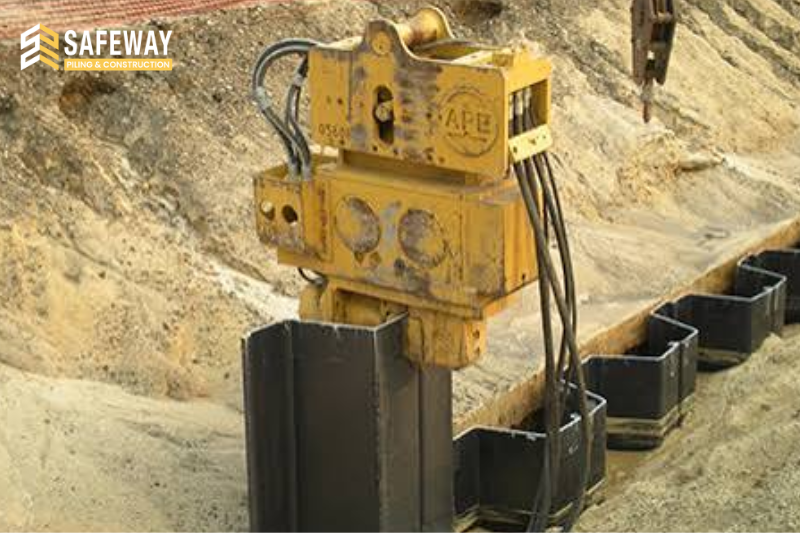
How Safeway Piling Approaches Soil-Related Piling Challenges
Safeway Piling understands that soil conditions are an important part of sheet pile installation planning. Every project has different ground conditions, pile dimensions, and construction requirements. A machine that performs well on one site may not produce the same results on another site. For successful piling work, the soil profile, required installation depth, and nearby structures should be reviewed before selecting the installation method.
Safeway Piling & Constructions recommends matching the equipment and driving method with the actual project conditions and approved engineering specifications. Proper planning, suitable equipment, and regular monitoring can help contractors manage soil-related challenges and maintain better control during sheet pile installation.
Conclusion
Soil conditions have a direct effect on Vibratory Hammer Performance during sheet pile installation. Loose sand and suitable granular soils generally allow easier penetration, while dense sand, stiff clay, and underground obstructions can create greater resistance. Before starting work, contractors should review the soil investigation report, select suitable equipment, and check the pile dimensions and installation depth. Regular monitoring is also important because soil conditions can change at different depths. With proper planning and the right installation method, Safeway Piling aims to support safe and efficient sheet pile projects.
Frequently Asked Questions
- How do soil conditions affect vibratory hammer performance?
Soil conditions affect the resistance around the sheet pile. Loose granular soil generally allows easier penetration, while dense soil and stiff clay can slow down installation.
- Which soil is best for vibratory hammer driving?
Vibratory hammers generally perform well in suitable granular soils such as sand and gravel. However, density, particle size, and groundwater conditions also affect performance.
- Can a vibratory hammer work in clay soil?
Yes, some vibratory hammers can work in clay. However, stiff or hard clay can create high resistance and reduce penetration speed. Another driving method may be needed in difficult conditions.
- Why does a sheet pile stop during vibratory driving?
A sheet pile may stop because it has reached a dense soil layer, hard material, or an underground obstruction. The cause should be checked before continuing installation.
- Does groundwater affect vibratory hammer performance?
Yes. Groundwater changes the behaviour of soil, especially granular soil. Saturated soil may respond differently to vibration compared with dry or partially saturated soil.
- How can contractors improve vibratory hammer performance?
Contractors can improve performance by conducting soil investigations, selecting suitable equipment, checking pile alignment, and monitoring installation progress.
- Is a vibratory hammer suitable for every soil type?
No. Vibratory hammers are effective in many granular soils, but very dense layers, stiff clay, rock, and underground obstructions may require another installation method.